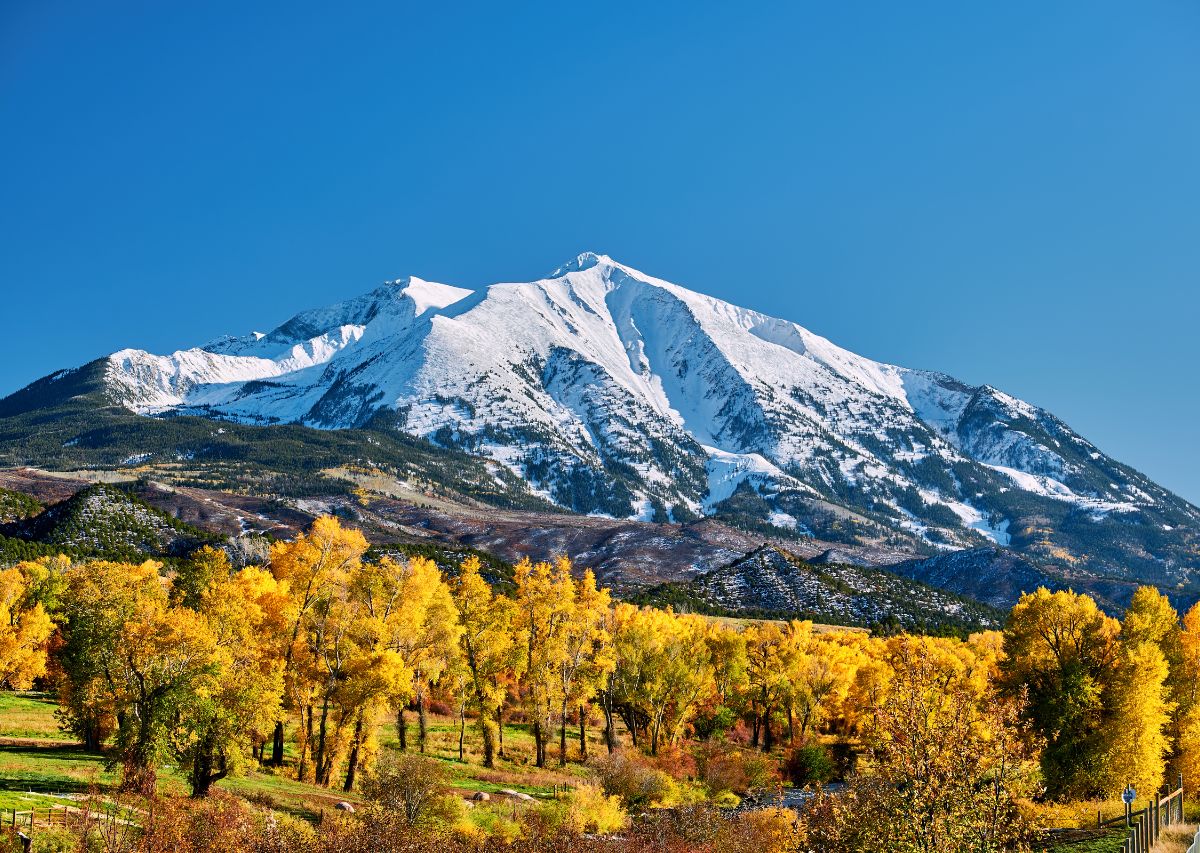
If you are looking for a place where the horizon is dominated by jagged, snow-capped peaks and the air feels crisp and thin, a move to Colorado might be your next great chapter. Colorado is a state defined by its verticality. From the flat, golden grasslands of the Eastern Plains to the 14,000-foot summits of the Rockies, the geography is as varied as the people who live here. As of 2026, the population sits at roughly 5.9 million residents, with the majority clustered along the "Front Range"—a string of cities including Denver, Colorado Springs, and Fort Collins that sit at the base of the mountains.
For many people relocating from New York, working with experienced local movers in Colorado Springs can make the first step of the journey significantly easier by handling packing, loading, and logistics before the long trip west.
The climate is semi-arid, meaning you can expect plenty of sunshine—often cited as 300 days a year—and very low humidity. This dry air makes even the coldest winter days feel manageable and the hottest summer afternoons feel less oppressive. Colorado’s "claim to fame" is undoubtedly its outdoor lifestyle. It is the birthplace of modern American skiing and a haven for hikers, mountain bikers, and craft beer enthusiasts. Whether you are drawn by the booming tech industry in Boulder or the historic charm of a mountain town, relocating here requires a solid plan to handle the altitude and the unique pace of life in the high desert.
Getting There with Professional Help
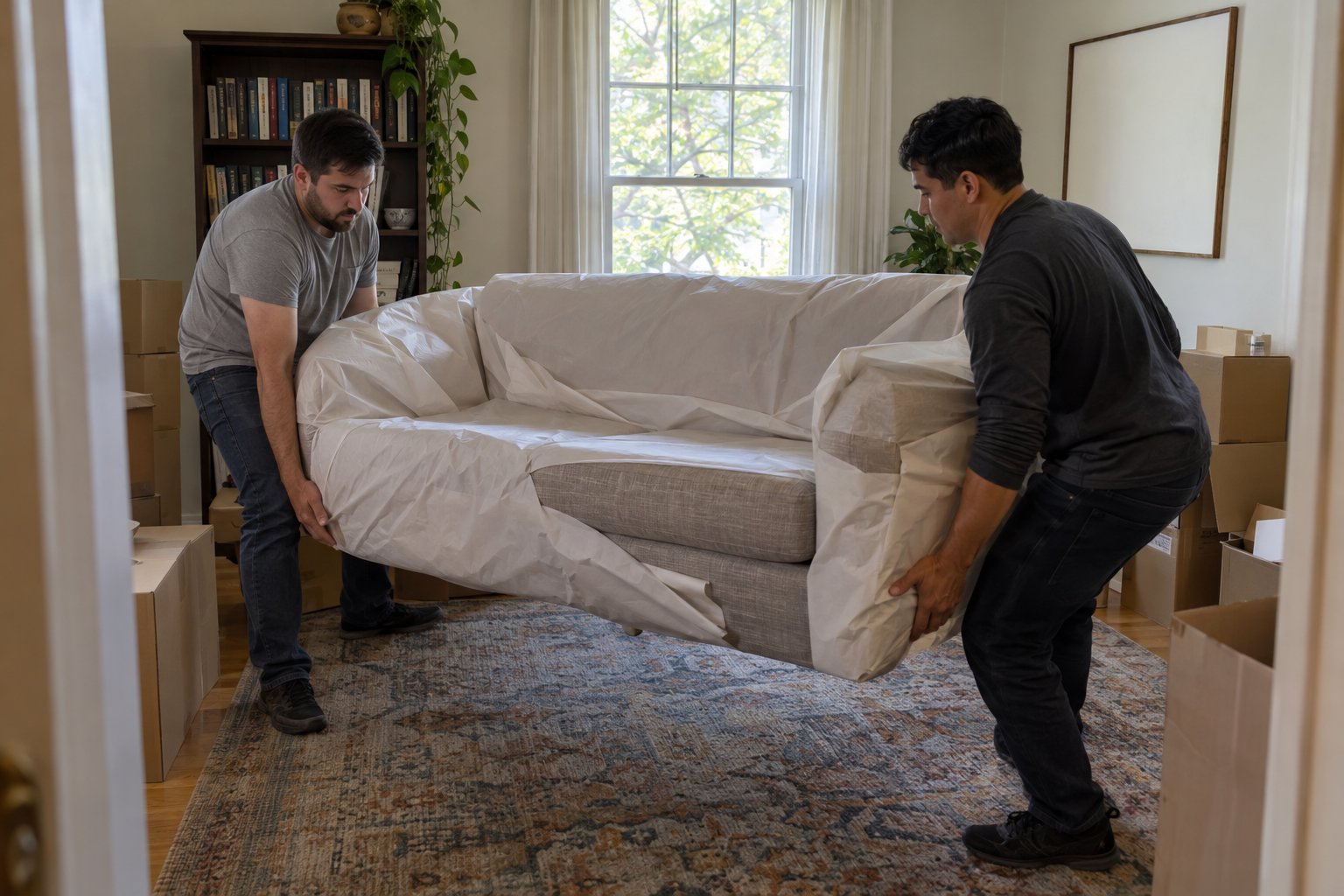
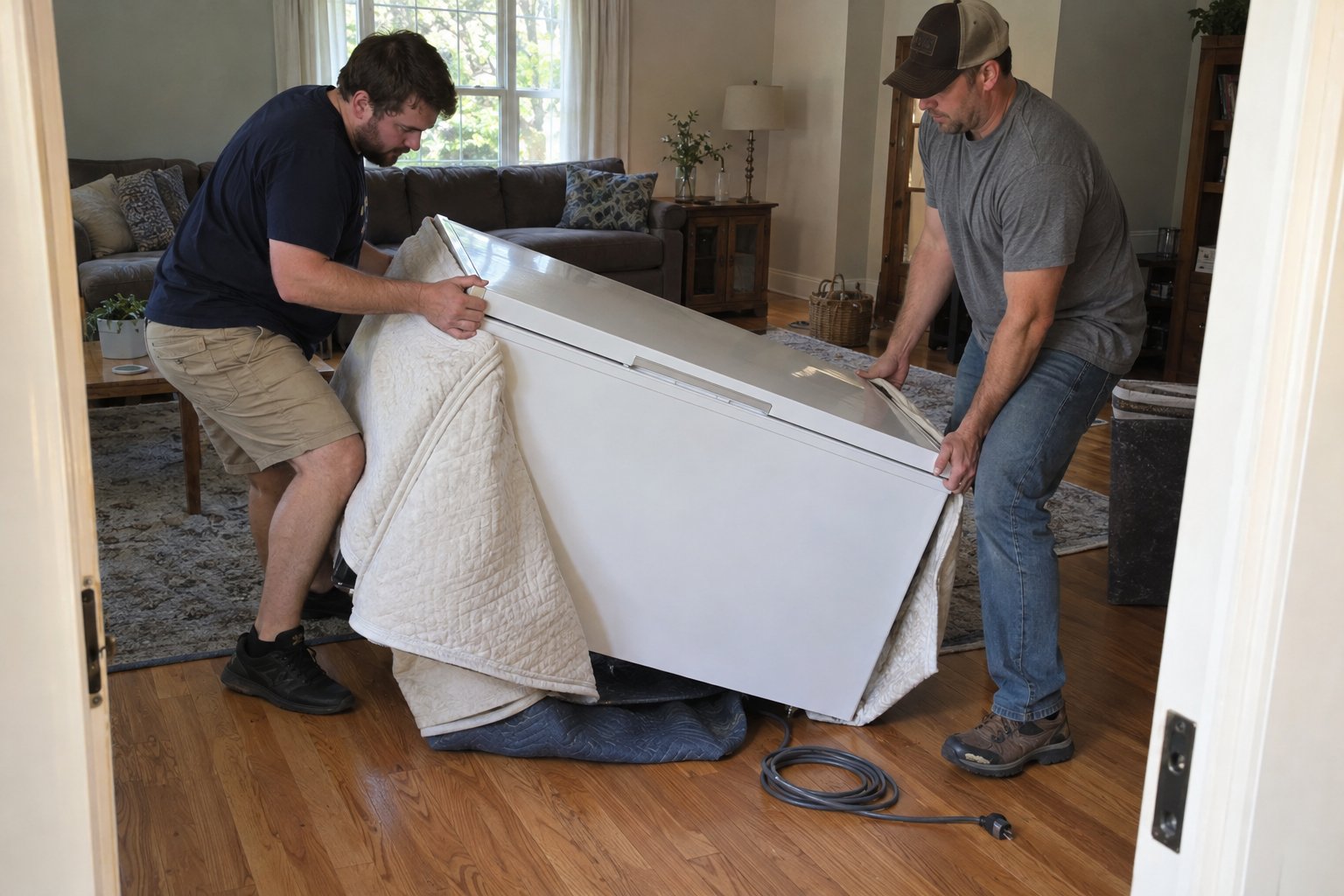
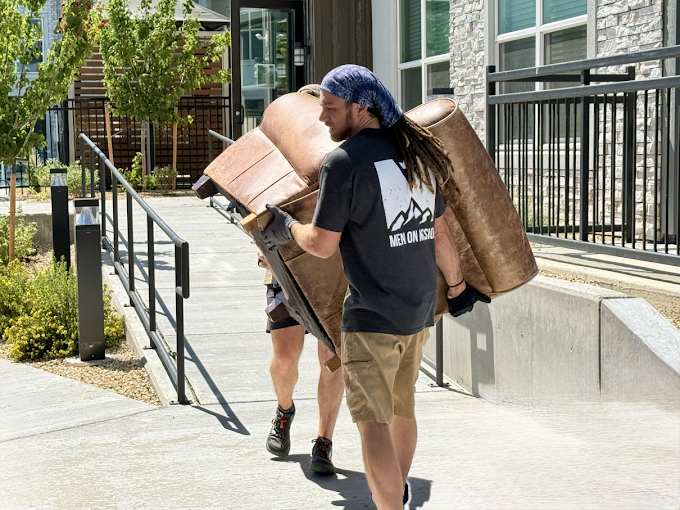
Starting a new life in the Rockies is exciting, but the logistics of hauling your life over mountain passes can be daunting. Men on Mission specializes in making your transition into the state as straightforward as possible. Instead of worrying about truck rentals and heavy lifting, let our experienced team handle the physical work so you can focus on exploring your new neighborhood.
Weather & Climate
Understanding the weather is vital before you move to Colorado. The state experiences four distinct seasons, but they rarely follow a predictable calendar. It is not uncommon to see a heavy snowstorm in May followed by 70-degree weather the next afternoon.
Winter: Generally runs from late October through April. While mountain towns see hundreds of inches of snow, cities like Colorado Springs and Denver see intermittent snow that usually melts within 48 hours thanks to the intense high-altitude sun.
Spring: Often the "mud season" in the mountains. In the valleys, it is a time of rapid greening and occasional severe thunderstorms.
Summer: Beautifully mild with highs in the 80s or 90s, though afternoon "monsoon" showers are common in July and August.
Fall: Famous for the changing Aspen leaves, which turn a brilliant gold in late September.
Best Time to Move: The most favorable window is between June and September. You avoid the risk of icy mountain passes and the unpredictable spring slush.
Cost of Living & Housing
When you move to Colorado, your biggest line item will be housing. The state has seen significant growth over the last decade, driving prices above the national average.
Median Home Value: In 2026, the median home price in Colorado is approximately $560,000, though this varies wildly. In Denver, you may see averages closer to $620,000, while more rural areas in the south or east remain near $350,000.
Rent: A standard two-bedroom apartment in a metropolitan area like Colorado Springs averages around $1,850 to $2,100.
Compared to national averages, Colorado is roughly 12% more expensive. However, property taxes are relatively low compared to the East Coast or Midwest.
For people relocating from New York, planning a cross-country move often means coordinating logistics with professional long-distance movers in Colorado who specialize in transporting belongings safely across multiple states and varying terrains.
Utilities can also be lower than average because the lack of humidity reduces the need for constant air conditioning in the summer. To save money, many newcomers look at "bedroom communities" like Fountain, Pueblo, or Greeley, where the cost of entry is lower while still providing access to the mountains.
Economy & Job Market
The economy is robust and diversified, making it an attractive place for those looking for career growth. The top three employment sectors currently driving the state are Aerospace & Defense, Technology, and Renewable Energy.
Aerospace: Colorado has the second-largest space economy in the US. Major employers like Lockheed Martin, Northrop Grumman, and Ball Aerospace provide thousands of high-paying roles.
Tech & Innovation: The "Silicon Mountain" corridor between Boulder and Denver is home to Google, Amazon, and hundreds of startups.
Healthcare & BioScience: With a population that stays active, the medical sector is a massive employer.
Commute Trends: Most residents rely on personal vehicles. The average commute time is about 28 minutes.
Getting Around
Transport in Colorado requires a bit of mountain-savvy. While the state is centered around Interstate 70 (East-West) and Interstate 25 (North-South), these arteries can become congested during "ski traffic" hours on weekends.
Walkability, airports, and biking infrastructure make Colorado relatively accessible depending on the city you choose.
Things to Do in Colorado: Top 10 Attractions
Colorado is home to some of the most breathtaking landscapes and outdoor attractions in the United States. Popular destinations include:
- Rocky Mountain National Park
- Red Rocks Park and Amphitheatre
- Garden of the Gods
- Durango & Silverton Narrow Gauge Railroad
- Great Sand Dunes National Park
- Mesa Verde National Park
- Royal Gorge Bridge and Park
- Glenwood Hot Springs Pool
- Broadmoor Seven Falls
- Denver Art Museum
Each destination showcases a different side of Colorado’s outdoor culture, history, and natural beauty.
Unique Local Experiences
Beyond the famous parks, your move to Colorado opens the door to hidden gems. Within 100 miles of the main metro areas, you can find Bishop Castle in Custer County—a massive, hand-built stone fortress constructed by one man over 50 years.
For museum lovers, the National Museum of World War II Aviation in Colorado Springs offers a deep dive into the state’s military ties. If you head toward Canon City, you can explore the Museum of Colorado Prisons, located in a former women’s correctional facility.
Professional Moving Tips
Planning a move to Colorado requires specific attention to the environment.
Packing for Altitude: If you are moving from sea level, sealed containers may expand as you gain elevation.
Hydration: The air is much drier here, so increase water intake before arrival.
Storage: If moving during winter, choose climate-controlled storage to protect sensitive items.
A move to Colorado is a bold step toward a more active, scenic life. If you are preparing for relocation from New York, working with a trusted moving company in Colorado Springs can simplify packing, scheduling, and transportation before the long trip to the Rocky Mountains.
Don't let the stress of heavy lifting and logistics hold you back from your new adventure. Men on Mission is ready to provide the muscle and strategy you need for a smooth transition.
Contact Men on Mission today at 719-357-9048 for a free quote.
Have Questions About Your Move?
How much does a move to Colorado typically cost?
Costs vary based on distance and home size. Generally, a local two-bedroom move ranges from $800 to $1,500, while long-distance relocations can exceed $4,000 depending on the total weight.
Is it difficult to drive a moving truck in the mountains?
Yes, steep grades and high winds can be dangerous for inexperienced drivers. It is often safer to hire professionals who are familiar with mountain braking and high-altitude vehicle handling.
Do I need special insurance for my move to Colorado?
Standard moving companies provide basic "released value protection." For peace of mind, consider "full value protection" to cover the replacement cost of items during your transition to the Rockies.
What is the "Traction Law" I keep hearing about?
During winter weather, Colorado law requires all vehicles on specific highways to have snow tires, four-wheel drive, or specialized chains. Professional movers ensure their equipment always meets these legal standards.
How do I prevent my furniture from cracking in the dry air?
Colorado’s low humidity can shrink wood. Use a high-quality wood conditioner before your move and consider using a humidifier in your new home to protect sensitive antique furniture pieces.