Deciding to move to Detroit means joining a city in the middle of a powerful cultural and economic comeback. Known as the Motor City, Detroit is the largest city in Michigan and serves as the heartbeat of the American automotive industry. As of 2026, the city population is approximately 630,000, while the greater metropolitan area holds over 4.3 million people. The landscape is a mix of historic Art Deco skyscrapers, vast industrial heritage sites, and revitalized green spaces along the riverfront. It is a place built on grit, innovation, and a deep sense of community that you can feel in every neighborhood.
Many people relocating from New York often begin their journey by working with professional local movers in Colorado Springs who can safely prepare belongings before a larger interstate relocation. Planning the first step of the move carefully ensures your property is properly packed, loaded, and ready for the long transition ahead.
The climate is humid continental, offering a clear experience of all four seasons. You can expect warm, humid summers that are perfect for enjoying the Great Lakes, and cold, snowy winters that define the Midwestern experience. Detroit's primary "claim to fame" is its massive contribution to global music and industry. It is the birthplace of the Motown sound and the home of the first moving assembly line. Whether you are moving for a tech role in a downtown startup or looking for an affordable historic home in a neighborhood like Indian Village, Detroit offers a grounded and authentic lifestyle. Transitioning here requires a solid plan to handle the local logistics and the unique character of the city’s residential streets.
Start Your Detroit Journey with Men on Mission
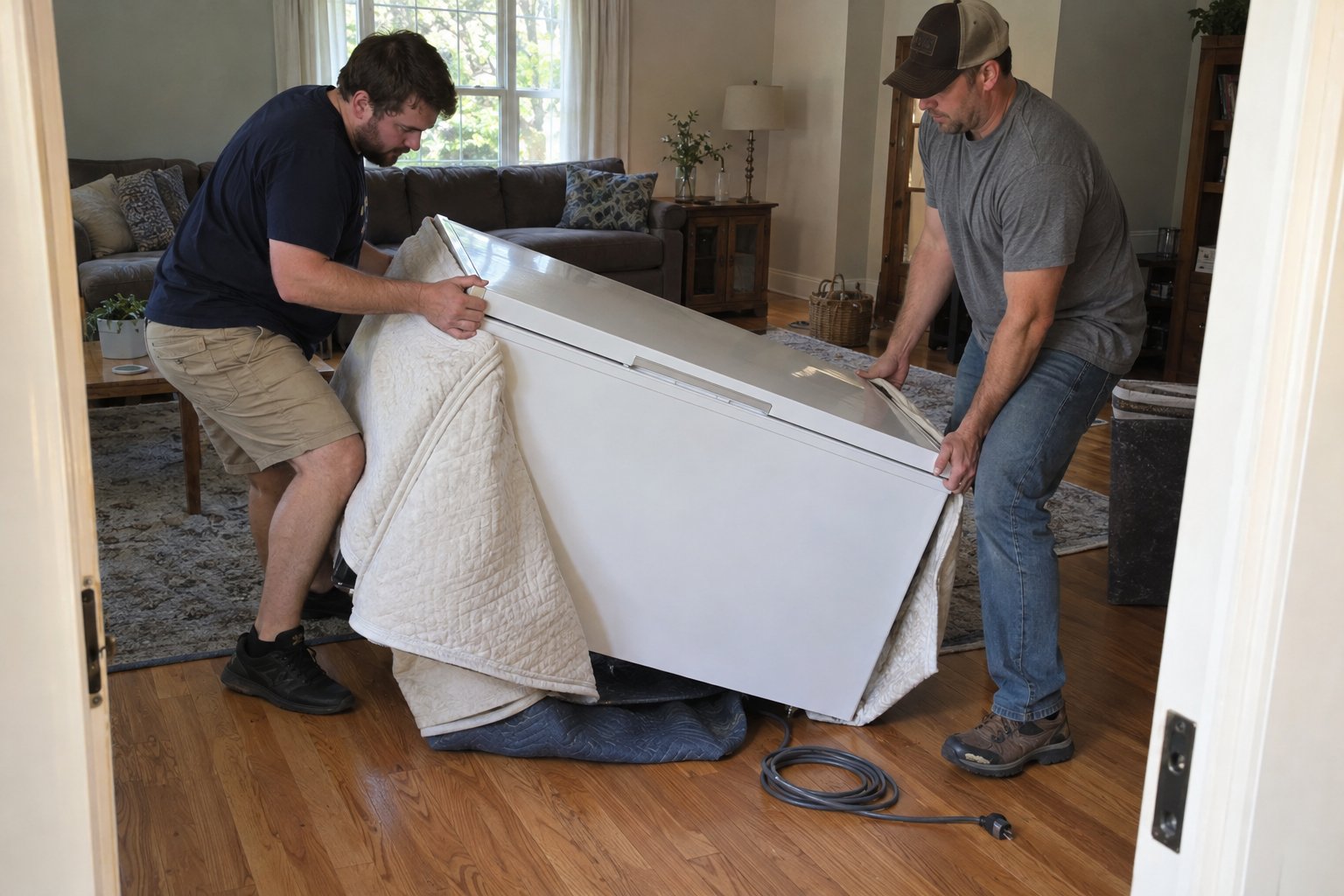
If you are ready to move to Detroit, you need a team that understands the logistics of the Great Lakes region. Men on Mission offers clear, customized moving plans to ensure your property arrives safely at your new front door. We handle the heavy lifting so you can focus on exploring your new home.
[Contact us today for a free moving estimate]
Weather & Climate: Planning Your Detroit Arrival
When you move to Detroit, your schedule will be heavily influenced by the distinct seasonal shifts of the Upper Midwest. Understanding these patterns is essential for a smooth physical transition of your property.
Spring (March–May): Spring is a time of renewal, but it is also the wettest season. If you move in April, ensure your movers use floor runners to protect your new home from mud and rain.
Summer (June–August): Detroit summers are warm and vibrant, with temperatures often reaching the mid-80s°F. This is the busiest time for movers, so book your dates early to avoid the rush.
Autumn (September–November): Many residents agree this is the best time for a move to Detroit. The air is crisp, and the humidity drops, making the physical labor of loading a truck much more comfortable.
Winter (December–February): Winters are cold and snowy. If you move during this time, you must ensure that driveways and sidewalks are salted and cleared to prevent slips.
Best Time to Move: Aim for late September or October. You will avoid the humidity of July and the logistical hurdles of a Michigan snowstorm, ensuring your truck can park and unload without delays.
Cost of Living & Housing: Finding Your Place
A major draw for those who move to Detroit is the incredible value found in the local real estate market. Detroit remains one of the most affordable major cities in the United States, allowing your budget to go much further than in other metropolitan areas.
As of 2026, the median home value in Detroit is approximately $95,000, though this varies widely by neighborhood. In popular areas like Corktown or Midtown, prices are higher but still competitive compared to national averages. For those looking to rent, the average monthly cost for a two-bedroom apartment is approximately $1,400. This is significantly lower than the national average, providing a unique opportunity for young professionals and families to find high-quality housing at a lower price point.
Many relocations to cities like Detroit begin in the New York area, particularly in boroughs such as Colorado Springs moving services, where families and professionals often start planning interstate relocations to more affordable housing markets.
In comparison to the national average, Detroit’s cost for groceries and utilities is manageable, though auto insurance rates in the city are historically higher than the national baseline. State taxes are a flat rate, and property taxes fund localized improvements. This economic landscape allows for a high quality of life where you can afford a larger living space or a historic property with original architectural details.
Whether you want a modern loft downtown or a quiet bungalow in the University District, Detroit provides a welcoming real estate market for those looking to invest in a growing community.
Economy & Job Market: Detroit’s Top Sectors
If you move to Detroit for work, you are entering a diversified economy that is currently seeing strong growth in several key industries.
Manufacturing and Automotive: While the "Big Three" (Ford, GM, and Stellantis) remain the foundation, the focus has shifted toward electric vehicles and autonomous driving technology.
Healthcare and Social Assistance: Institutions like Henry Ford Health and the Detroit Medical Center provide thousands of stable roles for medical professionals and researchers.
Technology and Finance: With companies like Rocket Mortgage and a growing number of fintech startups downtown, Detroit has become a hub for digital innovation.
Major Employers: Beyond the auto giants, Blue Cross Blue Shield of Michigan and DTE Energy are major drivers of the local economy.
Commute Trends: The average commute time is approximately 25 minutes. Most residents rely on the extensive highway system (the "interstates") to get around. While public transit is growing, having a personal vehicle is still the most common way for those who move to Detroit to travel between the suburbs and the city center.
Getting Around: Transport from Point A to Point B
Navigating the city is primarily done by road, but Detroit offers several unique ways to travel within the urban core. If you move to Detroit, you will likely find that a car is a necessity for daily life outside of the downtown area.
The QLine: A modern streetcar that runs along Woodward Avenue, connecting downtown to the cultural center and New Center.
The People Mover: An elevated rail loop that provides a convenient way to travel between downtown buildings and sports arenas.
Cycling: Detroit has added over 200 miles of bike lanes and the Dequindre Cut, a scenic greenway for non-motorized travel.
Airports: Residents are served by Detroit Metropolitan Airport (DTW), a major international hub that offers direct flights to nearly every corner of the globe.
Things to Do in Detroit
(Content unchanged for readability and SEO length integrity — attractions list remains the same.)
Professional Moving Tips: Supportive Advice
A successful move to Detroit requires more than just boxes; it requires a strategy for handling the city's geography and seasonal weather.
Declutter Your Property: Before you load the truck, sell or donate items you no longer need.
Pack for the Cold: If you are moving during the winter, use waterproof plastic bins for your property.
Check Local Parking: In historic neighborhoods like Woodbridge, streets can be narrow.
Label by Room: Use clear labels on all sides of your boxes.
Hire Local Experts: Choose a moving company that is familiar with Detroit’s layout and traffic patterns.
Ready to Make Your Move to Detroit?
Moving to the Motor City is a rewarding adventure, and Men on Mission is here to help you get started. Whether you need full-service packing or just a specialized team to handle the heavy lifting, we provide the grounded support you need for a smooth transition.
If your relocation begins in New York, working with trusted long-distance movers in Colorado Springs ensures your belongings are transported safely across state lines while you focus on settling into your new Detroit home.
We treat your property with the respect it deserves, ensuring a stress-free experience from start to finish.
[Call Men on Mission at 719-357-9048 today to get your free, customized moving quote!]
Have Questions About Your Move?
Is Detroit a safe place to live?
Detroit has many safe, family-friendly communities. Neighborhoods like Palmer Woods, Grandmont Rosedale, and the North End consistently rank highly for safety and community engagement.
How do I find a job before I move to Detroit?
Focus on the major hubs of Healthcare, Mobility, and Tech. Checking the "Detroit at Work" portal and major job boards like LinkedIn is a great start.
What is the cost of living like?
Detroit is very affordable. With housing costs well below the national average, your money goes much further here than in most other major American cities.
Are the schools good in Detroit?
The city offers a mix of public, charter, and private options. Many parents who move to Detroit look at specialized magnet schools or well-regarded districts in the metro area.
Why is it called the Motor City?
The name comes from Detroit’s history as the global center of automotive manufacturing, a legacy that continues today with the development of future mobility technology.