How to Choose a Moving Company You Can Actually Trust
Choosing the right moving company protects your belongings, your budget, and your peace of mind.
Knowing how to choose a moving company is one of the most important decisions you will make during any relocation. Hire the right crew and moving day runs smoothly — furniture arrives intact, the schedule holds, and the price matches the estimate. Hire the wrong company and you can find yourself dealing with damaged belongings, surprise fees, or worse, a situation where your possessions are held until you pay a bill far higher than you were quoted. Taking a little time to vet your options before you sign anything protects you from all of that.
If you would like to skip the research and work with a moving company that Colorado Springs residents already trust, call our team at 719-357-9048 to lock in your move date.
Whether you are planning a local move across Colorado Springs or a long-distance relocation to another state, the framework below will help you separate trustworthy, professional movers from companies that cut corners. Work through each step before you commit to any quote and you will head into moving day with genuine confidence.
Why Choosing the Right Moving Company Matters More Than Price
The instinct to go with the lowest bid is understandable — moving is expensive enough already. But price is only one variable in a decision that has real consequences for your belongings, your schedule, and your stress levels. A company that quotes low may do so by skimping on insurance, hiring inexperienced labor, or padding the final invoice with fees buried in the fine print.
The right moving company delivers three things that the cheapest option often cannot:
- Accountability — a licensed, insured company is legally and financially responsible for your belongings during the move. An unlicensed operation has no such obligation.
- Reliability — professional movers show up on time, with the right equipment, and complete the job as agreed. Fly-by-night operators cancel, show up late, or disappear after collecting a deposit.
- Transparent pricing — reputable companies provide written estimates and stick to them. Disreputable ones use low quotes to get your business, then add charges on the day of the move.
Spending an extra hour evaluating your options before booking is one of the most valuable investments you can make in a smooth relocation.
What to Look for Before You Request a Quote
Before you even ask for pricing, there are several baseline checks worth doing on any company you are considering. These steps take only a few minutes each but can save you from a genuinely bad experience.
Verify licensing and insurance
For interstate moves — any move that crosses state lines — moving companies are required by federal law to be registered with the Federal Motor Carrier Safety Administration (FMCSA) and carry a valid USDOT number. You can look up any company's registration status on the FMCSA website using their name or USDOT number. If a company cannot provide a USDOT number, that is an immediate disqualifier for any long-distance move.
For local moves within a single state, licensing requirements vary by state. Reputable local movers will still carry general liability insurance and cargo insurance. Always ask for proof before signing anything, and call the insurer directly to confirm the policy is active if you have any doubts.
Check reviews across multiple platforms
A company's reputation on Google, Yelp, and the Better Business Bureau tells you more about day-to-day reliability than any marketing copy ever will. Look beyond the star rating and read the actual reviews — pay particular attention to how the company responds to negative feedback. A professional company addresses complaints respectfully and offers resolutions. One that argues with customers or ignores negative reviews is showing you exactly how it will treat you if something goes wrong.
Confirm they have a physical address
A legitimate moving company operates from a real physical location — not just a phone number and a website. Search the address they provide and confirm it corresponds to an actual business premises. Companies operating out of a P.O. box or a residential address with no signage are a red flag worth taking seriously.
Questions to Ask Before You Book
Once you have done your initial research and are ready to speak with a company, the questions you ask will reveal a great deal about how professional and transparent they are. A good mover will answer every one of these clearly and without hesitation.
Do you provide a written, binding estimate?
A verbal quote is not a contract. Ask specifically for a written estimate — ideally a binding or not-to-exceed estimate — that details all charges. This protects you from the most common moving scam: a low oral quote followed by a drastically higher bill on delivery day. Reputable companies have no objection to putting their prices in writing.
What does your liability coverage actually include?
Most moving companies offer two levels of liability coverage by default. Released value protection is typically included at no extra charge, but it only covers a fraction of the actual value of your belongings — often as little as 60 cents per pound per item. Full value protection covers the actual repair or replacement cost of damaged items and is the coverage worth having for most households. Ask what options are available and what they cost before you sign.
Who actually performs the move?
Some companies operate as brokers rather than carriers — they take your booking and then sell your job to a third-party mover you have never spoken to. This is not inherently wrong, but it does mean you should ask who will physically show up on moving day. If the answer is "we will assign a carrier," follow up by asking for the name of that carrier so you can research them separately.
Are there any additional fees I should know about?
Long flights of stairs, long carries from the truck to the door, heavy items like pianos or gun safes, and fuel surcharges are all legitimate line items — but they should be disclosed upfront, not sprung on you at delivery. A transparent company will walk through every potential add-on charge before you sign. If a company is vague about extra fees, treat that vagueness as a warning.
Red Flags That Should Stop You From Booking
No matter how polished a company's website looks or how friendly their representative sounds on the phone, certain signals indicate that something is not right. If you encounter any of the following, keep looking.
- They require a large cash deposit upfront. Legitimate movers do not typically require large deposits, and they almost never ask for cash. A standard deposit of a modest percentage is normal, but being asked for full payment or a majority of the total before the move is a serious red flag.
- The quote comes without an in-home or video survey. Any reputable company moving a household of meaningful size will want to see what they are moving — either in person or via a video walkthrough — before providing a binding estimate. A quote given entirely over the phone without any inventory review is almost certainly inaccurate.
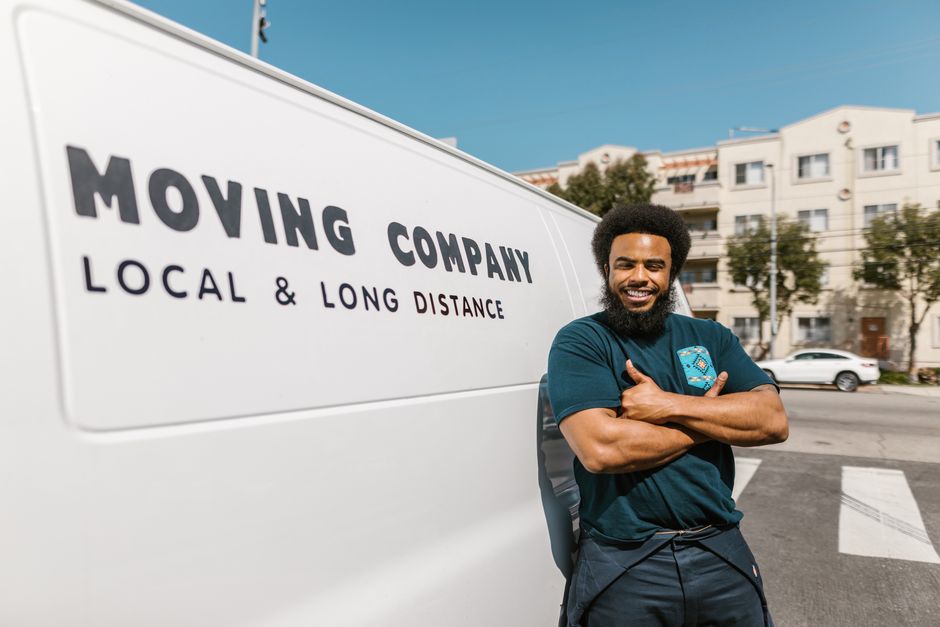
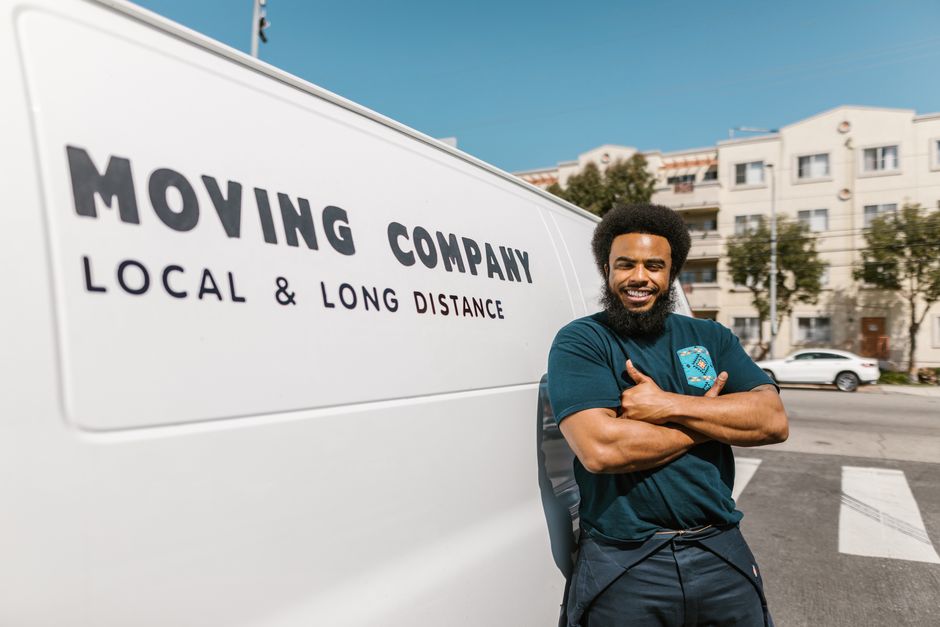
- Their trucks are unmarked or unbranded. Professional moving companies operate vehicles with their name and contact information on the side. Unmarked rental trucks are sometimes used by rogue operators who have no permanent business presence to hold accountable.
- They cannot produce a USDOT number for an interstate move. This is a legal requirement, not a courtesy. No number means no registration, which means no accountability.
- The price seems dramatically lower than every other quote. If one company's estimate is 40 or 50 percent below the market range, it is almost certainly missing something — or it is designed to increase dramatically before your belongings are delivered.
How to Compare Quotes Fairly
Once you have vetted a shortlist of companies and collected written estimates, comparing them accurately requires a little more nuance than just looking at the bottom line. Make sure each quote covers the same scope of work: the same inventory of items, the same origin and destination, and the same services (packing, disassembly, specialty handling). A quote that looks lower may simply be omitting services that the other quotes include.
Pay particular attention to:
- What liability coverage is included and whether upgrading to full value protection changes the price significantly.
- Whether packing materials are included or billed separately — boxes, tape, and padding add up quickly if they are not part of the base price.
- The estimated time range for the job — if a company quotes hourly and estimates fewer hours than competitors, ask why. It may mean they are planning a smaller crew.
When the quotes are truly apples-to-apples, the right choice is usually the company with the strongest reputation, the clearest communication, and the most transparent estimate — not simply the lowest number.
Why Local Expertise Matters for Colorado Springs Moves
Moving within Colorado Springs — or out of the Pikes Peak region — involves logistical factors that a national brand operating remotely may not fully account for. Altitude affects truck performance on long hauls through mountain passes. Neighborhoods vary significantly in terms of driveway access, street parking restrictions, and building entry requirements. A moving company with deep roots in the local area understands all of these variables before the crew ever arrives at your door.
Men on Mission is a Colorado Springs-based moving company with years of experience helping local families and individuals relocate smoothly and affordably. Our team knows the terrain, communicates transparently, and shows up ready to work — every single time.
Ready to get started? Request a free moving quote from our team today and find out why so many Colorado Springs residents trust Men on Mission with their most important moves.
Frequently Asked Questions
How do I verify that a moving company is legitimate?
For interstate moves, check the company's USDOT number on the FMCSA website to confirm they are a registered carrier. For local moves, ask for proof of licensing and insurance, confirm they have a physical business address, and read reviews on Google and the Better Business Bureau. A legitimate company will provide all of this information without hesitation.
What is the difference between a binding estimate and a non-binding estimate?
A binding estimate is a fixed price that the company cannot legally exceed unless you add services or items after the estimate is given. A non-binding estimate is the company's best guess and can change based on actual weight or time — sometimes significantly. Always ask for a binding or not-to-exceed estimate to protect yourself from surprise charges on moving day.
Should I tip my movers?
Tipping is not required but is a widely appreciated way to acknowledge a hard-working crew. If your movers handle a difficult job professionally — navigating tight spaces, managing heavy or specialty items, working efficiently — a tip is a meaningful way to show appreciation. A common guideline is roughly $20 to $50 per mover for a standard local move, adjusted up for longer or more demanding jobs.
What questions should I ask a moving company before booking?
The most important questions to ask are: Do you provide a written estimate? What liability coverage is included, and can I upgrade to full value protection? Who will actually perform my move — your employees or a subcontracted carrier? Are there any potential additional fees I should know about? What happens if something is damaged during the move? A reputable company will answer all of these clearly and in writing.
How far in advance should I book a moving company?
For most local moves, booking two to four weeks in advance gives you plenty of time to vet your options and secure your preferred date. For long-distance moves, or for moves scheduled during peak periods like late spring and summer, booking six to eight weeks ahead is advisable. The best companies fill their schedules quickly during busy seasons, and waiting too long may leave you with fewer trustworthy options.
Knowing how to choose a moving company is one of the most important decisions you will make during any relocation. Hire the right crew and moving day runs smoothly — furniture arrives intact, the schedule holds, and the price matches the estimate. Hire the wrong company and you can find yourself dealing with damaged belongings, surprise fees, or worse, a situation where your possessions are held until you pay a bill far higher than you were quoted. Taking a little time to vet your options before you sign anything protects you from all of that.
If you would like to skip the research and work with a moving company that Colorado Springs residents already trust, call our team at 719-357-9048 to lock in your move date.
Whether you are planning a local move across Colorado Springs or a long-distance relocation to another state, the framework below will help you separate trustworthy, professional movers from companies that cut corners. Work through each step before you commit to any quote and you will head into moving day with genuine confidence.
Why Choosing the Right Moving Company Matters More Than Price
The instinct to go with the lowest bid is understandable — moving is expensive enough already. But price is only one variable in a decision that has real consequences for your belongings, your schedule, and your stress levels. A company that quotes low may do so by skimping on insurance, hiring inexperienced labor, or padding the final invoice with fees buried in the fine print.
The right moving company delivers three things that the cheapest option often cannot:
- Accountability — a licensed, insured company is legally and financially responsible for your belongings during the move. An unlicensed operation has no such obligation.
- Reliability — professional movers show up on time, with the right equipment, and complete the job as agreed. Fly-by-night operators cancel, show up late, or disappear after collecting a deposit.
- Transparent pricing — reputable companies provide written estimates and stick to them. Disreputable ones use low quotes to get your business, then add charges on the day of the move.
Spending an extra hour evaluating your options before booking is one of the most valuable investments you can make in a smooth relocation.
What to Look for Before You Request a Quote
Before you even ask for pricing, there are several baseline checks worth doing on any company you are considering. These steps take only a few minutes each but can save you from a genuinely bad experience.
Verify licensing and insurance
For interstate moves — any move that crosses state lines — moving companies are required by federal law to be registered with the Federal Motor Carrier Safety Administration (FMCSA) and carry a valid USDOT number. You can look up any company's registration status on the FMCSA website using their name or USDOT number. If a company cannot provide a USDOT number, that is an immediate disqualifier for any long-distance move.
For local moves within a single state, licensing requirements vary by state. Reputable local movers will still carry general liability insurance and cargo insurance. Always ask for proof before signing anything, and call the insurer directly to confirm the policy is active if you have any doubts.
Check reviews across multiple platforms
A company's reputation on Google, Yelp, and the Better Business Bureau tells you more about day-to-day reliability than any marketing copy ever will. Look beyond the star rating and read the actual reviews — pay particular attention to how the company responds to negative feedback. A professional company addresses complaints respectfully and offers resolutions. One that argues with customers or ignores negative reviews is showing you exactly how it will treat you if something goes wrong.
Confirm they have a physical address
A legitimate moving company operates from a real physical location — not just a phone number and a website. Search the address they provide and confirm it corresponds to an actual business premises. Companies operating out of a P.O. box or a residential address with no signage are a red flag worth taking seriously.
Questions to Ask Before You Book
Once you have done your initial research and are ready to speak with a company, the questions you ask will reveal a great deal about how professional and transparent they are. A good mover will answer every one of these clearly and without hesitation.
Do you provide a written, binding estimate?
A verbal quote is not a contract. Ask specifically for a written estimate — ideally a binding or not-to-exceed estimate — that details all charges. This protects you from the most common moving scam: a low oral quote followed by a drastically higher bill on delivery day. Reputable companies have no objection to putting their prices in writing.
What does your liability coverage actually include?
Most moving companies offer two levels of liability coverage by default. Released value protection is typically included at no extra charge, but it only covers a fraction of the actual value of your belongings — often as little as 60 cents per pound per item. Full value protection covers the actual repair or replacement cost of damaged items and is the coverage worth having for most households. Ask what options are available and what they cost before you sign.
Who actually performs the move?
Some companies operate as brokers rather than carriers — they take your booking and then sell your job to a third-party mover you have never spoken to. This is not inherently wrong, but it does mean you should ask who will physically show up on moving day. If the answer is "we will assign a carrier," follow up by asking for the name of that carrier so you can research them separately.
Are there any additional fees I should know about?
Long flights of stairs, long carries from the truck to the door, heavy items like pianos or gun safes, and fuel surcharges are all legitimate line items — but they should be disclosed upfront, not sprung on you at delivery. A transparent company will walk through every potential add-on charge before you sign. If a company is vague about extra fees, treat that vagueness as a warning.
Red Flags That Should Stop You From Booking
No matter how polished a company's website looks or how friendly their representative sounds on the phone, certain signals indicate that something is not right. If you encounter any of the following, keep looking.
- They require a large cash deposit upfront. Legitimate movers do not typically require large deposits, and they almost never ask for cash. A standard deposit of a modest percentage is normal, but being asked for full payment or a majority of the total before the move is a serious red flag.
- The quote comes without an in-home or video survey. Any reputable company moving a household of meaningful size will want to see what they are moving — either in person or via a video walkthrough — before providing a binding estimate. A quote given entirely over the phone without any inventory review is almost certainly inaccurate.
- Their trucks are unmarked or unbranded. Professional moving companies operate vehicles with their name and contact information on the side. Unmarked rental trucks are sometimes used by rogue operators who have no permanent business presence to hold accountable.
- They cannot produce a USDOT number for an interstate move. This is a legal requirement, not a courtesy. No number means no registration, which means no accountability.
- The price seems dramatically lower than every other quote. If one company's estimate is 40 or 50 percent below the market range, it is almost certainly missing something — or it is designed to increase dramatically before your belongings are delivered.
How to Compare Quotes Fairly
Once you have vetted a shortlist of companies and collected written estimates, comparing them accurately requires a little more nuance than just looking at the bottom line. Make sure each quote covers the same scope of work: the same inventory of items, the same origin and destination, and the same services (packing, disassembly, specialty handling). A quote that looks lower may simply be omitting services that the other quotes include.
Pay particular attention to:
- What liability coverage is included and whether upgrading to full value protection changes the price significantly.
- Whether packing materials are included or billed separately — boxes, tape, and padding add up quickly if they are not part of the base price.
- The estimated time range for the job — if a company quotes hourly and estimates fewer hours than competitors, ask why. It may mean they are planning a smaller crew.
When the quotes are truly apples-to-apples, the right choice is usually the company with the strongest reputation, the clearest communication, and the most transparent estimate — not simply the lowest number.
Why Local Expertise Matters for Colorado Springs Moves
Moving within Colorado Springs — or out of the Pikes Peak region — involves logistical factors that a national brand operating remotely may not fully account for. Altitude affects truck performance on long hauls through mountain passes. Neighborhoods vary significantly in terms of driveway access, street parking restrictions, and building entry requirements. A moving company with deep roots in the local area understands all of these variables before the crew ever arrives at your door.
Men on Mission is a Colorado Springs-based moving company with years of experience helping local families and individuals relocate smoothly and affordably. Our team knows the terrain, communicates transparently, and shows up ready to work — every single time.
Ready to get started? Request a free moving quote from our team today and find out why so many Colorado Springs residents trust Men on Mission with their most important moves.
Have Questions About Your Move?

How do I verify that a moving company is legitimate?
For interstate moves, check the company's USDOT number on the FMCSA website to confirm they are a registered carrier. For local moves, ask for proof of licensing and insurance, confirm they have a physical business address, and read reviews on Google and the Better Business Bureau. A legitimate company will provide all of this information without hesitation.
What is the difference between a binding estimate and a non-binding estimate?
A binding estimate is a fixed price that the company cannot legally exceed unless you add services or items after the estimate is given. A non-binding estimate is the company's best guess and can change based on actual weight or time — sometimes significantly. Always ask for a binding or not-to-exceed estimate to protect yourself from surprise charges on moving day.
Should I tip my movers?
Tipping is not required but is a widely appreciated way to acknowledge a hard-working crew. If your movers handle a difficult job professionally — navigating tight spaces, managing heavy or specialty items, working efficiently — a tip is a meaningful way to show appreciation. A common guideline is roughly $20 to $50 per mover for a standard local move, adjusted up for longer or more demanding jobs.
What questions should I ask a moving company before booking?
The most important questions to ask are: Do you provide a written estimate? What liability coverage is included, and can I upgrade to full value protection? Who will actually perform my move — your employees or a subcontracted carrier? Are there any potential additional fees I should know about? What happens if something is damaged during the move? A reputable company will answer all of these clearly and in writing.
How far in advance should I book a moving company?
For most local moves, booking two to four weeks in advance gives you plenty of time to vet your options and secure your preferred date. For long-distance moves, or for moves scheduled during peak periods like late spring and summer, booking six to eight weeks ahead is advisable. The best companies fill their schedules quickly during busy seasons, and waiting too long may leave you with fewer trustworthy options.