How to Create a Moving Day Timeline That Actually Works
A clear moving day timeline keeps your relocation on track. Follow this hour-by-hour guide to take the stress out of move day.

A solid moving day timeline is the single most effective tool for keeping your relocation from spiraling into chaos. Without one, even the most organized households end up scrambling at the last minute, forgetting essential tasks, and handing over a home that still has half its contents inside. With a clear hour-by-hour plan, moving day becomes a manageable sequence of steps rather than a frantic race against the clock.
If you would like professional movers to handle the heavy lifting on your move day, call our team at 719-357-9048 to lock in your date.
Whether you are moving across town or heading to a different state entirely, the framework below is designed to work for most household moves. Adjust the exact times to fit your truck reservation, crew arrival, or drive distance — but keep the sequence the same.
Why Most Moving Days Fall Apart (And How a Timeline Fixes That)
The biggest reason moving days go wrong is not a lack of effort — it is a lack of sequencing. People start packing the kitchen while the bedroom furniture is still disassembled. Boxes pile up in the hallway before the truck arrives, creating a bottleneck. Cleaning gets pushed to the very end when everyone is exhausted.
A moving day timeline solves these problems by giving every task a designated window. When you know that disassembly happens before loading and cleaning happens after the truck departs, the day flows logically from one phase to the next. You also have a built-in way to measure whether you are on track or falling behind, so you can call in extra help before a small delay becomes a big problem.
The night before your move is technically not moving day, but what you do then has a direct impact on how smoothly the morning unfolds. Treat the evening before as a prep phase, not a rest phase.
The Night Before: Your Pre-Move Checklist
Completing these tasks the evening before moving day gives you a meaningful head start and prevents the most common morning surprises.
- Finish all packing — every box should be sealed, taped, and labeled before you go to sleep. Moving day is not for packing; it is for loading.
- Set aside an essentials bag — pack a separate bag or box with items you will need in the first 24 hours at your new home: phone charger, toiletries, a change of clothes, medications, important documents, and snacks.
- Disassemble large furniture — take apart bed frames, remove table legs, and wrap glass components so everything is ready to carry out the door first thing in the morning.
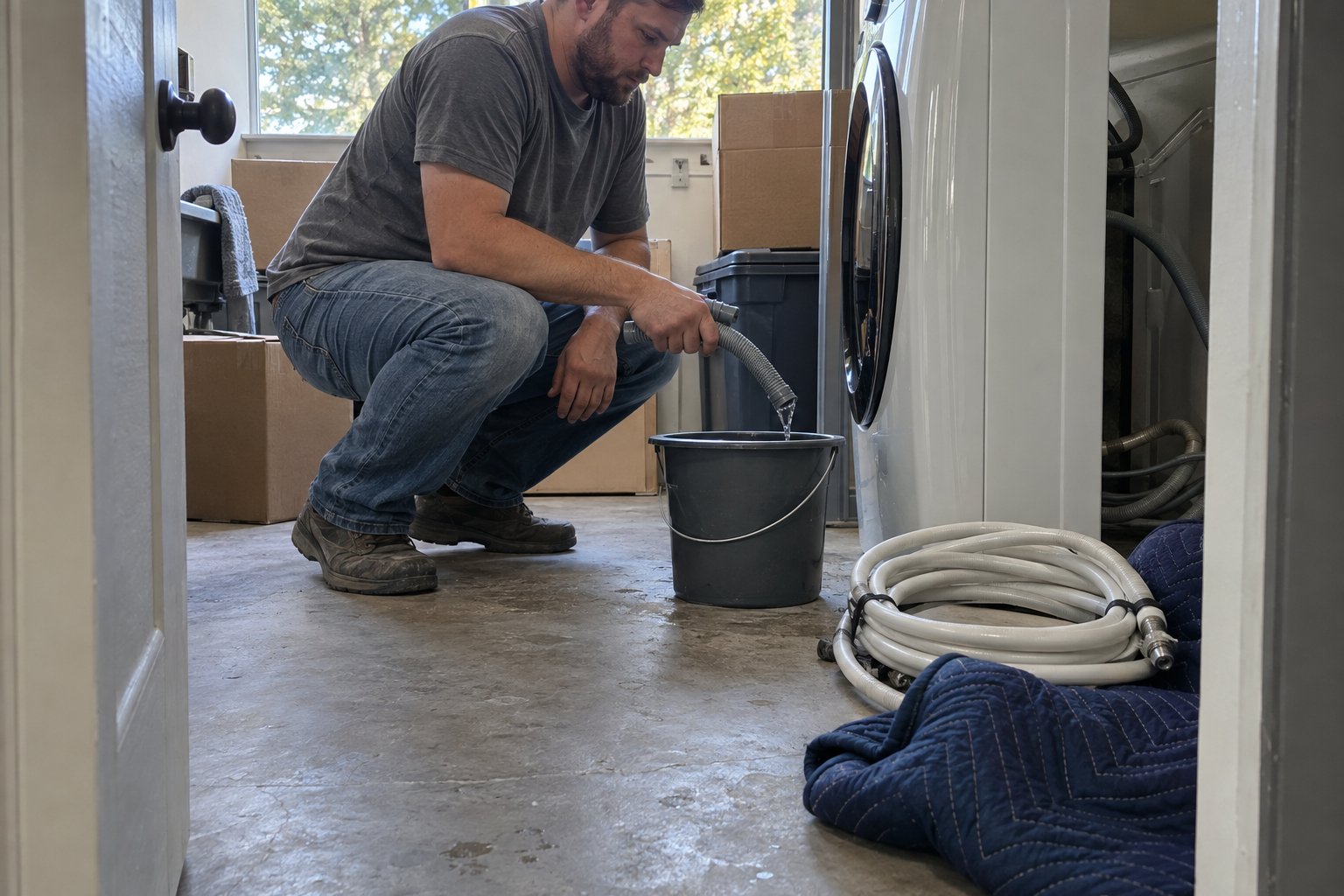
- Defrost the refrigerator — if you are taking your fridge, unplug it at least 8 to 12 hours before loading to prevent water damage inside the truck.
- Confirm all logistics — verify truck pick-up time or mover arrival window, confirm your new address access, and make sure you have cash or a payment method ready for tips or deposits.
Going to bed with these items crossed off means you can start moving day with a clear head rather than scrambling to catch up before the crew even arrives.
Hour-by-Hour Moving Day Timeline
The following schedule assumes a morning start, which is the most common and practical approach for most moves. Adjust the clock as needed, but keep the order of operations intact.
Early Morning (6:00 AM – 8:00 AM): Final Prep and Staging
Wake up early and give yourself at least two hours before your movers or truck arrive. This window is for final preparation, not rushing through tasks that should have been done the night before.
- Do a walk-through of every room, closet, cabinet, and drawer to catch anything that was missed during packing.
- Move all boxes and small items to the front rooms or near the exit so they are easy to carry out when loading begins.
- Eat breakfast. Moving is physical work, and skipping a meal leads to fatigue and poor decision-making later in the day.
- Set out your essentials bag in a clearly marked spot — ideally in your personal vehicle, not the moving truck — so it does not get buried under other items.
- Protect floors and door frames at both the origin and destination addresses if possible. Lay down cardboard or moving blankets along high-traffic paths.
Mid-Morning (8:00 AM – 12:00 PM): Loading the Truck
This is the core physical phase of the day, and it tends to take longer than most people expect. A typical two- to three-bedroom home often requires three to four hours of focused loading, even with an experienced crew.
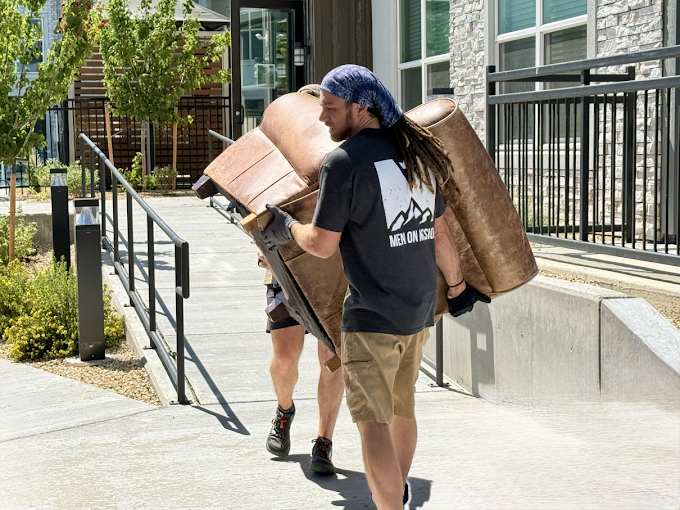
Load in this order for best results: heavy appliances and large furniture first (toward the cab), medium-weight boxes and stacked items in the middle, and light or fragile boxes near the rear door. Wrap all furniture in moving blankets and use ratchet straps to secure loads against the truck walls after each section is filled.
Designate one person as the truck loader and one as the runner who brings items from inside. Crossing paths in doorways and hallways is one of the most common causes of dropped items and minor injuries on moving day.
Do a final sweep of the home once the truck appears full. Check attic access, garage shelving, outdoor storage, and under-sink cabinets — these are the spots most often forgotten in the final push.
Early Afternoon (12:00 PM – 1:00 PM): Transit and Lunch Break
Once the truck is loaded and locked, take a genuine break before driving. Moving teams that skip the midday rest period tend to make more mistakes during unloading, including setting furniture in wrong rooms and mishandling fragile boxes.
Use this break to eat a proper lunch, hydrate, and do a final check that all doors and windows at the origin address are locked. Return all keys, garage openers, and parking passes to your landlord or real estate agent if applicable.
If your drive is longer than an hour, plan a rest stop. Driving a loaded moving truck is more demanding than driving a passenger vehicle, especially on unfamiliar roads or in highway traffic.
Afternoon (1:00 PM – 5:00 PM): Unloading and Furniture Placement
Unloading is typically faster than loading, but it requires just as much organization. Before the first box comes off the truck, do a quick walk-through of your new home with whoever is helping you. Assign a specific person to stand inside each major room and direct traffic.
- Unload large furniture first and place it directly in the correct room — moving a full bookshelf or bed frame twice is exhausting and unnecessary.
- Bring all boxes inside before you start assembling anything. Getting everything off the truck is the priority; assembly comes after.
- Stack boxes against walls out of the main walkways to keep the space clear and reduce trip hazards.
- Set up the bedroom first if you are staying the night — having a functional sleep space at the end of move day makes a significant difference in how you feel the next morning.
Late Afternoon to Evening (5:00 PM – 8:00 PM): Wrap-Up and First Night Setup
The final phase of your moving day timeline is about getting to a livable baseline, not full unpacking. Trying to unpack everything on day one leads to exhaustion and poor organization decisions you will regret later.
Focus on making the kitchen, bathroom, and bedroom functional. Hook up the refrigerator, make the beds, set up bathroom essentials, and locate the coffee maker. Everything else can wait until tomorrow.
Do a quick inventory check against your labeled boxes to confirm that no items were left on the truck or lost in transit. Return the moving truck by the agreed time if you rented it yourself to avoid extra fees.
Tips for Staying on Schedule All Day
Even the best moving day timeline encounters unexpected delays. Here are practical strategies for staying as close to schedule as possible without adding unnecessary stress.
- Build in buffer time — add 30 to 45 minutes of cushion between major phases so that a slow loading session does not cascade into a missed truck return window.
- Communicate clearly — if you are working with professional movers, brief them on your timeline and priority items at the start of the day so everyone is working toward the same goals.
- Keep children and pets managed — arrange for a family member or friend to supervise kids and pets away from the loading zone. This alone prevents a surprising amount of delay and stress on move day.
- Stay hydrated and take short breaks — moving is physically intense. A five-minute sit-down every hour or two prevents the kind of fatigue-related slowdowns that derail even well-planned timelines.
- Have a contingency plan — know who to call if the truck breaks down, the keys are missing, or an item will not fit through a doorway. Having those contact numbers ready means you lose minutes, not hours, when problems arise.
When to Call Professional Movers Instead
A DIY move with a carefully planned moving day timeline is absolutely achievable for smaller households and local moves. But for larger homes, long-distance relocations, or moves involving specialty items like pianos, safes, or antique furniture, hiring professional movers is usually the smarter investment.
Professionals bring their own equipment, their own crew, and — most importantly — their own experience with the kinds of complications that derail amateur moves. They also tend to work faster than a group of friends, which keeps your timeline intact even when unexpected challenges come up.
Men on Mission specializes in both local and long-distance moves out of Colorado Springs. Whether you need a full-service crew to handle everything from packing to unloading, or just a team to load and drive the truck, we can build a moving plan around your specific timeline and budget.
A solid moving day timeline is the single most effective tool for keeping your relocation from spiraling into chaos. Without one, even the most organized households end up scrambling at the last minute, forgetting essential tasks, and handing over a home that still has half its contents inside. With a clear hour-by-hour plan, moving day becomes a manageable sequence of steps rather than a frantic race against the clock.
If you would like professional movers to handle the heavy lifting on your move day, call our team at 719-357-9048 to lock in your date.
Whether you are moving across town or heading to a different state entirely, the framework below is designed to work for most household moves. Adjust the exact times to fit your truck reservation, crew arrival, or drive distance — but keep the sequence the same.
Why Most Moving Days Fall Apart (And How a Timeline Fixes That)
The biggest reason moving days go wrong is not a lack of effort — it is a lack of sequencing. People start packing the kitchen while the bedroom furniture is still disassembled. Boxes pile up in the hallway before the truck arrives, creating a bottleneck. Cleaning gets pushed to the very end when everyone is exhausted.
A moving day timeline solves these problems by giving every task a designated window. When you know that disassembly happens before loading and cleaning happens after the truck departs, the day flows logically from one phase to the next. You also have a built-in way to measure whether you are on track or falling behind, so you can call in extra help before a small delay becomes a big problem.
The night before your move is technically not moving day, but what you do then has a direct impact on how smoothly the morning unfolds. Treat the evening before as a prep phase, not a rest phase.
The Night Before: Your Pre-Move Checklist
Completing these tasks the evening before moving day gives you a meaningful head start and prevents the most common morning surprises.
- Finish all packing — every box should be sealed, taped, and labeled before you go to sleep. Moving day is not for packing; it is for loading.
- Set aside an essentials bag — pack a separate bag or box with items you will need in the first 24 hours at your new home: phone charger, toiletries, a change of clothes, medications, important documents, and snacks.
- Disassemble large furniture — take apart bed frames, remove table legs, and wrap glass components so everything is ready to carry out the door first thing in the morning.
- Defrost the refrigerator — if you are taking your fridge, unplug it at least 8 to 12 hours before loading to prevent water damage inside the truck.
- Confirm all logistics — verify truck pick-up time or mover arrival window, confirm your new address access, and make sure you have cash or a payment method ready for tips or deposits.
Going to bed with these items crossed off means you can start moving day with a clear head rather than scrambling to catch up before the crew even arrives.
Hour-by-Hour Moving Day Timeline
The following schedule assumes a morning start, which is the most common and practical approach for most moves. Adjust the clock as needed, but keep the order of operations intact.
Early Morning (6:00 AM – 8:00 AM): Final Prep and Staging
Wake up early and give yourself at least two hours before your movers or truck arrive. This window is for final preparation, not rushing through tasks that should have been done the night before.
- Do a walk-through of every room, closet, cabinet, and drawer to catch anything that was missed during packing.
- Move all boxes and small items to the front rooms or near the exit so they are easy to carry out when loading begins.
- Eat breakfast. Moving is physical work, and skipping a meal leads to fatigue and poor decision-making later in the day.
- Set out your essentials bag in a clearly marked spot — ideally in your personal vehicle, not the moving truck — so it does not get buried under other items.
- Protect floors and door frames at both the origin and destination addresses if possible. Lay down cardboard or moving blankets along high-traffic paths.
Mid-Morning (8:00 AM – 12:00 PM): Loading the Truck
This is the core physical phase of the day, and it tends to take longer than most people expect. A typical two- to three-bedroom home often requires three to four hours of focused loading, even with an experienced crew.
Load in this order for best results: heavy appliances and large furniture first (toward the cab), medium-weight boxes and stacked items in the middle, and light or fragile boxes near the rear door. Wrap all furniture in moving blankets and use ratchet straps to secure loads against the truck walls after each section is filled.
Designate one person as the truck loader and one as the runner who brings items from inside. Crossing paths in doorways and hallways is one of the most common causes of dropped items and minor injuries on moving day.
Do a final sweep of the home once the truck appears full. Check attic access, garage shelving, outdoor storage, and under-sink cabinets — these are the spots most often forgotten in the final push.
Early Afternoon (12:00 PM – 1:00 PM): Transit and Lunch Break
Once the truck is loaded and locked, take a genuine break before driving. Moving teams that skip the midday rest period tend to make more mistakes during unloading, including setting furniture in wrong rooms and mishandling fragile boxes.
Use this break to eat a proper lunch, hydrate, and do a final check that all doors and windows at the origin address are locked. Return all keys, garage openers, and parking passes to your landlord or real estate agent if applicable.
If your drive is longer than an hour, plan a rest stop. Driving a loaded moving truck is more demanding than driving a passenger vehicle, especially on unfamiliar roads or in highway traffic.
Afternoon (1:00 PM – 5:00 PM): Unloading and Furniture Placement
Unloading is typically faster than loading, but it requires just as much organization. Before the first box comes off the truck, do a quick walk-through of your new home with whoever is helping you. Assign a specific person to stand inside each major room and direct traffic.
- Unload large furniture first and place it directly in the correct room — moving a full bookshelf or bed frame twice is exhausting and unnecessary.
- Bring all boxes inside before you start assembling anything. Getting everything off the truck is the priority; assembly comes after.
- Stack boxes against walls out of the main walkways to keep the space clear and reduce trip hazards.
- Set up the bedroom first if you are staying the night — having a functional sleep space at the end of move day makes a significant difference in how you feel the next morning.
Late Afternoon to Evening (5:00 PM – 8:00 PM): Wrap-Up and First Night Setup
The final phase of your moving day timeline is about getting to a livable baseline, not full unpacking. Trying to unpack everything on day one leads to exhaustion and poor organization decisions you will regret later.
Focus on making the kitchen, bathroom, and bedroom functional. Hook up the refrigerator, make the beds, set up bathroom essentials, and locate the coffee maker. Everything else can wait until tomorrow.
Do a quick inventory check against your labeled boxes to confirm that no items were left on the truck or lost in transit. Return the moving truck by the agreed time if you rented it yourself to avoid extra fees.
Tips for Staying on Schedule All Day
Even the best moving day timeline encounters unexpected delays. Here are practical strategies for staying as close to schedule as possible without adding unnecessary stress.
- Build in buffer time — add 30 to 45 minutes of cushion between major phases so that a slow loading session does not cascade into a missed truck return window.
- Communicate clearly — if you are working with professional movers, brief them on your timeline and priority items at the start of the day so everyone is working toward the same goals.
- Keep children and pets managed — arrange for a family member or friend to supervise kids and pets away from the loading zone. This alone prevents a surprising amount of delay and stress on move day.
- Stay hydrated and take short breaks — moving is physically intense. A five-minute sit-down every hour or two prevents the kind of fatigue-related slowdowns that derail even well-planned timelines.
- Have a contingency plan — know who to call if the truck breaks down, the keys are missing, or an item will not fit through a doorway. Having those contact numbers ready means you lose minutes, not hours, when problems arise.
When to Call Professional Movers Instead
A DIY move with a carefully planned moving day timeline is absolutely achievable for smaller households and local moves. But for larger homes, long-distance relocations, or moves involving specialty items like pianos, safes, or antique furniture, hiring professional movers is usually the smarter investment.
Professionals bring their own equipment, their own crew, and — most importantly — their own experience with the kinds of complications that derail amateur moves. They also tend to work faster than a group of friends, which keeps your timeline intact even when unexpected challenges come up.
Men on Mission specializes in both local and long-distance moves out of Colorado Springs. Whether you need a full-service crew to handle everything from packing to unloading, or just a team to load and drive the truck, we can build a moving plan around your specific timeline and budget.
Have Questions About Your Move?
How early should I start my moving day timeline?
Most moves benefit from a 6:00 AM or 7:00 AM start, especially for larger homes. Starting early gives you the full day to work through loading, transit, and unloading without feeling rushed. It also means you are less likely to be moving boxes in the dark at the end of the day.
How long does it typically take to load a moving truck?
Loading time varies by home size and crew size, but a rough estimate is one to two hours per bedroom for a well-organized move. A two-bedroom apartment with two people might take two to three hours. A four-bedroom house with the same crew could take six hours or more. Building buffer time into your moving day timeline helps account for this variation.
What should I do if my movers are running late?
Stay calm and use the extra time productively — do another walk-through, stage more items near the exit, or handle paperwork tasks. Call your movers or rental company as soon as the delay becomes clear so you can adjust the rest of your timeline, including any truck return deadlines or access windows at your new address.