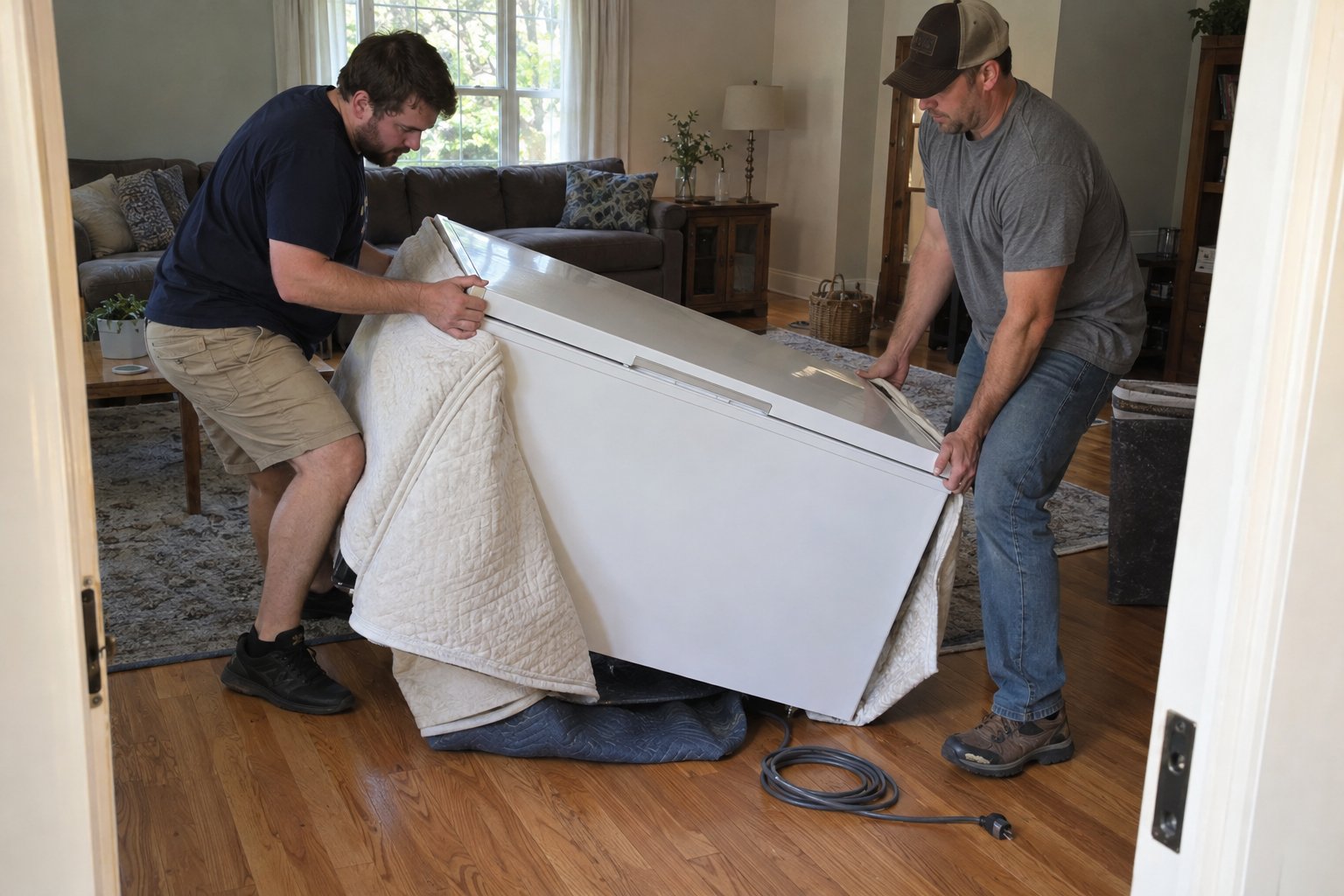
Learning how to move internationally is a bigger project than moving across town. You have to juggle visas, shipping, timelines, and new rules in a country that may feel unfamiliar. The distance alone adds pressure, and there is less room for mistakes because returning to fix something is rarely simple or cheap. Having reliable help for the physical side of your move, including professional loading and unloading services, can make the earliest stages far less overwhelming.
Treating an international move like a series of clear steps makes it manageable. Once you understand the main pieces, such as immigration, housing, shipping, and finances, you can create a calm plan instead of reacting to every problem. A thoughtful approach helps protect your time, money, and peace of mind.
Start With Visas, Documents, And Deadlines
Before you pack a box, you need to know you can legally live in your new country. Research the visa or residence permit that fits your situation and list all required documents. Your passport, birth certificate, work contracts, and school records may be needed in original form, often with certified translations.
Deadlines matter. Some visas must be approved before arrival, while others are finished after you land. When you ask how to move internationally, these rules are the foundation. Build a simple checklist and keep a folder for all important paperwork so it is always easy to find during travel and appointments.
Build A Realistic International Moving Budget
International moves involve many hidden costs. Beyond plane tickets, you may pay for shipping containers, customs duties, storage, temporary accommodation, and new furnishings. Listing these expenses early helps you see the full picture and avoids nasty surprises midway through the process.
Create separate budget lines for travel, shipping, short term living, and setup in the new home. Leave a buffer for currency changes or unexpected fees. When you understand how to move internationally with a realistic budget, you can make calmer choices about what to ship, what to sell, and where to save.
Decide What To Ship, Store, Sell, Or Donate
Shipping everything you own across borders is rarely the best choice. The more you send, the higher your costs and the more complex customs can become. Instead, walk through each room and decide whether items should be shipped, stored locally, sold, donated, or simply discarded.
Large, inexpensive furniture is often cheaper to replace than to move internationally. Sentimental items and high value pieces may be worth the cost. Think about climate and housing differences as well. A sofa that fits a large American living room might overwhelm a smaller apartment abroad, so measure carefully.
Understand Your Shipping And Freight Options
When planning how to move internationally, you will likely choose between air freight, sea freight, or a combination. Air is faster but more expensive, usually best for essentials you need quickly. Sea freight is cheaper but slower, often taking several weeks or more to arrive at your destination port.
You can ship a full container if you have a large household or share a container with others if you have fewer items. Transit time, insurance, and customs processes should all factor into your decision. Clarify who handles packing, loading, paperwork, and delivery at the other end before you sign anything. Working with experienced professional packing services ensures your items are protected properly before long-distance freight begins.
Think Carefully About Moving Plants And Restricted Items
Many people feel attached to their plants, but moving them internationally is often difficult or restricted. Countries may have strict rules about bringing live plants, soil, seeds, and certain foods across borders. The question of how to pack plants for moving becomes more complex when customs rules are involved.
If plants are allowed, the same principles from the guide titled How To Pack Plants For Moving | Men on Mission still apply, but you must add permits, inspections, and longer travel times. For many international moves, it is kinder and easier to rehome plants locally and start fresh later in your new home.
Organize Important Personal Items For Travel
Some things should never go in checked baggage or freight. Passports, visas, financial documents, medical records, small electronics, and sentimental items belong in your carry on. When you plan how to move internationally, think of a small “life bag” that stays with you no matter what happens to shipped goods.
Make digital backups of key documents and store copies in a secure location. Keep a short printed list of emergency contacts, local addresses, and important numbers. If luggage is delayed or containers are late, you will still have everything you need to handle immigration, banking, and basic daily life on arrival.
Plan The Final Weeks Before Departure
The last month before an international move can feel crowded with tasks. To stay calm, break your time into weekly goals. One week might focus on selling or donating furniture, another on closing local accounts and subscriptions, another on packing non essential items that can go into freight early.
Notify schools, employers, and service providers of your departure date. Arrange final readings for utilities and confirm how you will return keys or access cards. Knowing how to move internationally is not just about travel logistics. It is also about closing one chapter cleanly before starting another.
Prepare For Your First Days In The New Country
Even the best planned move includes a period of adjustment after you land. Packing a small “first week” kit helps. Include basic kitchen items, a few towels, bedding, and clothes for different weather. These items can go in your luggage or in a small shipment that arrives around the same time you do.
Think about local power outlets, phone service, and transportation options as well. When exploring how to move internationally, many people overlook these day one details, then feel overwhelmed when containers are delayed. A simple starter kit and basic knowledge of your new city make the first days easier.
Moving With Family, Pets, Or Special Situations
Adding family members or pets to the move creates additional layers. Children may need school records, immunization proof, and preparation for new languages or systems. Pets require vaccinations, microchips, and sometimes quarantine arrangements. Each of these pieces affects your timeline, budget, and packing plan.
Talk openly with family about what the move will involve and how long each phase may last. When planning how to move internationally, shared expectations help everyone adjust. Write down key dates, such as last day at school, flight day, and expected arrival of shipments, and keep that timeline visible for the household.
How Men On Mission Fits Into An International Move
Even if your final destination is abroad, local support at the starting point matters. Men on Mission can help you sort, pack, and load items efficiently before they go into storage, freight, or onward shipping. Reducing clutter and handling heavy lifting professionally makes the early stages of your move smoother.
Their team can also assist with local moves to and from storage facilities, or with consolidating items that freight companies will later collect. If large pieces need to be safely taken apart before transport, their furniture assembly and disassembly services ensure everything is handled correctly and reassembled properly when needed.
A Steady Approach To Moving Overseas
Learning how to move internationally is less about a single big decision and more about a series of calm, practical steps. Start with legal requirements, build a realistic budget, decide what to take, choose a shipping method, and then prepare mindfully for both departure and arrival. Each step brings you closer to feeling settled.
If you want help clearing your current home, moving items to storage, or handling the heavy lifting before international shipping, Men on Mission is available at 719-357-9048 or by email at menonmissionllc@gmail.com. With strong local support, you can step onto your international flight with fewer loose ends behind you.
Have Questions About Your Move?

How far in advance should I start planning an international move?
Ideally, begin planning six to twelve months before your move. This allows time for visa applications, document gathering, research on schools or jobs, and careful decisions about what to ship or sell. Starting early helps you avoid rushed choices, high last minute costs, and unnecessary stress close to your departure date.
Is it better to ship all my belongings or buy new items abroad?
It depends on cost, value, and sentiment. Shipping large amounts can be expensive, especially for low cost furniture. High quality or sentimental items may be worth moving, while basic pieces are often cheaper to replace. Compare shipping quotes with replacement prices, factoring in space in your new home and local availability.
How do I choose between air freight and sea freight for my move?
Air freight is faster but more expensive, best for essential items you need quickly. Sea freight is slower yet more economical for larger shipments. When deciding how to move internationally, consider what you need in the first few weeks versus what can arrive later, and match each group to the most sensible option.
What should I keep with me instead of shipping?
Keep passports, visas, financial records, small electronics, medication, and sentimental or irreplaceable items with you in carry on or personal luggage. These should stay accessible even if checked bags or containers are delayed. Having key documents and essentials at hand makes it easier to handle immigration and early logistics.
How can I reduce stress when moving to another country?
Break the move into clear steps, use written checklists, and create a simple timeline. Focus each week on a few tasks rather than everything at once. Ask for help with physical work, such as packing and moving, so you can concentrate on decisions and paperwork. Small, steady progress reduces last minute pressure.