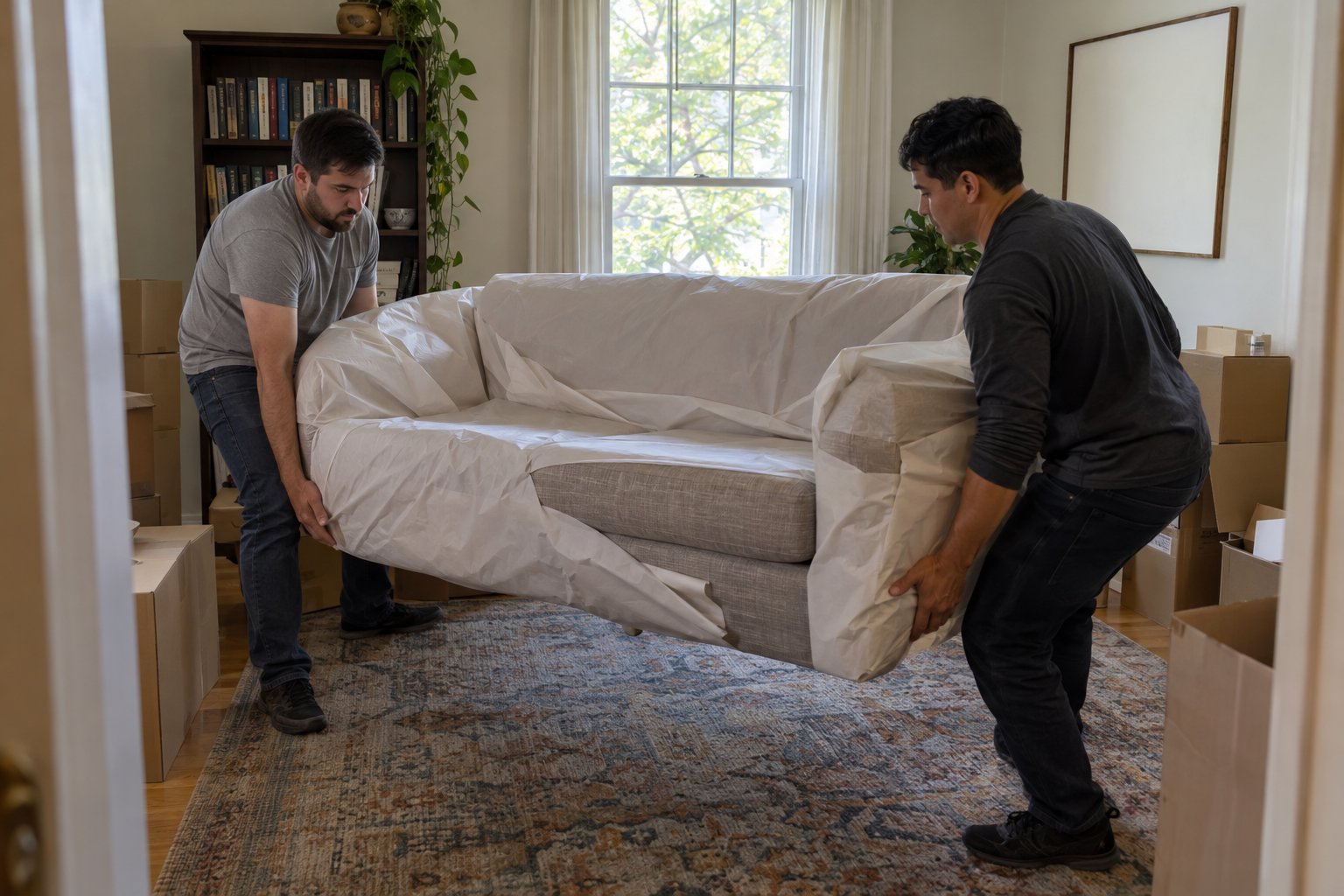
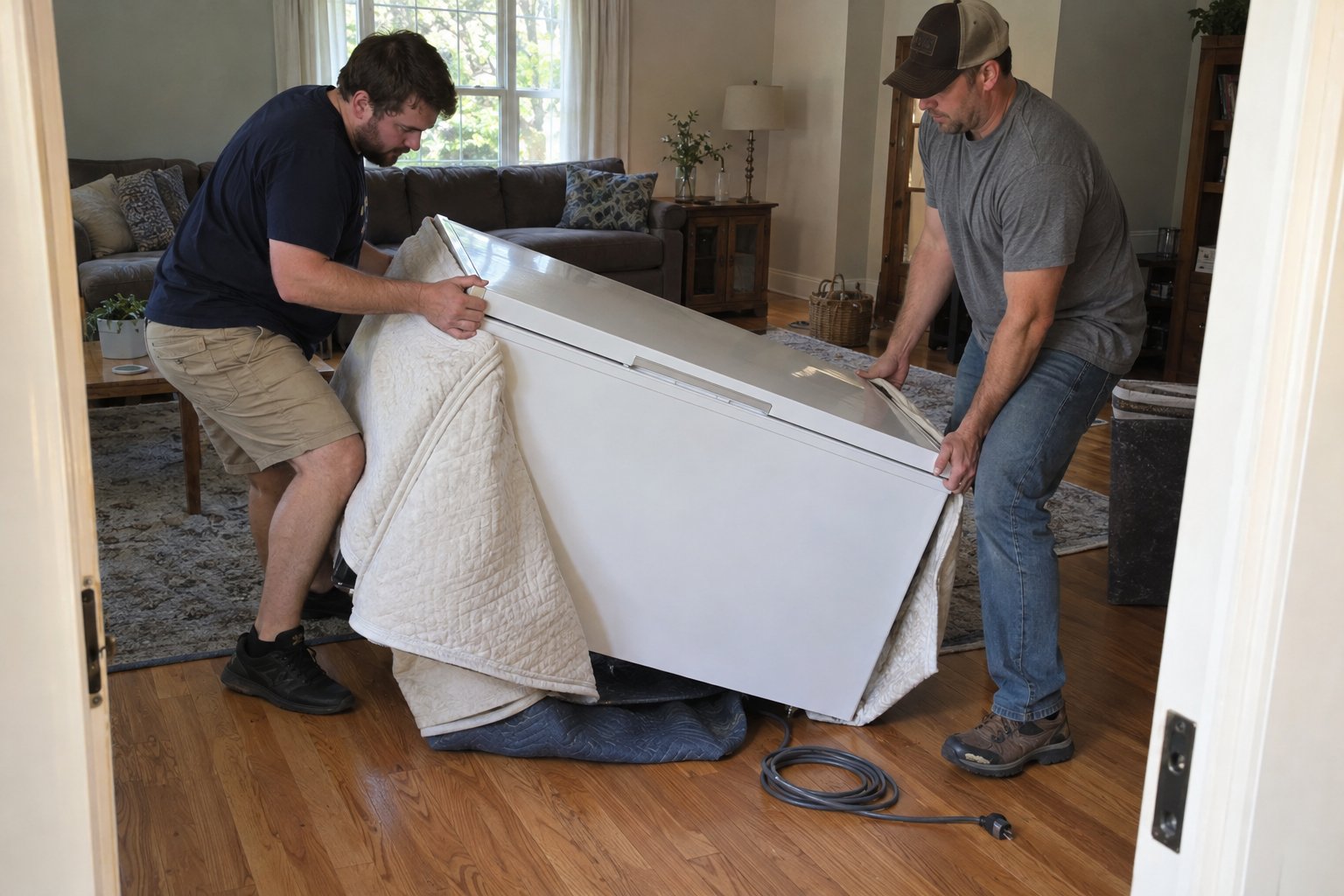
Creating an organized home library transforms a chaotic collection of books into a functional, beautiful space that celebrates your love of reading. Whether you own 90 books or several thousand volumes, implementing a thoughtful organization system helps you locate titles quickly, prevents duplicate purchases, and creates an inviting environment that encourages regular reading. The process of organizing a home library goes beyond simply arranging books on shelves; it often coincides with major life changes such as decluttering, redesigning rooms, or preparing for a move using professional local moving services that understand how to protect valued collections.
Assess Your Current Book Collection
Before diving into organization, take inventory of everything you own. Pull books from all locations throughout your home, including obvious spots like bookshelves plus hidden collections in closets, under beds, in storage boxes, and scattered across nightstands. Gathering everything in one place provides a clear picture of your collection's size and helps you identify duplicates, books you no longer want, and gaps in your storage capacity.
Sort your books into broad categories as you gather them. Create distinct piles for fiction, nonfiction, reference books, children's books, and any specialty collections you maintain. This initial sorting makes subsequent organization easier and helps you understand the composition of your library.
Evaluate and Curate Your Collection
Not every book deserves permanent space in your home library. As you sort through your collection, ask yourself honest questions about each title: Will I read this again? If I haven't read it yet, will I realistically get to it? Does this book bring me joy or serve a practical purpose?
Create separate piles for books you plan to keep, donate, sell, or discard. Public libraries and Little Free Libraries are excellent donation options, while used bookstores may purchase newer titles in good condition.
Choose Your Organizational System
Multiple organizational methods exist for home libraries. Alphabetical arrangement by author creates a classic library feel, while genre-based systems help readers select books by mood or topic. Hybrid systems often work best—such as alphabetizing fiction while organizing nonfiction by subject.
Protecting and Handling Books Properly
When organizing, storing, or relocating your collection, proper handling is essential. Large or valuable libraries benefit from careful packing techniques, quality materials, and structured labeling. Professional movers experienced in specialty item moving understand how to protect book spines, prevent moisture exposure, and safely transport heavy collections without damage to shelves or flooring.
Optimize Your Shelving Arrangement
Place frequently accessed books at eye level, store heavier volumes on lower shelves, and use vertical space efficiently with floor-to-ceiling shelving. Ensure shelves are anchored securely—books are deceptively heavy and require structural support for safety.
Balance Books with Decorative Elements
Incorporate décor such as framed photos, bookends, or small sculptures to create visual interest. Mixing vertical and horizontal stacks helps break up monotony while maintaining functionality.
Maintain and Plan for Growth
Even the best system requires upkeep. Reassess your library annually, track loaned books, and leave space for future additions. Planning ahead prevents clutter and reduces the need for frequent reorganization.
Transform Your Space During Life Transitions
Relocating presents the perfect opportunity to reassess and redesign your home library. Moving forces you to handle each book individually, making it easier to curate intentionally. Large libraries, home offices, and multi-room collections often benefit from professional commercial moving services that provide structured packing, inventory management, and efficient setup in your new space.
When Your Library Needs a Fresh Start
Life transitions often create the ideal moment to reimagine your home library. Men on Mission understands that books are more than belongings—they are personal investments in knowledge, comfort, and growth. Our experienced team packs and transports collections with precision, making unpacking and reshelving simple and stress-free.
Whether you’re moving a modest reading nook or a sprawling personal library, we bring the expertise, care, and purpose-driven service that sets us apart. As proud partners with Global Seeds of Hope, every move supports literacy initiatives in Uganda—extending the impact of your library beyond your home.
Planning a move with a substantial book collection? Contact Men on Mission at 719-357-9048 or email menonmissionllc@gmail.com for your free estimate. Visit www.menonmission.com to learn how we help book lovers transition their libraries safely and efficiently.
Have Questions About Your Move?

What is the best way to organize books in a home library?
The best organization method depends on how you interact with your books. Alphabetical by author works well for fiction lovers, while genre-based organization suits readers who choose books by mood. Many people use hybrid systems combining multiple methods that reflect their personal reading habits and collection.
Should I organize my books by color or by author for better functionality?
Organize by author or genre for functionality, as these systems help you locate specific titles quickly. Color organization creates beautiful visual displays but makes finding particular books harder unless you remember cover colors. Consider your priorities: aesthetics versus easy retrieval when making this choice.
How do I catalog a home library of around 90 books efficiently?
Use free apps like Libib or LibraryThing that offer barcode scanning for quick entry of modern books with ISBNs. For older titles, manual entry takes more time but builds a searchable database. Even a simple spreadsheet listing titles, authors, and genres helps track your collection and prevent duplicate purchases.
What should I do with books I no longer want when organizing my library?
Donate books to public libraries, Little Free Libraries, or local charities after confirming they accept donations. Sell books in good condition to used bookstores for cash or credit. Consider hosting a book swap with friends or listing titles on book exchange websites where readers trade books they own.
How can I create a home library in a small space without dedicated room?
Maximize vertical space with tall, narrow bookcases reaching toward ceilings. Use corner shelving, floating wall shelves, and the space above doorways for additional storage. Consider multi-functional furniture with built-in book storage and install shelving in underutilized areas like hallways or closet backs.