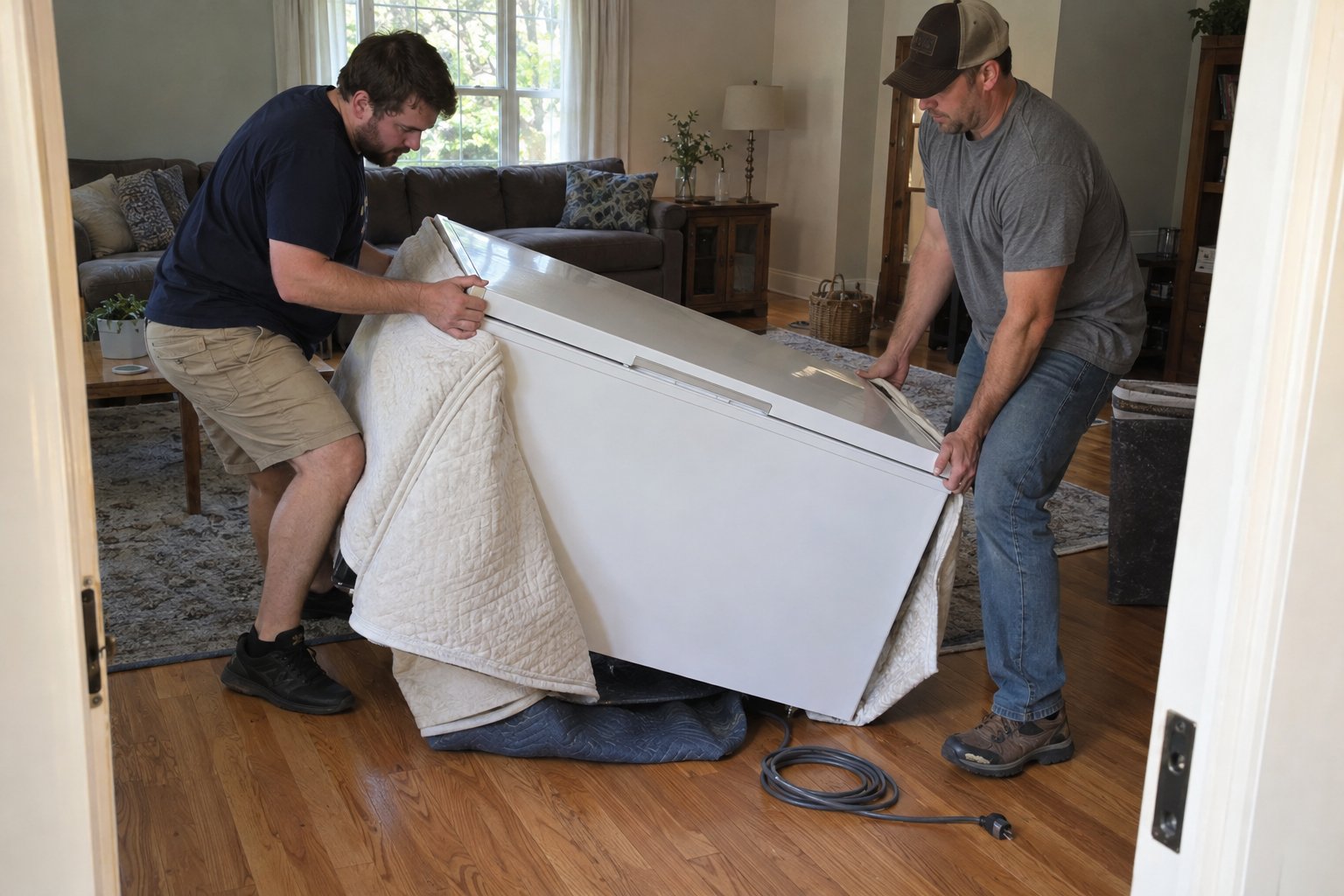
Planning a cross-country move represents one of the most complex logistical challenges you'll face in life, requiring careful coordination of numerous tasks over several weeks. Unlike local relocations that might take just a day or two, cross-country moves involve transporting your belongings hundreds or thousands of miles, navigating different time zones, and managing the uncertainty that comes with long-distance travel. Whether you're comparing local and long-distance moving services or preparing for a full interstate relocation, understanding how to plan a cross-country move effectively transforms this potentially overwhelming process into an organized, manageable journey that sets you up for success in your new location.
Establish Your Moving Timeline Early
The foundation of any successful cross-country move begins with creating a comprehensive timeline at least 8 to 12 weeks before your moving date. Starting early provides ample time to research moving companies, compare prices, and secure your preferred dates before peak moving season fills up available slots. This extended preparation period allows you to break down the entire relocation into weekly goals and manageable tasks rather than facing a last-minute scramble.
Work backward from your target move date to establish key milestones and deadlines. Identify when you need to start packing different rooms, schedule utility transfers, confirm travel arrangements, and complete address changes. Building buffer time into your schedule accommodates unexpected delays caused by weather, business conflicts, or unforeseen personal obligations without disrupting your entire timeline. This flexibility proves invaluable when dealing with the unpredictability inherent in long-distance relocations.
Create a Realistic Moving Budget
Cross-country moves can be costly, with average expenses ranging from $4,400 to $17,000 depending on the size of your home and distance traveled. Establishing a detailed budget early in the planning process helps you understand total costs and make informed decisions about which services to include. Factor in professional moving fees, packing supplies, travel expenses, temporary lodging, meals during transit, and potential storage costs if your move-in date doesn't align perfectly with your move-out date.
Contact at least three reputable moving companies to obtain accurate estimates that inform your budget planning. The size of your home significantly impacts costs, as more rooms typically mean more furniture, belongings, packing materials, and moving truck space. For moves spanning 200 miles or more, expect additional charges for fuel, travel time, and potential state line crossings that affect insurance requirements. Include a contingency fund of 10 to 15 percent to cover unexpected expenses that inevitably arise during complex relocations.
Decide Between Professional Movers and DIY Options
One of your first major decisions involves determining whether to hire professional movers or handle the relocation yourself. Full-service moving companies manage every aspect of your move, from packing and loading to transportation and unpacking at your destination. While this option costs more upfront, professional movers bring experience, appropriate equipment, and insurance coverage that protects your belongings throughout the journey.
DIY moves using rental trucks appear cheaper initially but require significantly more time, physical effort, and coordination. You'll need to recruit friends or family to help with loading and unloading, drive the truck yourself across potentially unfamiliar routes, and arrange separate transportation for your vehicle. Consider your budget, physical capabilities, time constraints, and the value of your belongings when making this decision.
Protect Fragile and Valuable Items
Items requiring extra care demand special packing techniques for cross-country transport. Use smaller boxes for fragile items like dishes and glassware to prevent overloading and reduce the risk of breakage. Wrap each delicate item individually with bubble wrap or packing paper, and fill empty spaces in boxes with cushioning material to prevent shifting during transit.
For artwork, antiques, safes, or oversized valuables, consider specialty items that require custom handling. Professional movers can provide custom crating, reinforced packaging, and handling protocols designed to protect high-value belongings over long distances. Ensuring proper protection minimizes risk and provides peace of mind throughout your cross-country move.
Prepare an Essentials Bag and Box
Pack a duffle bag or suitcase with personal items you'll need immediate access to during your move. This essentials bag should include important documents, medications, phone chargers, basic toiletries, a couple changes of clothes, and any items you cannot risk losing or having delayed. Keep this bag with you in your personal vehicle rather than loading it on the moving truck.
Separately prepare an essentials box containing items you'll need immediately upon arriving at your new home. Stock it with paper towels, toilet paper, hand soap, water bottles, paper plates, plastic utensils, basic tools, and cleaning supplies. This open-first box saves you from searching through multiple containers on your first night when you're exhausted from travel.
Prepare for Moving Day and Arrival
Confirm all details with your moving company a few days before your scheduled move date. Verify arrival times, payment methods, and any last-minute instructions. Clear pathways and ensure parking availability for the moving truck to prevent delays.
Upon arrival, inspect your belongings as they’re unloaded, document any damage, and ensure boxes are placed in their designated rooms. Proper supervision ensures accountability and speeds up the unpacking process.
Navigate Your Cross-Country Transition with Confidence
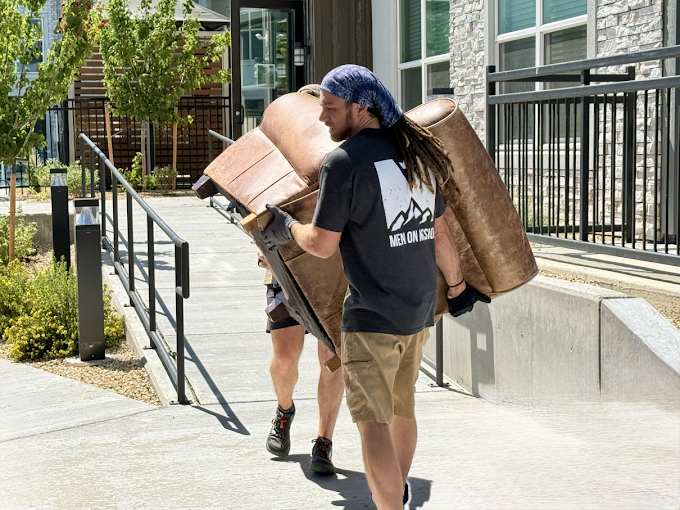
Men on Mission brings the experience and dedication needed to make your cross-country relocation as smooth as possible. Our team supports everything from residential moves to full-scale commercial moving solutions for businesses relocating across state lines. We understand that moving long distance involves more than transportation—it requires planning, precision, and trust.
We offer flexible moving solutions tailored to your specific needs, using premium packing materials and proven handling techniques to protect your belongings from start to finish. With transparent pricing and dedicated customer support, your move stays organized, efficient, and stress-free.
Begin your cross-country adventure with a moving partner you can trust. Reach out to Men on Mission at 719-357-9048 or email menonmissionllc@gmail.com for your free, no-obligation estimate. Visit www.menonmission.com to discover how our professional relocation services transform complex moves into seamless transitions.
Have Questions About Your Move?
When should I start planning my cross-country move to ensure everything goes smoothly?
Begin planning your cross-country move at least 8 to 12 weeks before your target moving date. This timeline provides adequate time to research and book moving companies, declutter belongings, gather packing supplies, and complete all necessary administrative tasks without last-minute stress or rushed decisions.
How much does a cross-country move typically cost and what factors affect the price?
Cross-country moves average between $4,400 and $17,000 depending on home size, distance, and services selected. Factors affecting cost include the volume of belongings, mileage traveled, time of year, packing services, insurance coverage, and whether you choose full-service movers or handle aspects yourself.
Should I transport my most valuable items personally or pack them with the moving truck?
Transport irreplaceable valuables, important documents, medications, and sentimental items personally in your vehicle rather than on the moving truck. This eliminates risk of loss or damage during the long journey and ensures you maintain control over your most precious possessions throughout the relocation.
What items should I pack in my essentials bag for a cross-country move?
Pack important documents, prescription medications, phone chargers, toiletries, changes of clothes for several days, snacks, water, and any items you cannot risk losing. Keep this bag in your personal vehicle for immediate access during travel rather than loading it on the moving truck with other belongings.
How do I choose between hiring professional movers and doing a DIY cross-country move?
Consider your budget, physical capabilities, time constraints, and belongings value when deciding. Professional movers provide experience, equipment, and insurance protection that justify higher costs for most cross-country relocations. DIY moves require significant time, effort, and coordination for modest savings.