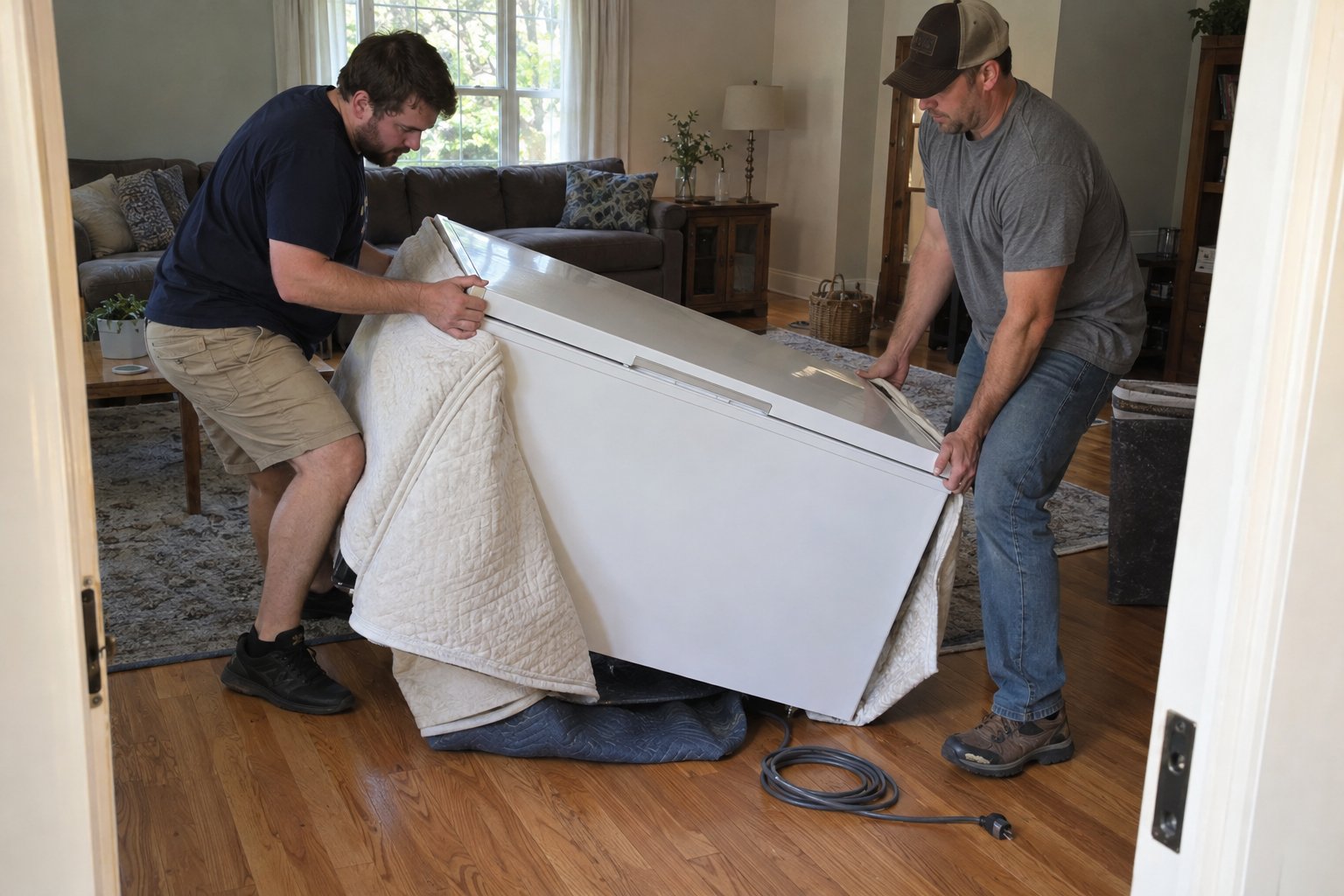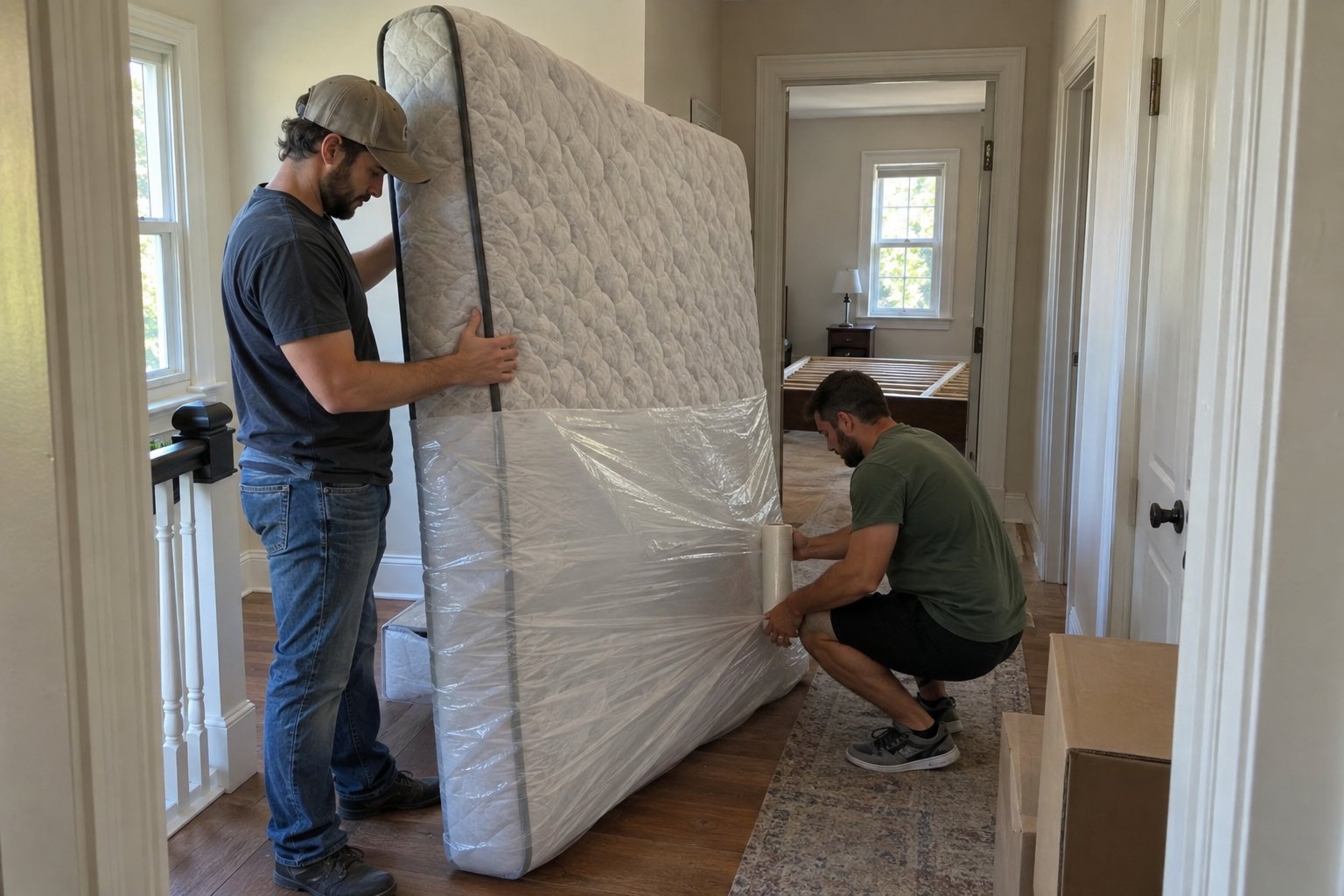
Figuring out how to move to another state comes down to four things: timing the move correctly, choosing a mover who is licensed for interstate work, handling the paperwork that in-state moves never require, and building a realistic budget around a quote in writing. Miss any one of these and the move gets expensive or chaotic fast. This guide walks through each piece in the order you will actually need it.
An out-of-state move is a different animal from a move across town. You are not just relocating furniture, you are changing your driver's license, your voter registration, sometimes your kids' school enrollment, and occasionally your tax residency. The logistics side (trucks, boxes, loading) is the easy part. The administrative side is where most people get caught flat-footed.
How Far in Advance Should You Start Planning an Interstate Move?
Start serious planning eight to twelve weeks before your move date if possible, and never less than four. Interstate movers book up during peak season (late spring through early fall) and the good ones fill their calendars weeks out. Waiting until the last minute limits your choice of movers and your choice of dates.
Within that window, the first two weeks should be spent getting written quotes from a handful of companies, not just phone estimates. Ask specifically whether the company is licensed for interstate transport, since that is a separate authorization from local moving licensure in most states. Once you have a mover booked, everything else (utility transfers, school paperwork, address changes) can be scheduled against that confirmed date.
Why Your Moving Date Matters More for a State-to-State Move
A long-distance move date affects pricing and availability in a way a local move does not, because your shipment may be combined with other households on the same truck route. Being flexible by even a few days can open up better rates and tighter delivery windows. If your schedule allows it, ask your mover which dates in your target window tend to be less booked.
What Paperwork Do You Need Before Moving to a New State?
Before move day, you need a plan for your driver's license, vehicle registration, voter registration, and any professional licenses that do not automatically transfer across state lines. Most states give new residents a window (often 30 to 90 days) to complete these changes, and the clock usually starts the day you establish residency, not the day the truck arrives.
Make a short list before you leave your old state: current driver's license, vehicle title and registration, school records if you have kids, medical and veterinary records, and any professional licensure that requires reciprocity paperwork in the new state. Pulling these together while you still have easy access to your old state's offices is much simpler than trying to request them remotely after you have moved.
Updating Your Address the Right Way
Submit a mail forwarding request with the postal service at least two weeks before your move, then update your address directly with your bank, employer, insurance providers, and any subscription services. Forwarding mail buys you time, but it is not a permanent fix, and important documents like tax forms can slip through the cracks if you rely on it alone.
How Do You Choose a Mover for a Long-Distance or Interstate Move?
Choose an interstate mover by verifying their licensing, reading recent reviews critically, and comparing written, itemized quotes rather than ballpark phone estimates. A legitimate interstate mover should be able to explain their valuation coverage options clearly and provide a quote that reflects an in-home or detailed virtual survey of your belongings, not a guess based on square footage alone.
If you are still deciding whether to hire full-service help at all, it is worth reading through our guide on how to choose between full-service movers and doing it yourself before you commit either way. For an interstate move specifically, the labor of loading a truck correctly for a long haul is harder to get right without experience, since items shift more over hundreds of miles than they do across town.
Once you have narrowed your options, request a written quote directly so you can compare real numbers side by side instead of relying on advertised rates that may not reflect your specific inventory or distance.
What Should You Pack Yourself vs. Leave to the Movers?
Pack a "first week" box yourself with essentials (medications, chargers, a few days of clothes, important documents) and let professional packers handle anything fragile, bulky, or awkward to transport over long distances. Items like artwork, electronics, and specialty furniture tend to travel better when packed by people who do it daily.
If your move includes anything unusual, like a gun safe, piano, or hot tub, these need specific handling that general household movers may not be equipped for. It is worth asking your mover directly whether they offer specialty item moving for pianos, gun safes, and hot tubs before assuming standard packing materials will do the job.
How Do You Keep an Interstate Move From Becoming Overwhelming?
Break the move into three phases: the weeks before (sorting, quotes, paperwork), the final week (packing, confirming logistics, forwarding mail), and the first few days after arrival (unpacking essentials, registering your vehicle, finding a doctor). Trying to hold the whole move in your head at once is how details get missed.
A written, dated checklist with deadlines tied to your actual move date keeps this manageable. If you have not built one yet, our guide on writing a moving checklist that keeps your relocation on track walks through how to structure one so nothing slips through.
It also helps to accept early on that something will not go exactly to plan. Weather delays trucks, paperwork offices have unpredictable wait times, and boxes occasionally go missing for a day. Building a little slack into your timeline, especially around the delivery window on the other end, saves a lot of unnecessary stress.
Budgeting for the Move Without Guessing
Interstate moving costs depend on weight, distance, timing, and the services you choose, and no two households pay the same amount. Rather than relying on rough online calculators, request a written moving quote based on your actual inventory so you can budget accurately instead of guessing.
Leave room in your budget for incidentals that are easy to forget: temporary lodging if your delivery window does not align with your closing date, a few days of takeout while your kitchen is still in boxes, and any state-specific registration fees for your vehicle or driver's license.
Frequently Asked Questions
How long does it typically take to move to another state?
Transit time depends on distance and the mover's route schedule, but many interstate moves deliver within a window of several days to two weeks after pickup. Ask your mover for their specific delivery window in writing before you book, since it affects how you plan lodging and work start dates.
Do I need to notify the DMV before or after I move to a new state?
Most states expect you to register your vehicle and apply for a new driver's license within a set window after you establish residency, typically 30 to 90 days. Check your new state's specific deadline as soon as you have a confirmed move date so you are not caught off guard.
Can I move to another state without hiring a full-service mover?
Yes, many people handle interstate moves with a rental truck or a hybrid option like a portable container, especially for smaller households. The tradeoff is that you take on the loading, driving, and liability yourself, so weigh that against the time and physical demands before deciding.
What is the biggest mistake people make when moving to another state?
Underestimating the paperwork side is the most common one. People plan carefully for the physical move but forget that driver's licenses, vehicle registration, and school enrollment all have their own deadlines and requirements in the new state.
Should I change my address before or after the move?
Submit your mail forwarding request before you leave, but wait until you have a confirmed new address to update accounts like your bank and employer. Updating too early with a temporary address just means redoing the paperwork later.
Figuring out how to move to another state comes down to four things: timing the move correctly, choosing a mover who is licensed for interstate work, handling the paperwork that in-state moves never require, and building a realistic budget around a quote in writing. Miss any one of these and the move gets expensive or chaotic fast. This guide walks through each piece in the order you will actually need it.
An out-of-state move is a different animal from a move across town. You are not just relocating furniture, you are changing your driver's license, your voter registration, sometimes your kids' school enrollment, and occasionally your tax residency. The logistics side (trucks, boxes, loading) is the easy part. The administrative side is where most people get caught flat-footed.
How Far in Advance Should You Start Planning an Interstate Move?
Start serious planning eight to twelve weeks before your move date if possible, and never less than four. Interstate movers book up during peak season (late spring through early fall) and the good ones fill their calendars weeks out. Waiting until the last minute limits your choice of movers and your choice of dates.
Within that window, the first two weeks should be spent getting written quotes from a handful of companies, not just phone estimates. Ask specifically whether the company is licensed for interstate transport, since that is a separate authorization from local moving licensure in most states. Once you have a mover booked, everything else (utility transfers, school paperwork, address changes) can be scheduled against that confirmed date.
Why Your Moving Date Matters More for a State-to-State Move
A long-distance move date affects pricing and availability in a way a local move does not, because your shipment may be combined with other households on the same truck route. Being flexible by even a few days can open up better rates and tighter delivery windows. If your schedule allows it, ask your mover which dates in your target window tend to be less booked.
What Paperwork Do You Need Before Moving to a New State?
Before move day, you need a plan for your driver's license, vehicle registration, voter registration, and any professional licenses that do not automatically transfer across state lines. Most states give new residents a window (often 30 to 90 days) to complete these changes, and the clock usually starts the day you establish residency, not the day the truck arrives.
Make a short list before you leave your old state: current driver's license, vehicle title and registration, school records if you have kids, medical and veterinary records, and any professional licensure that requires reciprocity paperwork in the new state. Pulling these together while you still have easy access to your old state's offices is much simpler than trying to request them remotely after you have moved.
Updating Your Address the Right Way
Submit a mail forwarding request with the postal service at least two weeks before your move, then update your address directly with your bank, employer, insurance providers, and any subscription services. Forwarding mail buys you time, but it is not a permanent fix, and important documents like tax forms can slip through the cracks if you rely on it alone.
How Do You Choose a Mover for a Long-Distance or Interstate Move?
Choose an interstate mover by verifying their licensing, reading recent reviews critically, and comparing written, itemized quotes rather than ballpark phone estimates. A legitimate interstate mover should be able to explain their valuation coverage options clearly and provide a quote that reflects an in-home or detailed virtual survey of your belongings, not a guess based on square footage alone.
If you are still deciding whether to hire full-service help at all, it is worth reading through our guide on how to choose between full-service movers and doing it yourself before you commit either way. For an interstate move specifically, the labor of loading a truck correctly for a long haul is harder to get right without experience, since items shift more over hundreds of miles than they do across town.
Once you have narrowed your options, request a written quote directly so you can compare real numbers side by side instead of relying on advertised rates that may not reflect your specific inventory or distance.
What Should You Pack Yourself vs. Leave to the Movers?
Pack a "first week" box yourself with essentials (medications, chargers, a few days of clothes, important documents) and let professional packers handle anything fragile, bulky, or awkward to transport over long distances. Items like artwork, electronics, and specialty furniture tend to travel better when packed by people who do it daily.
If your move includes anything unusual, like a gun safe, piano, or hot tub, these need specific handling that general household movers may not be equipped for. It is worth asking your mover directly whether they offer specialty item moving for pianos, gun safes, and hot tubs before assuming standard packing materials will do the job.
How Do You Keep an Interstate Move From Becoming Overwhelming?
Break the move into three phases: the weeks before (sorting, quotes, paperwork), the final week (packing, confirming logistics, forwarding mail), and the first few days after arrival (unpacking essentials, registering your vehicle, finding a doctor). Trying to hold the whole move in your head at once is how details get missed.
A written, dated checklist with deadlines tied to your actual move date keeps this manageable. If you have not built one yet, our guide on writing a moving checklist that keeps your relocation on track walks through how to structure one so nothing slips through.
It also helps to accept early on that something will not go exactly to plan. Weather delays trucks, paperwork offices have unpredictable wait times, and boxes occasionally go missing for a day. Building a little slack into your timeline, especially around the delivery window on the other end, saves a lot of unnecessary stress.
Budgeting for the Move Without Guessing
Interstate moving costs depend on weight, distance, timing, and the services you choose, and no two households pay the same amount. Rather than relying on rough online calculators, request a written moving quote based on your actual inventory so you can budget accurately instead of guessing.
Leave room in your budget for incidentals that are easy to forget: temporary lodging if your delivery window does not align with your closing date, a few days of takeout while your kitchen is still in boxes, and any state-specific registration fees for your vehicle or driver's license.
Have Questions About Your Move?

How long does it typically take to move to another state?
Transit time depends on distance and the mover's route schedule, but many interstate moves deliver within a window of several days to two weeks after pickup. Ask your mover for their specific delivery window in writing before you book, since it affects how you plan lodging and work start dates.
Do I need to notify the DMV before or after I move to a new state?
Most states expect you to register your vehicle and apply for a new driver's license within a set window after you establish residency, typically 30 to 90 days. Check your new state's specific deadline as soon as you have a confirmed move date so you are not caught off guard.
Can I move to another state without hiring a full-service mover?
Yes, many people handle interstate moves with a rental truck or a hybrid option like a portable container, especially for smaller households. The tradeoff is that you take on the loading, driving, and liability yourself, so weigh that against the time and physical demands before deciding.
What is the biggest mistake people make when moving to another state?
Underestimating the paperwork side is the most common one. People plan carefully for the physical move but forget that driver's licenses, vehicle registration, and school enrollment all have their own deadlines and requirements in the new state.
Should I change my address before or after the move?
Submit your mail forwarding request before you leave, but wait until you have a confirmed new address to update accounts like your bank and employer. Updating too early with a temporary address just means redoing the paperwork later.