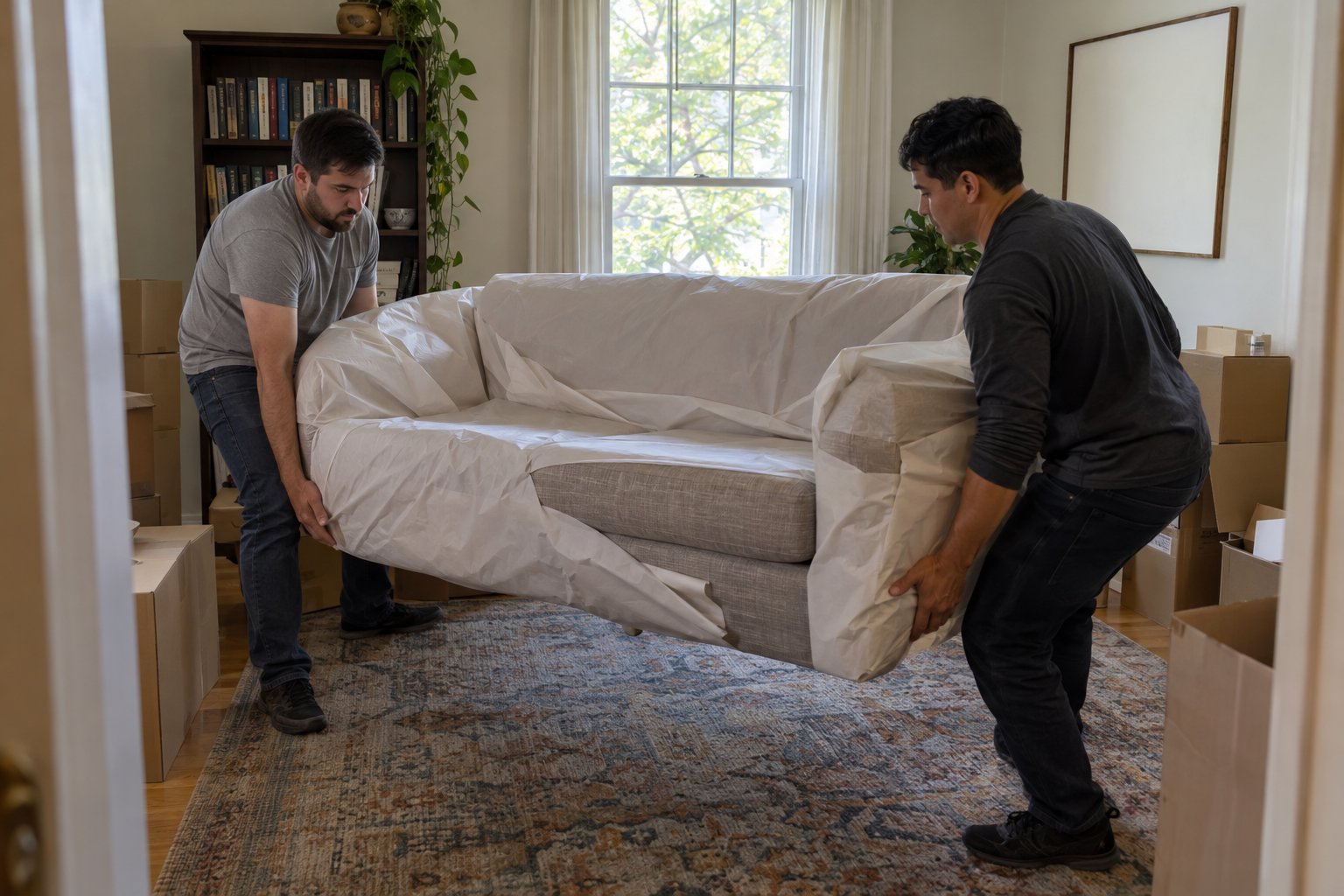
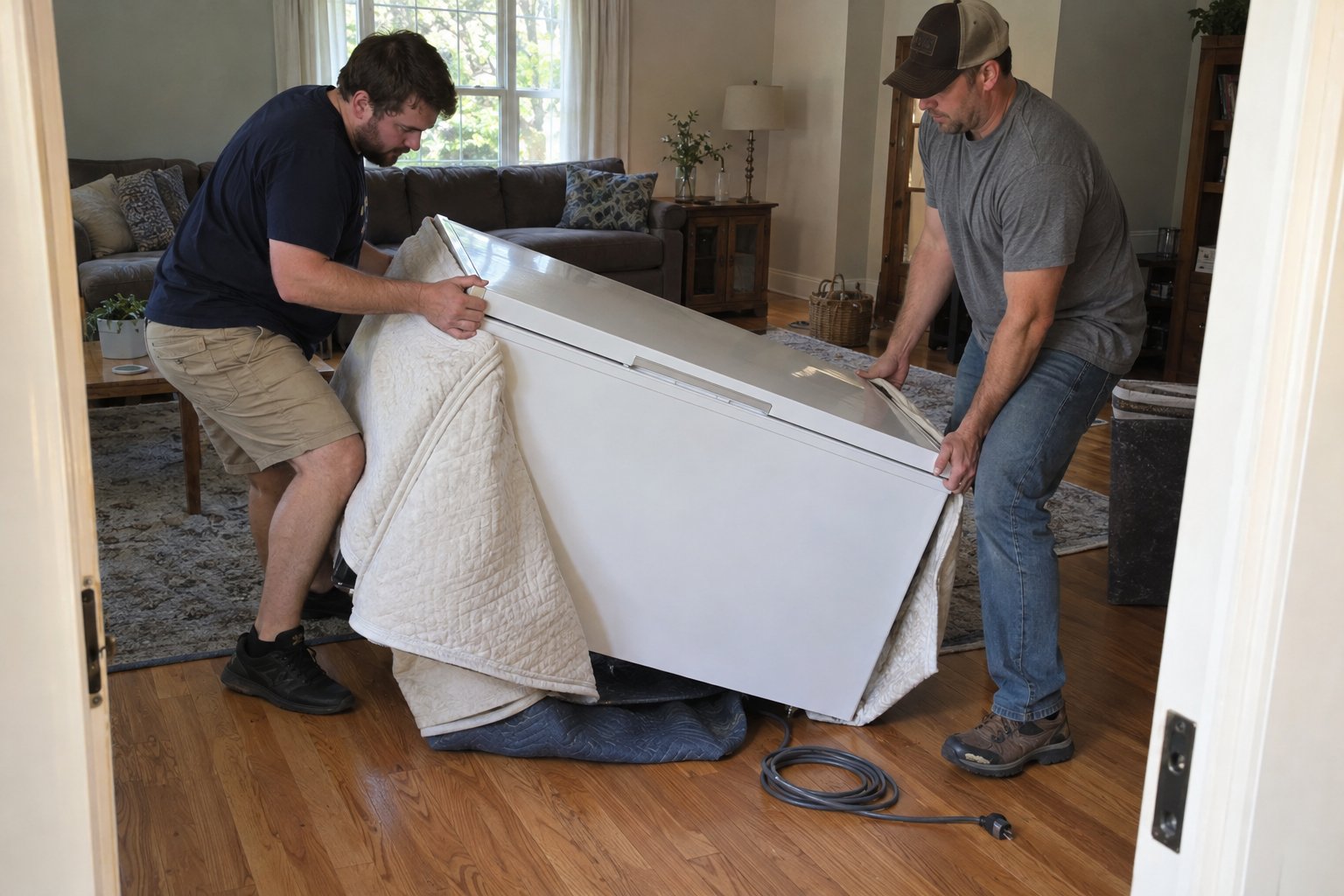
Whether you are moving, downsizing, or simply storing extra belongings, knowing how to organize a storage unit can save you money, time, and stress. A cluttered or poorly arranged unit leads to frustration and wasted space. On the other hand, a well-structured storage unit allows you to find items quickly, protect belongings, and maximize every inch of space.
If you live in Colorado Springs, CO and need professional assistance with packing, storage, or relocation, Men on Mission provides trusted professional moving, packing, and storage services to help you move and store items safely. In this comprehensive guide, we will walk you step by step through how to organize your storage unit effectively.
Why Storage Unit Organization Matters
Before packing anything into a storage unit, it is important to understand why organization is essential:
- Saves time when retrieving items
- Protects furniture and fragile belongings
- Maximizes available storage space
- Prevents moisture and pest damage
- Reduces frustration during future access
- Helps with long-term planning and rotation
A storage unit is more than just a place to leave boxes. When organized correctly, it acts as an extension of your home and helps reduce clutter inside your living space.
Step 1: Choose the Right Storage Unit Size
Understanding how to organize a storage unit begins with selecting the correct size. Units range from small 5x5 spaces to large 10x20 sizes and beyond. Too small, and your belongings will feel cramped. Too large, and you pay for space you do not use.
Consider storage unit size based on:
- Number of boxes
- Furniture size and quantity
- How often you will access items
- Seasonal or long-term needs
- Whether shelving will be added
A simple rule is to measure bulky furniture and estimate box volume before choosing a unit. Planning early helps avoid rearranging later.
Step 2: Create an Inventory List Before Moving Items
Before moving items into storage, make a detailed list of everything you plan to store. This helps you locate belongings easily and determine the best storage layout.
Your inventory list should include:
- Box numbers and contents
- Furniture descriptions
- Fragile item markings
- Items requiring climate control
- Priority level for access
You can use a spreadsheet, moving app, or notebook. The more detail you include, the easier it will be to retrieve items later.
Step 3: Declutter Before Storing
One of the most important steps in organizing a storage unit is removing unnecessary items. Storing things you no longer use creates clutter and wastes valuable space.
Ask yourself:
- Do I plan to use this again?
- Is it cheaper to replace than store?
- Is it broken, damaged, or outdated?
- Does it hold long-term value?
Donate, recycle, or sell items that are not needed. Keeping only useful belongings makes organization faster and more efficient.
Step 4: Use the Right Packing Materials
Quality packing materials protect your belongings and help you stack items safely. Cheap boxes or thin tape can collapse over time. Use strong, well-labeled containers that are uniform in size.
Recommended packing supplies include:
- Heavy-duty boxes
- Clear plastic bins for visibility
- Packing tape and labels
- Bubble wrap or foam sheets
- Furniture covers
- Zip bags for hardware
- Shelving racks or stackable units
Avoid random box sizes. Uniform boxes allow better stacking and stability.
Step 5: Label Boxes Clearly
Labeling is one of the most effective ways to keep a storage unit organized. Use large, readable labels on multiple sides of each box. Include room name, description, and any fragile markings. Color coding by category or room can also make retrieval faster.
Example label format:
- Box 1: Kitchen cookware
- Box 2: Bedroom linens
- Box 3: Office supplies
- Box 4: Holiday decorations
With good labeling, you never need to dig through random boxes again.
Step 6: Create a Floor Plan or Storage Layout
Before placing items inside your unit, sketch a simple layout plan. Assign zones for different item categories and determine where shelves or furniture will go. Leave a central path for easy access.
This step is especially important for businesses storing office furniture or inventory, or anyone planning a relocation that involves commercial moving services. Proper planning prevents unnecessary shifting and damage later on.
Smart layout tips:
- Place frequently used items near the front
- Store furniture vertically to save space
- Use walls for vertical shelving
- Keep fragile items off the floor
- Leave space for future additions
A floor plan keeps your unit organized for months or even years.
Step 7: Use Shelving to Maximize Space
Vertical space is often unused in storage units. Adding shelves can double your available area and help you safely stack items. Metal or plastic shelving is best, as it can handle weight and resist moisture.
Shelving works well for:
- Tools and equipment
- Office supplies
- Cleaning products
- Décor items
- Kitchenware
- Sports gear
Stacking boxes without support can lead to damage. Shelves keep everything visible and stable.
Step 8: Store Items Strategically
To organize your storage unit properly, place items based on accessibility:
- Front of the unit: Daily or seasonal items
- Middle area: Medium-use items
- Back of the unit: Rarely used storage
Store furniture upright to reduce space. Use drawers or dressers as storage containers by placing sealed bags inside instead of leaving them empty.
Step 9: Protect Fragile Items
Fragile items should be wrapped carefully and stored off the ground. Avoid stacking heavy boxes on top of delicate belongings. Use padding between boxes and ensure no sharp objects are resting against soft surfaces.
Placing fragile items near walls or shelves reduces the risk of damage. Mirrors, artwork, and valuables may also require specialty item moving and storage to ensure maximum protection during transport and long-term storage.
Step 10: Maintain the Organization Over Time
Keeping the unit organized after moving in is just as important as the initial setup. Perform occasional checks to rotate seasonal items, replace damaged boxes, and verify inventory. Clean the unit if needed and monitor for moisture or pest issues.
By maintaining structure, you prevent clutter and avoid forgetting what is inside the unit.
Climate-Controlled Storage: When It Matters
Some items need extra protection from humidity and temperature changes. A climate-controlled unit may be necessary if you are storing:
- Electronics
- Artwork
- Leather furniture
- Musical instruments
- Photographs or documents
- Antiques
Temperature control protects sensitive belongings from cracking, warping, drying, or mold growth.
Safety Tips for Storage Units
Safety is an essential part of organization. Keep the floor clear and avoid unstable stacking. Do not store food or anything that attracts pests. Use heavy-duty locks and review facility security features.
Lighting, access hours, surveillance, and gate systems should also be considered when choosing a storage unit.
If you need reliable help with storage unit preparation, packing, or moving in Colorado Springs, Men on Mission is ready to assist. You may email menonmissionllc@gmail.com or call 719-357-9048 to get started.
Have Questions About Your Move?
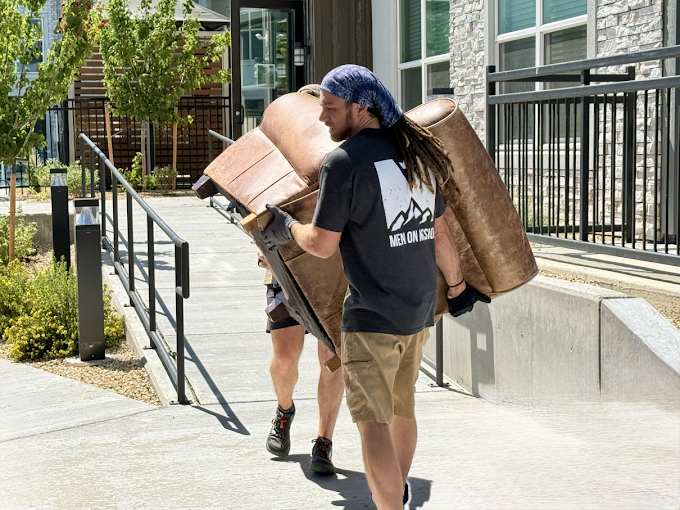
What is the best way to organize a storage unit?
Start by decluttering and creating an inventory list. Use strong boxes and label them clearly. Add shelving to use vertical space and store frequently used items near the front. A floor plan helps make the unit organized and easy to access anytime.
How do I choose the right storage unit size?
Estimate how many boxes and large items you plan to store. Measure furniture and check if shelving will be added. It is better to choose a slightly larger unit than struggle with space limitations. Planning size early prevents repacking and wasted effort.
What packing supplies should I use for a storage unit?
Use heavy duty boxes packing tape bubble wrap and clear bins for visibility. Furniture covers and shelving racks help protect items and increase space. Avoid random box sizes and make sure all containers are labeled well to keep your storage unit organized.
Why is labeling important in storage organization?
Labels make it easier to find items quickly without opening multiple boxes. Including room name contents and fragile notices helps save time when retrieving items. A clear labeling system keeps your unit structured and prevents confusion while organizing.
Should I use shelves in my storage unit?
Yes shelving is one of the best ways to maximize vertical space and keep items safe from damage. Shelves improve visibility reduce stacking risks and make retrieval easier. They are especially helpful for tools decorations office supplies and seasonal storage.