How to Pack a Moving Truck Like a Professional
Learn how to pack a moving truck the right way — protecting your belongings, maximizing space, and making unloading faster with tips from Men on Mission.
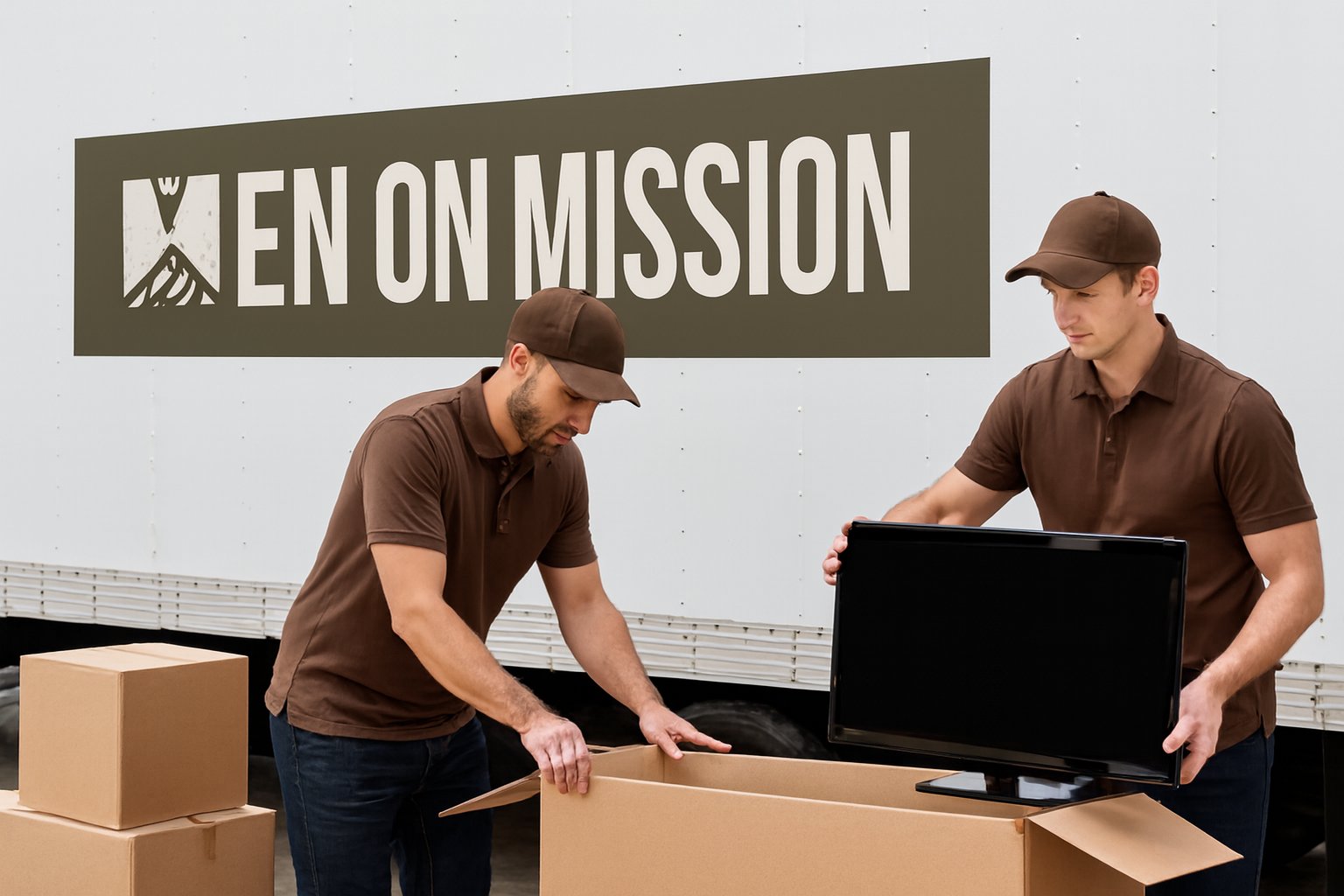
Knowing how to pack a moving truck correctly can mean the difference between a smooth relocation and arriving at your new home with broken furniture and damaged boxes. Yet most people load a truck the same way they load a car — haphazardly and without a plan. The result is wasted space, shifting cargo, and unnecessary stress on moving day.
If you would like professional help loading and transporting your belongings, call our team at 719-357-9048 to lock in your move date.
Whether you are tackling a local move across town or a long-distance relocation to a new state, the principles of loading a truck are universal. A systematic approach to weight distribution, padding, and load order protects your items, saves fuel, and makes unloading far easier at the other end.
Gather Your Supplies Before You Start
Before you load a single box, make sure you have the right materials on hand. Attempting to pack a moving truck without proper padding and securing equipment almost guarantees damage. Here is what experienced movers keep within arm's reach throughout the loading process:
- Moving blankets and furniture pads — essential for wrapping hard furniture edges and protecting glass surfaces
- Ratchet straps and rope — used to anchor furniture and appliance stacks against the truck walls
- Stretch wrap or plastic wrap — holds drawers closed and protects upholstered items from dirt and scuffs
- Dollies and hand trucks — reduce injury risk and speed up the loading process significantly
- Packing tape and markers — for resealing any boxes that open and labeling fragile cargo
Having everything staged outside the truck before you begin allows you to work with a clear system rather than stopping to search for supplies mid-load. This preparation step alone can save thirty minutes or more on a typical household move.
Understand the Loading Zones Inside the Truck
Professional movers mentally divide the truck interior into three zones: the front wall zone, the middle zone, and the rear door zone. Understanding what belongs in each section is the foundation of how to pack a moving truck the right way.
Front Wall Zone: Heavy Items First
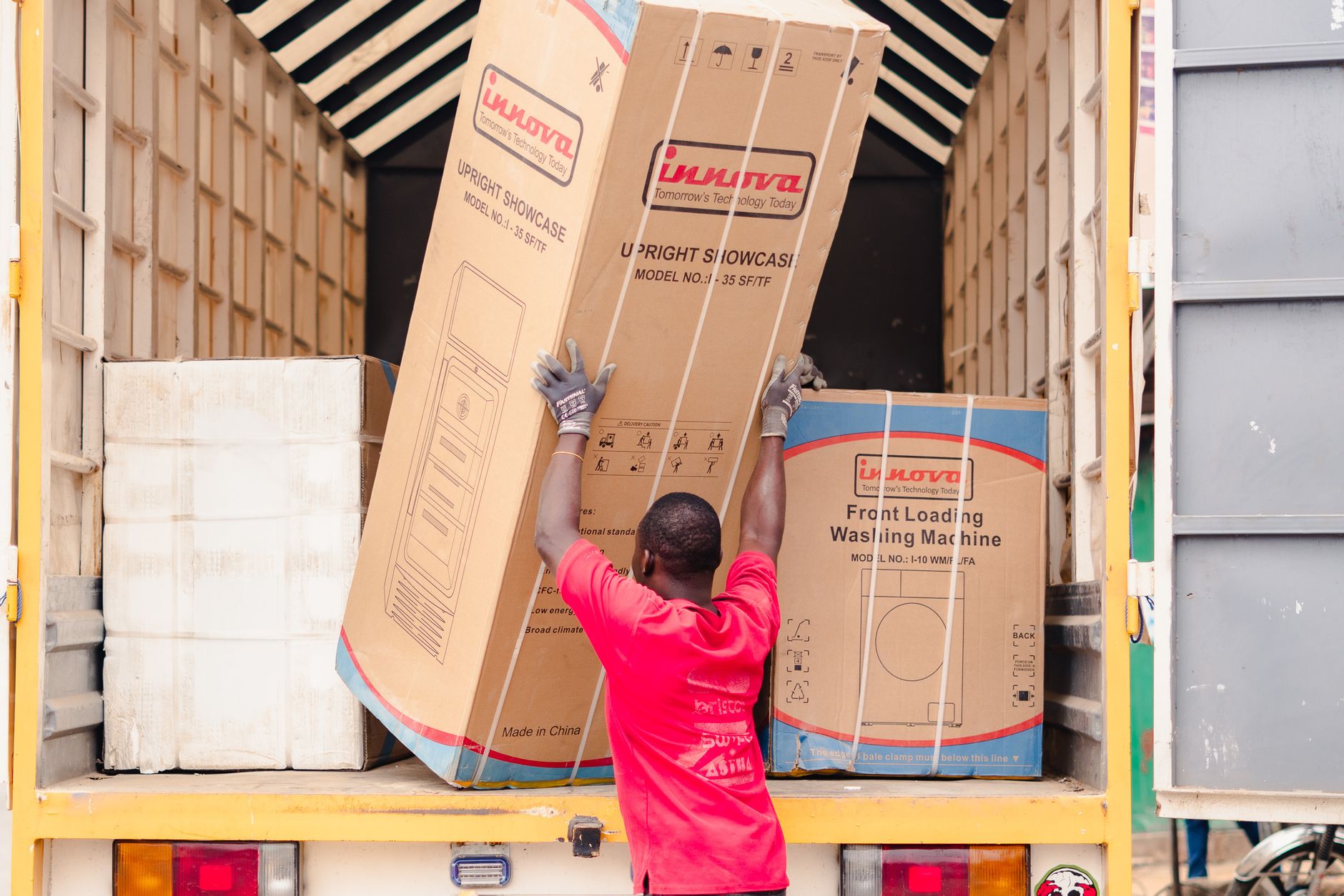
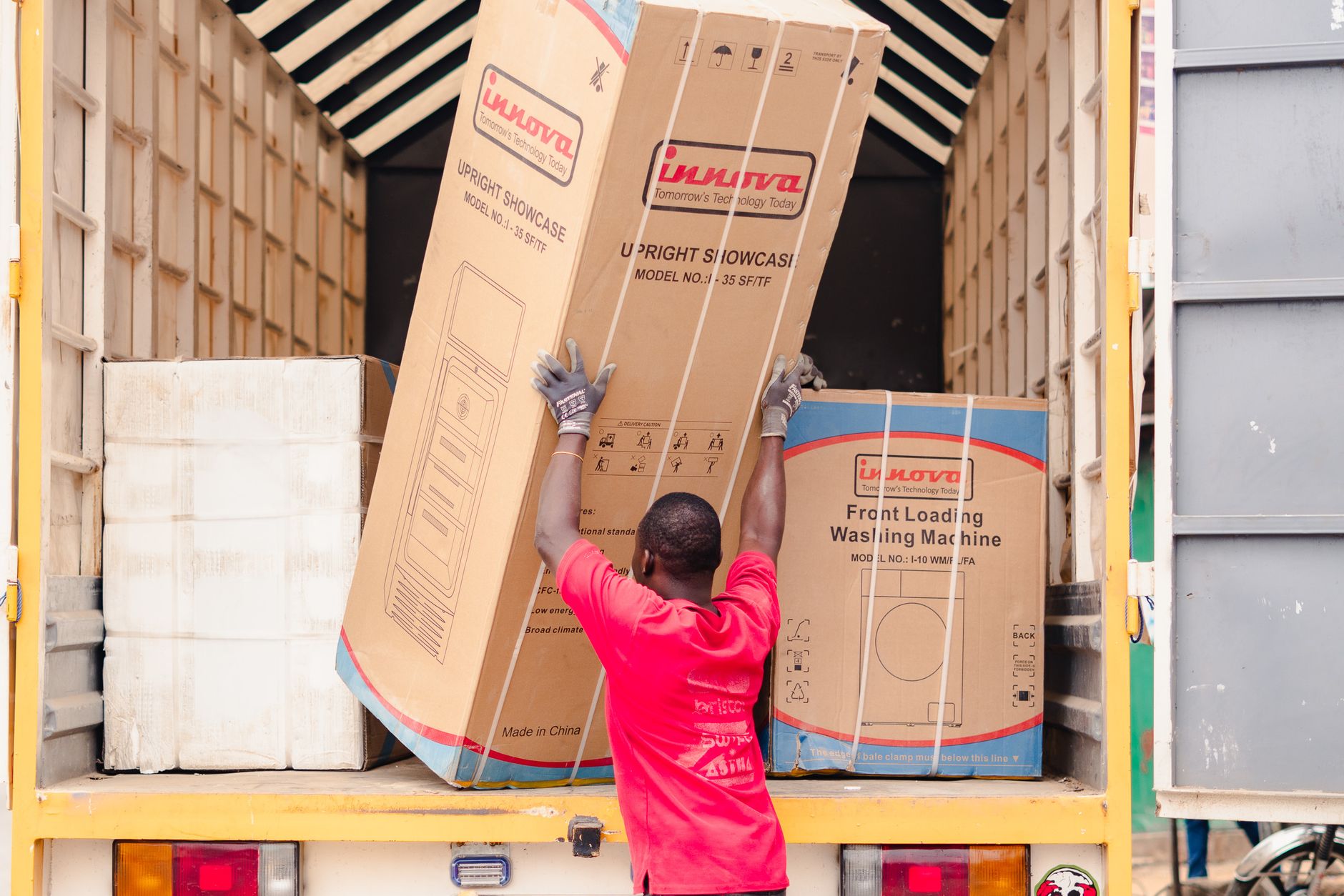
The front of the truck — the wall closest to the cab — is where your heaviest items should go. This includes large appliances such as refrigerators, washing machines, and dryers. It also includes solid wood furniture like dressers, wardrobes, and bookshelves. Placing weight at the front keeps the truck's center of gravity stable during braking and cornering, which reduces the risk of a dangerous load shift.
Stand all large furniture pieces upright against the front wall whenever possible. Lay mattresses flat against the side walls to act as a cushioning barrier for the items loaded in front of them. Always use straps to secure these heavy pieces to the anchor rings built into the truck walls — never rely on the weight alone to hold items in place.
Middle Zone: Medium-Weight Boxes and Appliances
Once the front wall is loaded and secured, the middle section receives medium-weight boxes, smaller appliances, and stacked furniture like chairs and nightstands. Stack boxes with the heaviest at the bottom and the lightest on top. This is not just common sense — it prevents the crushing of fragile items and keeps the load from toppling when the truck hits a bump.
Fill every gap you can. Empty space inside a moving truck is your enemy. Bags of soft goods like pillows, linens, and stuffed animals are perfect for filling voids between irregularly shaped furniture pieces. The less room cargo has to move, the less likely it is to shift and cause damage over the course of a long drive.
Rear Door Zone: Light and Last-Needed Items
The final section near the rear doors should hold your lightest boxes, items you may need to access during a stop, and anything you plan to unload first at the new home. This often includes cleaning supplies, a box of essentials for the first night, and lightweight items such as lampshades and small bins.
Avoid stacking anything too tall in this zone since these items are most likely to fall when the rear doors are opened. Keep a clear path to the door so that every item can be retrieved safely without having to climb over other cargo.
Protecting Fragile and High-Value Items
Fragile items require a special approach regardless of where they end up in the loading order. Dishes, artwork, electronics, and glassware all need individual attention before they go anywhere near the truck.
- Wrap each dish individually in packing paper or bubble wrap and stand them vertically inside the box — flat stacking leads to breakage from road vibration
- Use mirror boxes or custom cardboard sheets to protect framed artwork and mirrors
- Never load a box marked fragile under a heavy box, even temporarily
- Electronics should be packed in their original boxes when possible; if not, use a sturdy double-walled box with foam padding on all six sides
If you are moving high-value items such as antiques, instruments, or fine art, it is worth considering whether a standard rental truck is the right choice at all. Our long-distance relocation team uses climate-controlled and padded vehicles specifically designed to handle items that require extra protection throughout a long journey.
Common Mistakes That Lead to Damage
Even careful movers fall into a handful of predictable traps. Being aware of these mistakes before you start is one of the most practical pieces of advice when learning how to pack a moving truck safely.
Overloading Boxes
A box that is too heavy to lift comfortably is also a box that is likely to fail at the bottom seam when hoisted into the truck. Keep book boxes and tool boxes on the smaller side, and distribute weight evenly across multiple containers rather than consolidating into a few overstuffed ones.
Loading Without a Plan
Loading items as you carry them out the door without a plan creates a jumbled mess that is difficult to secure and nearly impossible to unload efficiently. Walk through your home before the truck arrives and mentally categorize what goes in each zone. A few minutes of planning saves hours of frustration.
Skipping the Straps
Even on short local moves, unsecured cargo shifts during turns and stops. A tall bookcase that tips mid-route can damage every item around it. Always use at least two anchor straps across each major furniture stack, regardless of how short the trip is.
Forgetting to Protect Floors and Walls
The inside walls and floor of a rental truck can scratch and scuff furniture just as easily as rough handling. Lay old moving blankets or cardboard on the truck floor before loading, and pad any wall anchor points that come in direct contact with wood or upholstery.
When to Call the Professionals
There is a significant difference between a manageable DIY move and a project that genuinely warrants professional assistance. If your household includes large appliances, pianos, pool tables, gun safes, or fragile antiques, attempting to load a rental truck without the right training and equipment significantly increases the risk of injury and property damage.
Professional movers bring not only the physical skill but also the liability coverage that protects your belongings in the event of an accident. Our local moving crews are trained to assess truck space, plan load order efficiently, and execute a full household pack with the speed and precision that comes from doing this work every day.
If you are unsure whether your move is within DIY range or needs a professional team, a quick call to our office can give you an honest assessment. We are happy to help you figure out the best approach for your specific situation — whether that means a full-service move or simply a loading assist on moving day.
A Final Pre-Load Checklist
Before you drive away, walk through this quick checklist to make sure the truck is loaded safely and nothing has been overlooked:
- All heavy items are at the front and secured with straps
- Boxes are stacked heaviest-to-lightest from floor to ceiling
- All gaps are filled with soft goods or packing material
- Fragile items are wrapped, labeled, and not stacked under heavy boxes
- Furniture legs, corners, and glass surfaces are padded with moving blankets
- The rear door zone is clear of anything that could fall when opened
- All anchor straps are tight and double-checked before closing the door
Mastering how to pack a moving truck takes practice, but following a consistent system gets you most of the way there on the very first try. Plan ahead, protect everything that matters, and do not be afraid to ask for help when the job exceeds what is safe to tackle alone.
Knowing how to pack a moving truck correctly can mean the difference between a smooth relocation and arriving at your new home with broken furniture and damaged boxes. Yet most people load a truck the same way they load a car — haphazardly and without a plan. The result is wasted space, shifting cargo, and unnecessary stress on moving day.
If you would like professional help loading and transporting your belongings, call our team at 719-357-9048 to lock in your move date.
Whether you are tackling a local move across town or a long-distance relocation to a new state, the principles of loading a truck are universal. A systematic approach to weight distribution, padding, and load order protects your items, saves fuel, and makes unloading far easier at the other end.
Gather Your Supplies Before You Start
Before you load a single box, make sure you have the right materials on hand. Attempting to pack a moving truck without proper padding and securing equipment almost guarantees damage. Here is what experienced movers keep within arm's reach throughout the loading process:
- Moving blankets and furniture pads — essential for wrapping hard furniture edges and protecting glass surfaces
- Ratchet straps and rope — used to anchor furniture and appliance stacks against the truck walls
- Stretch wrap or plastic wrap — holds drawers closed and protects upholstered items from dirt and scuffs
- Dollies and hand trucks — reduce injury risk and speed up the loading process significantly
- Packing tape and markers — for resealing any boxes that open and labeling fragile cargo
Having everything staged outside the truck before you begin allows you to work with a clear system rather than stopping to search for supplies mid-load. This preparation step alone can save thirty minutes or more on a typical household move.
Understand the Loading Zones Inside the Truck
Professional movers mentally divide the truck interior into three zones: the front wall zone, the middle zone, and the rear door zone. Understanding what belongs in each section is the foundation of how to pack a moving truck the right way.
Front Wall Zone: Heavy Items First
The front of the truck — the wall closest to the cab — is where your heaviest items should go. This includes large appliances such as refrigerators, washing machines, and dryers. It also includes solid wood furniture like dressers, wardrobes, and bookshelves. Placing weight at the front keeps the truck's center of gravity stable during braking and cornering, which reduces the risk of a dangerous load shift.
Stand all large furniture pieces upright against the front wall whenever possible. Lay mattresses flat against the side walls to act as a cushioning barrier for the items loaded in front of them. Always use straps to secure these heavy pieces to the anchor rings built into the truck walls — never rely on the weight alone to hold items in place.
Middle Zone: Medium-Weight Boxes and Appliances
Once the front wall is loaded and secured, the middle section receives medium-weight boxes, smaller appliances, and stacked furniture like chairs and nightstands. Stack boxes with the heaviest at the bottom and the lightest on top. This is not just common sense — it prevents the crushing of fragile items and keeps the load from toppling when the truck hits a bump.
Fill every gap you can. Empty space inside a moving truck is your enemy. Bags of soft goods like pillows, linens, and stuffed animals are perfect for filling voids between irregularly shaped furniture pieces. The less room cargo has to move, the less likely it is to shift and cause damage over the course of a long drive.
Rear Door Zone: Light and Last-Needed Items
The final section near the rear doors should hold your lightest boxes, items you may need to access during a stop, and anything you plan to unload first at the new home. This often includes cleaning supplies, a box of essentials for the first night, and lightweight items such as lampshades and small bins.
Avoid stacking anything too tall in this zone since these items are most likely to fall when the rear doors are opened. Keep a clear path to the door so that every item can be retrieved safely without having to climb over other cargo.
Protecting Fragile and High-Value Items
Fragile items require a special approach regardless of where they end up in the loading order. Dishes, artwork, electronics, and glassware all need individual attention before they go anywhere near the truck.
- Wrap each dish individually in packing paper or bubble wrap and stand them vertically inside the box — flat stacking leads to breakage from road vibration
- Use mirror boxes or custom cardboard sheets to protect framed artwork and mirrors
- Never load a box marked fragile under a heavy box, even temporarily
- Electronics should be packed in their original boxes when possible; if not, use a sturdy double-walled box with foam padding on all six sides
If you are moving high-value items such as antiques, instruments, or fine art, it is worth considering whether a standard rental truck is the right choice at all. Our long-distance relocation team uses climate-controlled and padded vehicles specifically designed to handle items that require extra protection throughout a long journey.
Common Mistakes That Lead to Damage
Even careful movers fall into a handful of predictable traps. Being aware of these mistakes before you start is one of the most practical pieces of advice when learning how to pack a moving truck safely.
Overloading Boxes
A box that is too heavy to lift comfortably is also a box that is likely to fail at the bottom seam when hoisted into the truck. Keep book boxes and tool boxes on the smaller side, and distribute weight evenly across multiple containers rather than consolidating into a few overstuffed ones.
Loading Without a Plan
Loading items as you carry them out the door without a plan creates a jumbled mess that is difficult to secure and nearly impossible to unload efficiently. Walk through your home before the truck arrives and mentally categorize what goes in each zone. A few minutes of planning saves hours of frustration.
Skipping the Straps
Even on short local moves, unsecured cargo shifts during turns and stops. A tall bookcase that tips mid-route can damage every item around it. Always use at least two anchor straps across each major furniture stack, regardless of how short the trip is.
Forgetting to Protect Floors and Walls
The inside walls and floor of a rental truck can scratch and scuff furniture just as easily as rough handling. Lay old moving blankets or cardboard on the truck floor before loading, and pad any wall anchor points that come in direct contact with wood or upholstery.
When to Call the Professionals
There is a significant difference between a manageable DIY move and a project that genuinely warrants professional assistance. If your household includes large appliances, pianos, pool tables, gun safes, or fragile antiques, attempting to load a rental truck without the right training and equipment significantly increases the risk of injury and property damage.
Professional movers bring not only the physical skill but also the liability coverage that protects your belongings in the event of an accident. Our local moving crews are trained to assess truck space, plan load order efficiently, and execute a full household pack with the speed and precision that comes from doing this work every day.
If you are unsure whether your move is within DIY range or needs a professional team, a quick call to our office can give you an honest assessment. We are happy to help you figure out the best approach for your specific situation — whether that means a full-service move or simply a loading assist on moving day.
A Final Pre-Load Checklist
Before you drive away, walk through this quick checklist to make sure the truck is loaded safely and nothing has been overlooked:
- All heavy items are at the front and secured with straps
- Boxes are stacked heaviest-to-lightest from floor to ceiling
- All gaps are filled with soft goods or packing material
- Fragile items are wrapped, labeled, and not stacked under heavy boxes
- Furniture legs, corners, and glass surfaces are padded with moving blankets
- The rear door zone is clear of anything that could fall when opened
- All anchor straps are tight and double-checked before closing the door
Mastering how to pack a moving truck takes practice, but following a consistent system gets you most of the way there on the very first try. Plan ahead, protect everything that matters, and do not be afraid to ask for help when the job exceeds what is safe to tackle alone.
Have Questions About Your Move?
What should go in the front of a moving truck?
The heaviest items belong at the front of the truck, closest to the cab. This includes large appliances like refrigerators and washing machines, as well as solid wood furniture such as dressers and wardrobes. Loading heavy items at the front keeps the truck's center of gravity stable and reduces dangerous load shifts during braking and cornering.
How do you keep items from shifting inside a moving truck?
Fill every empty gap with soft goods like pillows, linens, or bags of clothing. Use ratchet straps anchored to the tie-down rings along the truck walls to secure tall furniture stacks. Stack boxes tightly against each other and against walls so there is minimal room for movement during the drive.
How should you pack fragile items in a moving truck?
Wrap each fragile item individually in packing paper or bubble wrap before placing it in a box. Stand dishes and plates vertically rather than flat, which reduces breakage from road vibration. Always place fragile boxes near the top of stacks and never load heavy boxes on top of them. Label all fragile boxes clearly on multiple sides.
Is it worth renting a bigger truck to have extra space?
A slightly larger truck is generally better than a truck that is too small, but extra space can actually increase the risk of load shifting if not filled properly. If you rent a larger truck, use soft goods and furniture pads to fill voids so cargo cannot move around during transit. When in doubt, consult a moving professional about the right truck size for your household.
When should I hire professional movers instead of renting a truck myself?
Consider hiring professional movers when your home includes heavy or specialty items such as pianos, pool tables, gun safes, large appliances, or fragile antiques. Professional movers bring trained crews, proper equipment, and liability coverage that protect both you and your belongings. Even if you plan to drive the truck yourself, a loading-assist service can save significant time and reduce the risk of damage or injury.