What to Expect When Packing Up an Outdoor Space
Packing an outdoor space takes more planning than most expect. This guide covers patio furniture, gas grills, garden tools, and shed contents.
Knowing how to pack an outdoor space for moving is one of those tasks that gets dismissed entirely until it is too late. The backyard, patio, or deck rarely appears on anyone's moving checklist. It is outside, after all — out of sight, out of mind — until the morning of the move when you realize the truck is almost full and you still have an eight-piece patio set, a gas grill the size of a small appliance, four planters the size of barrels, and a garden shed full of tools that have been accumulating for a decade. It does not have to go that way.
If you would rather have experienced professionals handle the heavy lifting while you focus on keeping your household running, call our team at 719-357-9048 to lock in your move date.
Whether your outdoor space is a manicured backyard with a pergola and built-in lighting, a modest apartment balcony with a bistro set and a few potted herbs, or a sprawling property with a detached garage, a fire pit, and a garden that took years to build — the strategy below will walk you through every category, from your heaviest furniture to your smallest hand tools, so everything arrives safely, organized, and ready to enjoy at your new home.
Why Packing an Outdoor Space Goes Wrong More Often Than It Should
Outdoor spaces are among the most consistently neglected areas in any household move. They are not part of the interior floor plan, they do not appear in room-by-room checklists, and they tend to accumulate items in ways that are easy to ignore because no one walks through them every day the way they walk through a kitchen or a bedroom.
Three specific patterns cause the majority of outdoor packing failures:
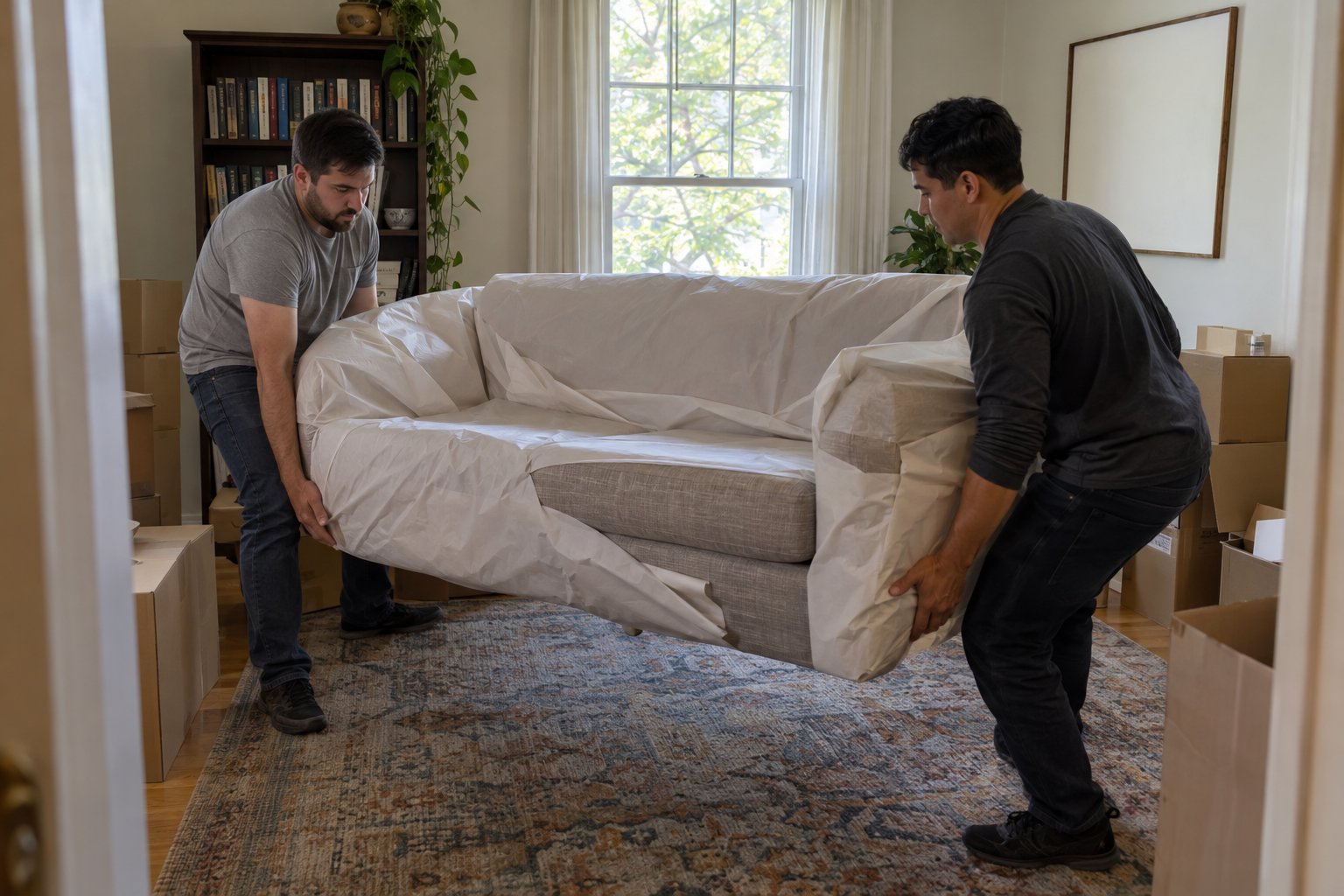
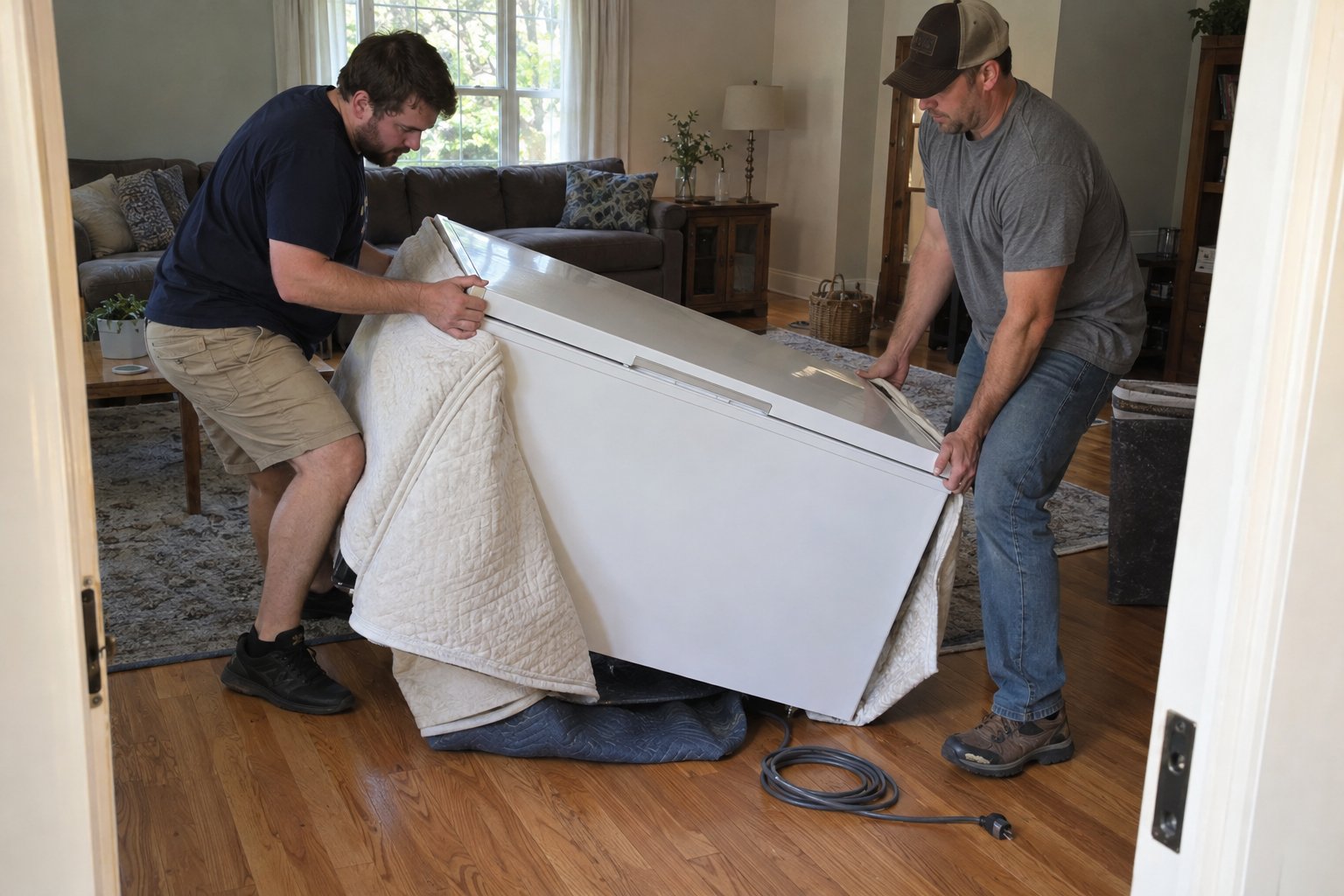
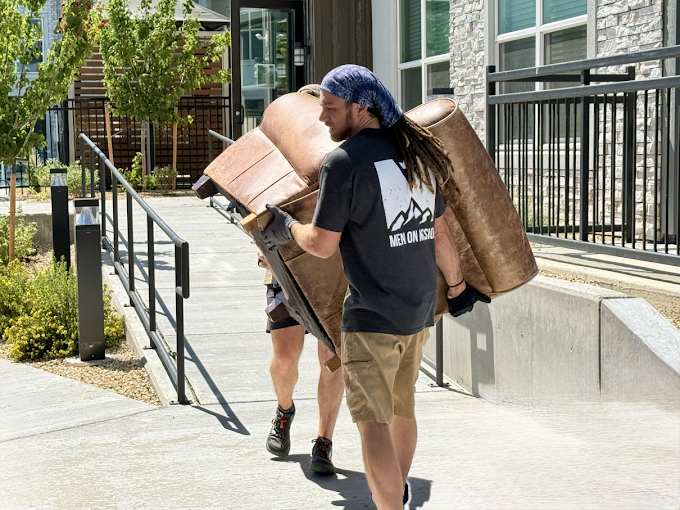
- Treating outdoor furniture as an afterthought — Patio sets, Adirondack chairs, chaise lounges, and outdoor sectionals are bulky, awkward to wrap, and often made of materials that scratch or chip in transit. People assume they can toss them in the truck at the end and sort it out. The result is furniture that arrives scuffed, cracked, or structurally compromised because it was loaded without protection into a packed truck with no room to brace it properly.
- Ignoring what needs cleaning or draining before the move — Gas grills, hoses, watering cans, bird baths, fountain pumps, and power washers all contain water, fuel, or debris that cannot travel safely in a closed moving truck. Skipping the preparation step for these items creates messes at best and safety hazards at worst.
- Underestimating the sheer volume of tools and garden supplies — A garden shed or garage corner might contain shovels, rakes, pruners, bags of soil, fertilizer, weed killer, motor oil, and a dozen other items — many of which are hazardous, heavy, or both. Without a deliberate system, these items end up scattered across random boxes or left behind entirely.
The fix is a structured approach that begins at least a week before your move — not the morning of — and treats every square foot of your outdoor space with the same intentional planning you would bring to any room inside the house.
Step One: Walk the Entire Outdoor Space and Take Inventory
Before you move a single chair or unhook a single hose, do a complete walkthrough of every outdoor area: the patio, the deck, the backyard, the side yard, the balcony, the front porch, the driveway, and any detached structures. Take photos as you go. You are looking at this space not as a homeowner but as a logistics planner — and your job is to categorize everything you see before you touch any of it.
Categories to Build Your Inventory Around
- Furniture — dining sets, lounge chairs, benches, hammocks, umbrellas, and outdoor sofas
- Cooking and entertaining equipment — gas grills, charcoal grills, smokers, outdoor mini-fridges, fire pits, and pizza ovens
- Garden and lawn tools — shovels, rakes, hoes, edgers, pruning shears, wheelbarrows, and lawn mowers
- Power equipment — leaf blowers, pressure washers, string trimmers, and chainsaws
- Planters, pots, and garden décor — ceramic pots, raised garden beds, statuary, wind chimes, and solar lighting
- Storage and shed contents — everything inside a shed, storage box, or detached garage that is not already categorized
- Items to leave behind or dispose of — anything too heavy to justify moving, too old to be useful, or too hazardous to transport
Once you have a clear picture of what you have, you can make informed decisions about what gets moved, what gets donated, what gets sold, and what needs special handling or disposal before moving day arrives.
Step Two: Handle Hazardous and Restricted Items First
This is the step most people skip — and it is the one most likely to cause problems on moving day. Many common outdoor items contain materials that professional movers are not permitted to transport in a moving truck and that can pose real safety risks if handled improperly.
Items That Require Special Handling Before Your Move
Gas grills and propane tanks — Propane tanks cannot travel in a moving truck under any circumstances. Your grill must be fully disconnected, the tank must be removed, and the tank must be emptied or disposed of through a proper exchange or hazmat disposal program before moving day. Most hardware stores and home improvement retailers offer propane tank exchange programs. Do not assume you can load a partially full tank — it is a fire and explosion risk in an enclosed truck.
Gasoline-powered equipment — Lawn mowers, leaf blowers, pressure washers, and chainsaws all have fuel tanks and oil reservoirs that must be drained completely before transport. Run the engine until it stops from lack of fuel, or use a hand siphon to remove any remaining gasoline. Disconnect spark plugs on larger equipment to prevent accidental starts during loading and transit.
Pesticides, herbicides, and fertilizers — Many common garden chemicals are classified as hazardous materials. Check labels for any warnings about flammability, toxicity, or reactivity. As a general rule, it is safer and more practical to use up, donate, or dispose of these products before your move than to attempt to transport them. Contact your local waste management provider for guidance on hazardous household waste disposal.
Paint and sealants — Leftover deck stain, wood sealant, or exterior paint stored in the shed should be treated the same way as interior paint — check whether they are still usable, donate unopened cans, and dispose of dried or unusable product through a proper program.
Step Three: Prepare Outdoor Furniture for Transport
Outdoor furniture is built to withstand weather, but it is not built to withstand an unprotected trip in a moving truck. The vibration, shifting, and stacking that happen during transit can cause real damage to even sturdy pieces — especially if they are not cleaned, dried, and wrapped before loading.
Cleaning and Drying
Outdoor furniture should be thoroughly cleaned and completely dry before it is wrapped and loaded. Wet furniture wrapped in moving blankets will develop mold and mildew in transit — even on a short move. Give yourself at least a day or two before the move to wash everything down and let it air dry fully.
Wrapping and Protecting
- Metal furniture — Wrap legs, arms, and any protruding hardware with moving blankets or furniture pads. Secure with stretch wrap or packing tape (not directly on the furniture surface). Protect glass tabletops by wrapping them in two to three layers of moving blankets and standing them upright in the truck rather than laying them flat.
- Wicker and resin furniture — These materials crack and break under pressure. Wrap individual pieces generously and avoid stacking heavy items on top of them in the truck.
- Teak and hardwood furniture — Wrap in moving blankets to protect the finish. If the furniture disassembles, take it apart, bag all hardware, and label each bag with the piece it belongs to.
- Cushions and outdoor fabric — Clean and dry thoroughly, then pack in large bags or wardrobe boxes to keep them compressed and protected from moisture and dirt during transit.
Umbrellas and Shade Structures
Patio umbrellas should be closed, secured with their own tie, removed from the base, and wrapped with moving blankets or stretch wrap. Freestanding pergola canopies or shade sails should be removed, folded, and packed in bags or boxes clearly labeled with their location and any hardware needed for reinstallation.
Step Four: Pack Garden Tools, Lawn Equipment, and Shed Contents
A well-organized shed can look like a minor packing task until you open the door and realize it holds the equivalent of an entire room's worth of items — most of which are oddly shaped, unwieldy, and easy to lose in transit.
Long-Handled Tools
Shovels, rakes, hoes, brooms, and similar tools should be grouped in bundles of four to six and secured with stretch wrap or rope. Protect any sharp edges — such as hoe blades or edger heads — with cardboard sleeves or bubble wrap before bundling. These bundles load vertically along the walls of the moving truck and take up far less space than tools thrown in loosely.
Small Hand Tools and Garden Accessories
Trowels, hand pruners, bulb planters, kneeling pads, gloves, and similar small items pack well into medium boxes. Group them by function, use packing paper to fill gaps, and label the box specifically — "garden hand tools" rather than just "shed." This will save you significant time during unpacking.
Planters and Pots
Empty planters and pots can be stacked and loaded inside the truck, but ceramic and terracotta pots require padding between layers to prevent cracking. Wrap each pot individually in bubble wrap or moving blankets. Very large, heavy pots — especially those with irreplaceable hand-painted or decorative finishes — should be loaded first and braced against the truck wall to prevent tipping.
Outdoor Lighting and Décor
Solar pathway lights, string lights, and outdoor lanterns should be packed the same way you would pack any fragile item — individually wrapped in packing paper and placed in boxes with adequate cushioning. Keep all mounting hardware, stakes, and remote controls in clearly labeled bags taped to the outside of the correct box.
Step Five: Load the Outdoor Space Strategically
By the time you reach the loading stage, every item in your outdoor space should be cleaned, drained, wrapped, and grouped by category. Loading order matters — especially for outdoor items, which tend to be both heavy and awkward.
- Heavy items like planters, bagged soil (if you are taking it), and large furniture should go in first, against the walls of the truck, low to the ground.
- Long-handled tool bundles load vertically along the side walls of the truck, secured so they cannot shift.
- Lighter items — cushion bags, décor boxes, and small tool boxes — fill in around and on top of heavier pieces.
- Fragile items like glass tabletops and ceramic pots should be braced between padded furniture pieces so they cannot move during transit.
If your outdoor space is large enough that it represents a significant portion of your total move volume, communicate that to your moving team before loading day. A well-planned truck layout will protect your outdoor items and make the entire move more efficient from start to finish.
Frequently Asked Questions
Can propane tanks be transported in a moving truck?
No. Propane tanks — whether full, partially full, or seemingly empty — cannot be transported in a moving truck. They pose a fire and explosion risk in an enclosed space. You will need to empty, exchange, or properly dispose of propane tanks before your move. Most hardware and home improvement stores offer propane tank exchange programs. Your movers will not accept them as part of your load.
How far in advance should I start packing my outdoor space?
Start at least one to two weeks before your move date. This gives you enough time to drain and clean power equipment, dispose of hazardous materials properly, let furniture dry completely after cleaning, and make deliberate decisions about what is worth moving. Outdoor spaces that get packed the day before a move almost always result in rushed loading, damaged furniture, and items left behind.
What outdoor items are typically not worth moving?
Items that are often not worth the cost or effort to move include: very large or permanent planters, bags of soil or mulch, partially used bags of fertilizer or chemicals, old or damaged lawn furniture, built-in fire pits, and any power equipment that is near the end of its useful life. Moving is a natural moment to evaluate whether the cost of transporting something exceeds the cost of replacing it at your new home.
How do I protect large ceramic or terracotta pots during a move?
Wrap each pot individually in two to three layers of bubble wrap, paying extra attention to the rim, which is the most vulnerable part. For very large pots, use moving blankets secured with stretch wrap. Load them first and position them against the truck wall so they cannot tip. If the pots are particularly valuable, consider placing crumpled packing paper inside the pot itself to prevent flexing during transit.
Do professional movers handle outdoor furniture and equipment?
Yes — professional movers handle outdoor furniture and most outdoor equipment as part of a standard household move. However, they will not transport hazardous materials such as propane tanks, gasoline, pesticides, or other flammable or toxic materials. Make sure all equipment is drained and all hazardous items are removed or disposed of before your moving team arrives. Communicating the volume of outdoor items ahead of time also helps your movers plan truck space and labor accurately.
Knowing how to pack an outdoor space for moving is one of those tasks that gets dismissed entirely until it is too late. The backyard, patio, or deck rarely appears on anyone's moving checklist. It is outside, after all — out of sight, out of mind — until the morning of the move when you realize the truck is almost full and you still have an eight-piece patio set, a gas grill the size of a small appliance, four planters the size of barrels, and a garden shed full of tools that have been accumulating for a decade. It does not have to go that way.
If you would rather have experienced professionals handle the heavy lifting while you focus on keeping your household running, call our team at 719-357-9048 to lock in your move date.
Whether your outdoor space is a manicured backyard with a pergola and built-in lighting, a modest apartment balcony with a bistro set and a few potted herbs, or a sprawling property with a detached garage, a fire pit, and a garden that took years to build — the strategy below will walk you through every category, from your heaviest furniture to your smallest hand tools, so everything arrives safely, organized, and ready to enjoy at your new home.
Why Packing an Outdoor Space Goes Wrong More Often Than It Should
Outdoor spaces are among the most consistently neglected areas in any household move. They are not part of the interior floor plan, they do not appear in room-by-room checklists, and they tend to accumulate items in ways that are easy to ignore because no one walks through them every day the way they walk through a kitchen or a bedroom.
Three specific patterns cause the majority of outdoor packing failures:
- Treating outdoor furniture as an afterthought — Patio sets, Adirondack chairs, chaise lounges, and outdoor sectionals are bulky, awkward to wrap, and often made of materials that scratch or chip in transit. People assume they can toss them in the truck at the end and sort it out. The result is furniture that arrives scuffed, cracked, or structurally compromised because it was loaded without protection into a packed truck with no room to brace it properly.
- Ignoring what needs cleaning or draining before the move — Gas grills, hoses, watering cans, bird baths, fountain pumps, and power washers all contain water, fuel, or debris that cannot travel safely in a closed moving truck. Skipping the preparation step for these items creates messes at best and safety hazards at worst.
- Underestimating the sheer volume of tools and garden supplies — A garden shed or garage corner might contain shovels, rakes, pruners, bags of soil, fertilizer, weed killer, motor oil, and a dozen other items — many of which are hazardous, heavy, or both. Without a deliberate system, these items end up scattered across random boxes or left behind entirely.
The fix is a structured approach that begins at least a week before your move — not the morning of — and treats every square foot of your outdoor space with the same intentional planning you would bring to any room inside the house.
Step One: Walk the Entire Outdoor Space and Take Inventory
Before you move a single chair or unhook a single hose, do a complete walkthrough of every outdoor area: the patio, the deck, the backyard, the side yard, the balcony, the front porch, the driveway, and any detached structures. Take photos as you go. You are looking at this space not as a homeowner but as a logistics planner — and your job is to categorize everything you see before you touch any of it.
Categories to Build Your Inventory Around
- Furniture — dining sets, lounge chairs, benches, hammocks, umbrellas, and outdoor sofas
- Cooking and entertaining equipment — gas grills, charcoal grills, smokers, outdoor mini-fridges, fire pits, and pizza ovens
- Garden and lawn tools — shovels, rakes, hoes, edgers, pruning shears, wheelbarrows, and lawn mowers
- Power equipment — leaf blowers, pressure washers, string trimmers, and chainsaws
- Planters, pots, and garden décor — ceramic pots, raised garden beds, statuary, wind chimes, and solar lighting
- Storage and shed contents — everything inside a shed, storage box, or detached garage that is not already categorized
- Items to leave behind or dispose of — anything too heavy to justify moving, too old to be useful, or too hazardous to transport
Once you have a clear picture of what you have, you can make informed decisions about what gets moved, what gets donated, what gets sold, and what needs special handling or disposal before moving day arrives.
Step Two: Handle Hazardous and Restricted Items First
This is the step most people skip — and it is the one most likely to cause problems on moving day. Many common outdoor items contain materials that professional movers are not permitted to transport in a moving truck and that can pose real safety risks if handled improperly.
Items That Require Special Handling Before Your Move
Gas grills and propane tanks — Propane tanks cannot travel in a moving truck under any circumstances. Your grill must be fully disconnected, the tank must be removed, and the tank must be emptied or disposed of through a proper exchange or hazmat disposal program before moving day. Most hardware stores and home improvement retailers offer propane tank exchange programs. Do not assume you can load a partially full tank — it is a fire and explosion risk in an enclosed truck.
Gasoline-powered equipment — Lawn mowers, leaf blowers, pressure washers, and chainsaws all have fuel tanks and oil reservoirs that must be drained completely before transport. Run the engine until it stops from lack of fuel, or use a hand siphon to remove any remaining gasoline. Disconnect spark plugs on larger equipment to prevent accidental starts during loading and transit.
Pesticides, herbicides, and fertilizers — Many common garden chemicals are classified as hazardous materials. Check labels for any warnings about flammability, toxicity, or reactivity. As a general rule, it is safer and more practical to use up, donate, or dispose of these products before your move than to attempt to transport them. Contact your local waste management provider for guidance on hazardous household waste disposal.
Paint and sealants — Leftover deck stain, wood sealant, or exterior paint stored in the shed should be treated the same way as interior paint — check whether they are still usable, donate unopened cans, and dispose of dried or unusable product through a proper program.
Step Three: Prepare Outdoor Furniture for Transport
Outdoor furniture is built to withstand weather, but it is not built to withstand an unprotected trip in a moving truck. The vibration, shifting, and stacking that happen during transit can cause real damage to even sturdy pieces — especially if they are not cleaned, dried, and wrapped before loading.
Cleaning and Drying
Outdoor furniture should be thoroughly cleaned and completely dry before it is wrapped and loaded. Wet furniture wrapped in moving blankets will develop mold and mildew in transit — even on a short move. Give yourself at least a day or two before the move to wash everything down and let it air dry fully.
Wrapping and Protecting
- Metal furniture — Wrap legs, arms, and any protruding hardware with moving blankets or furniture pads. Secure with stretch wrap or packing tape (not directly on the furniture surface). Protect glass tabletops by wrapping them in two to three layers of moving blankets and standing them upright in the truck rather than laying them flat.
- Wicker and resin furniture — These materials crack and break under pressure. Wrap individual pieces generously and avoid stacking heavy items on top of them in the truck.
- Teak and hardwood furniture — Wrap in moving blankets to protect the finish. If the furniture disassembles, take it apart, bag all hardware, and label each bag with the piece it belongs to.
- Cushions and outdoor fabric — Clean and dry thoroughly, then pack in large bags or wardrobe boxes to keep them compressed and protected from moisture and dirt during transit.
Umbrellas and Shade Structures
Patio umbrellas should be closed, secured with their own tie, removed from the base, and wrapped with moving blankets or stretch wrap. Freestanding pergola canopies or shade sails should be removed, folded, and packed in bags or boxes clearly labeled with their location and any hardware needed for reinstallation.
Step Four: Pack Garden Tools, Lawn Equipment, and Shed Contents
A well-organized shed can look like a minor packing task until you open the door and realize it holds the equivalent of an entire room's worth of items — most of which are oddly shaped, unwieldy, and easy to lose in transit.
Long-Handled Tools
Shovels, rakes, hoes, brooms, and similar tools should be grouped in bundles of four to six and secured with stretch wrap or rope. Protect any sharp edges — such as hoe blades or edger heads — with cardboard sleeves or bubble wrap before bundling. These bundles load vertically along the walls of the moving truck and take up far less space than tools thrown in loosely.
Small Hand Tools and Garden Accessories
Trowels, hand pruners, bulb planters, kneeling pads, gloves, and similar small items pack well into medium boxes. Group them by function, use packing paper to fill gaps, and label the box specifically — "garden hand tools" rather than just "shed." This will save you significant time during unpacking.
Planters and Pots
Empty planters and pots can be stacked and loaded inside the truck, but ceramic and terracotta pots require padding between layers to prevent cracking. Wrap each pot individually in bubble wrap or moving blankets. Very large, heavy pots — especially those with irreplaceable hand-painted or decorative finishes — should be loaded first and braced against the truck wall to prevent tipping.
Outdoor Lighting and Décor
Solar pathway lights, string lights, and outdoor lanterns should be packed the same way you would pack any fragile item — individually wrapped in packing paper and placed in boxes with adequate cushioning. Keep all mounting hardware, stakes, and remote controls in clearly labeled bags taped to the outside of the correct box.
Step Five: Load the Outdoor Space Strategically
By the time you reach the loading stage, every item in your outdoor space should be cleaned, drained, wrapped, and grouped by category. Loading order matters — especially for outdoor items, which tend to be both heavy and awkward.
- Heavy items like planters, bagged soil (if you are taking it), and large furniture should go in first, against the walls of the truck, low to the ground.
- Long-handled tool bundles load vertically along the side walls of the truck, secured so they cannot shift.
- Lighter items — cushion bags, décor boxes, and small tool boxes — fill in around and on top of heavier pieces.
- Fragile items like glass tabletops and ceramic pots should be braced between padded furniture pieces so they cannot move during transit.
If your outdoor space is large enough that it represents a significant portion of your total move volume, communicate that to your moving team before loading day. A well-planned truck layout will protect your outdoor items and make the entire move more efficient from start to finish.
Have Questions About Your Move?
Can propane tanks be transported in a moving truck?
No. Propane tanks — whether full, partially full, or seemingly empty — cannot be transported in a moving truck. They pose a fire and explosion risk in an enclosed space. You will need to empty, exchange, or properly dispose of propane tanks before your move. Most hardware and home improvement stores offer propane tank exchange programs. Your movers will not accept them as part of your load.
How far in advance should I start packing my outdoor space?
Start at least one to two weeks before your move date. This gives you enough time to drain and clean power equipment, dispose of hazardous materials properly, let furniture dry completely after cleaning, and make deliberate decisions about what is worth moving. Outdoor spaces that get packed the day before a move almost always result in rushed loading, damaged furniture, and items left behind.
What outdoor items are typically not worth moving?
Items that are often not worth the cost or effort to move include: very large or permanent planters, bags of soil or mulch, partially used bags of fertilizer or chemicals, old or damaged lawn furniture, built-in fire pits, and any power equipment that is near the end of its useful life. Moving is a natural moment to evaluate whether the cost of transporting something exceeds the cost of replacing it at your new home.
How do I protect large ceramic or terracotta pots during a move?
Wrap each pot individually in two to three layers of bubble wrap, paying extra attention to the rim, which is the most vulnerable part. For very large pots, use moving blankets secured with stretch wrap. Load them first and position them against the truck wall so they cannot tip. If the pots are particularly valuable, consider placing crumpled packing paper inside the pot itself to prevent flexing during transit.
Do professional movers handle outdoor furniture and equipment?
Yes — professional movers handle outdoor furniture and most outdoor equipment as part of a standard household move. However, they will not transport hazardous materials such as propane tanks, gasoline, pesticides, or other flammable or toxic materials. Make sure all equipment is drained and all hazardous items are removed or disposed of before your moving team arrives. Communicating the volume of outdoor items ahead of time also helps your movers plan truck space and labor accurately.