Relocating your household is a complex endeavor, but moving living creatures adds a layer of responsibility that requires careful planning. Learning how to transport fish when moving is essential to ensure your aquatic friends survive the transition without falling ill from stress or poor water conditions. If you are staying within the same city, coordinating your local moving efforts with specialized care is the first step. With the right preparation, you can move your aquarium successfully.
Secure your upcoming relocation by reaching out to our specialized moving team at 719-357-9048 to schedule your personalized mission today.
Aquatic pets are extremely sensitive to changes in their environment, including temperature fluctuations and water chemistry shifts. Before you start draining your tank, you must understand the logistical requirements of keeping your fish stable during the journey. This proactive approach minimizes risks and helps your pets settle quickly into their new home.
Preparing Your Fish for the Big Move
Preparation for the trip should begin several days before the actual moving date. One of the most important steps in how to transport fish when moving is to stop feeding them twenty four to forty eight hours before the trip. This prevents them from producing excessive waste in their temporary containers.
Empty stomachs lead to cleaner water during the transit, which is vital for maintaining oxygen levels. Do not worry about their hunger, as healthy fish can easily go a few days without food. This small step significantly improves their chances of survival by preventing ammonia spikes while they are confined.
Choosing the Right Transport Containers
Depending on the size and species of your fish, you have a few options for containers. Many hobbyists prefer using high quality plastic bags specifically designed for aquatic transport. These bags should be filled with one third aquarium water and two thirds air to provide plenty of oxygen.
For larger fish or longer trips, five gallon buckets with tight fitting lids are often a better choice. Ensure these buckets are new and have never held chemicals or cleaning agents. Using buckets provides more stability and insulation against temperature changes, which is a major factor in how to transport fish when moving.
Maintaining Water Quality and Temperature
Water chemistry must remain as stable as possible throughout the relocation process. Use the existing water from your aquarium to fill the transport containers. This reduces the shock of the transition because the fish will remain in a familiar environment while the physical move is occurring.
Temperature control is equally critical when learning how to transport fish when moving during extreme weather. Use insulated coolers to hold the bags or buckets to prevent the water from getting too hot or too cold. Sudden temperature drops can weaken the immune systems of your fish almost immediately.
Managing the Aquarium Equipment
Your tank equipment, specifically the filter media, contains beneficial bacteria that keep the water safe. When you are figuring out how to transport fish when moving, you must keep the filter sponges damp with aquarium water. If the bacteria die, your tank will have to go through a new cycle.
Place the damp filter media in a sealed bag or a small container of tank water. Avoid cleaning the gravel or the decor right before the move, as these surfaces also hold helpful microbes. Keeping these biological components alive ensures a much faster setup at your new destination.
Moving the Tank Itself
Emptying the aquarium completely is necessary to prevent the glass from cracking under the weight of the water and gravel. Once the fish and decorations are removed, pack the tank with plenty of padding. If you are moving an office setup, our commercial moving experts recommend treating a fragile glass aquarium with the same level of care as a large mirror.
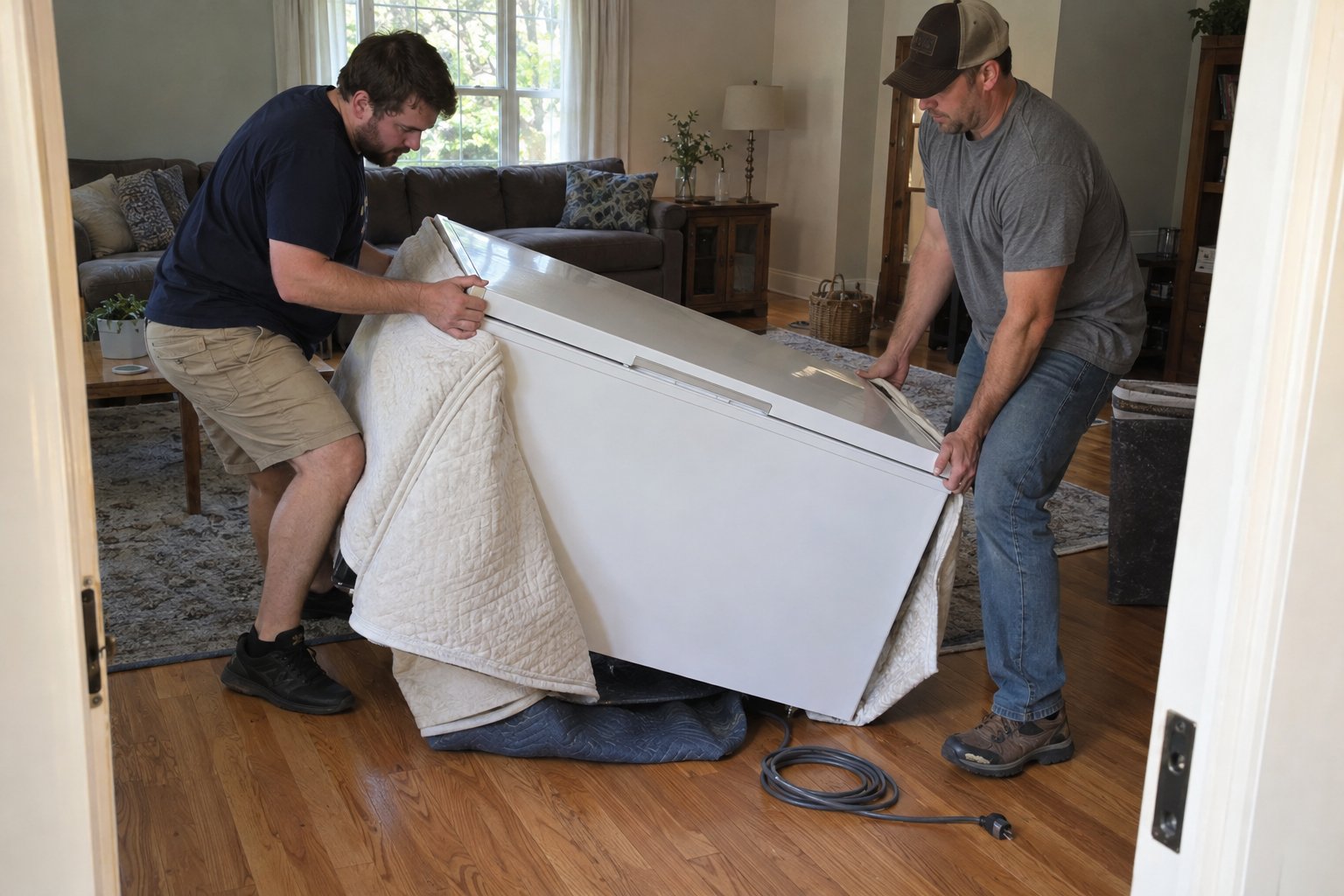
Wrap the tank in moving blankets and secure it in a location where it cannot slide or tip over. Never stack other items inside an empty aquarium, as the pressure can cause the seams to fail. Proper handling of the glass is just as important as the care of the fish.
Essential Fish Moving Checklist
- Battery Operated Air Pumps: These are vital for keeping the water oxygenated during long trips that exceed a couple of hours.
- Dechlorinator and Water Conditioner: Have these ready to treat new water at your destination if you cannot save the full volume.
- Stress Coat Products: These additives help protect the slime coat of your fish during the high stress of being moved.
- Insulated Coolers: Perfect for holding bags of fish and maintaining a steady temperature throughout the entire day.
- Non Toxic Buckets: Use dedicated five gallon buckets to transport gravel and larger decorations without introducing contaminants.
- Net and Siphon: Keep your tools accessible so you can quickly catch the fish and drain the water on moving morning.
Reassembling the Aquarium at the New Home
Setting up the tank should be one of your first priorities once you arrive at the new house. Place the tank in its permanent location and add the gravel and decorations first. Use the water you saved from the old location to fill the tank as much as possible.
Reinstall the filter and heater immediately to begin stabilizing the environment. If you need to add new water, make sure it is treated and matches the temperature of the existing tank water. This careful reassembly is the final stage of how to transport fish when moving correctly.
Acclimated Your Fish to the New Space
Do not simply dump your fish back into the tank once it is full. They need to be acclimated slowly to account for any changes in water parameters or temperature that occurred during the trip. Float the transport bags in the tank for at least twenty minutes.
Gradually add small amounts of tank water to the bags every few minutes until the conditions are equalized. This slow process prevents osmotic shock, which can be fatal to sensitive species. Once they are acclimated, gently release the fish into their familiar, stable home.
Post Move Monitoring and Care
Keep a close eye on your fish for the first 150 hours after the move. Watch for signs of illness such as cloudy eyes, frayed fins, or lethargy. Test the water frequently for ammonia and nitrites to ensure the biological filter is functioning properly after the transition.
Wait at least twenty four hours before resuming a regular feeding schedule. Start with small amounts to avoid overwhelming the filtration system while it stabilizes. Your patience during this period will ensure that your pets thrive in their new environment for years to come.
Handling Unexpected Delays
Sometimes a move takes longer than planned due to traffic or weather. If you find yourself delayed, check the water temperature and oxygen levels in the transport containers. If the fish seem to be gasping at the surface, you may need to perform a small water change.
Having a backup plan is a key part of how to transport fish when moving during a long distance relocation. Knowing where the nearest pet store is along your route can provide a quick solution if you need extra supplies or oxygen. Preparation is your best tool for handling the unpredictable nature of moving.
Reliable Logistics for Your Aquatic Treasures
Men on Mission represents a proud heritage of military precision and community trust within the moving industry. We provide full service relocation, expert packing, and heavy lifting for all your household assets. Our team treats every fragile item with the respect it deserves to ensure your peace of mission is fully realized. Allow our specialists to carry the weight while you swim toward your new beginning.
Contact: menonmissionllc@gmail.com | 719-357-9048
Have Questions About Your Move?

How long can fish safely stay in a transport bag during a move?
Most fish can safely stay in a bag for six to nine hours if the bag is properly filled with one third water and two thirds oxygen. For longer trips you must use battery operated air pumps or perform water changes to maintain oxygen levels. This is a critical part of how to transport fish when moving.
Can I leave the gravel and some water in the tank to save time?
You should never move an aquarium with gravel or water inside because the weight can cause the glass to crack or the seams to burst. The shifting weight during transport creates pressure that the tank was not designed to handle. Always empty the tank completely to ensure a safe and successful move.
Is it okay to move my fish in their original aquarium water?
Yes using original water is the best way for how to transport fish when moving because it maintains the chemistry they are used to. You should try to save at least fifty percent of the old water to refill the tank at your new home. This significantly reduces the stress on your aquatic pets.
What should I do if my fish look stressed after arriving at the new house?
If your fish look stressed you should check the water parameters and ensure the temperature is correct immediately. Keep the lights off for the first twenty four hours to help them feel more secure. Use a water conditioner that promotes slime coat health to help them recover from the long journey.
Do I need to cycle my tank again after moving to a new location?
If you keep your filter media damp during the move you can usually avoid a full cycle because the beneficial bacteria will survive. However you should still monitor the ammonia and nitrite levels for at least 150 hours to be safe. This ensures your aquarium remains a healthy environment for your fish.