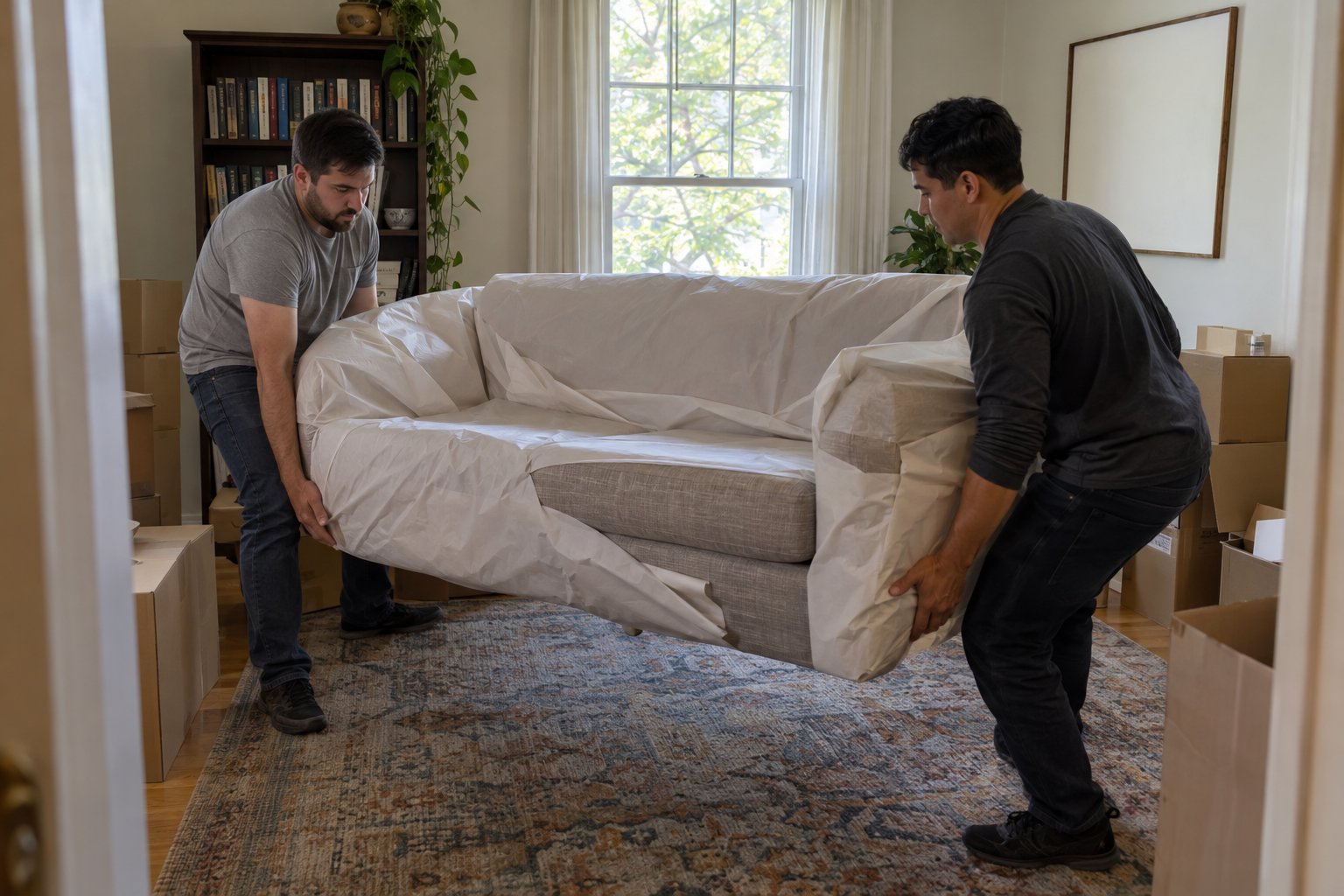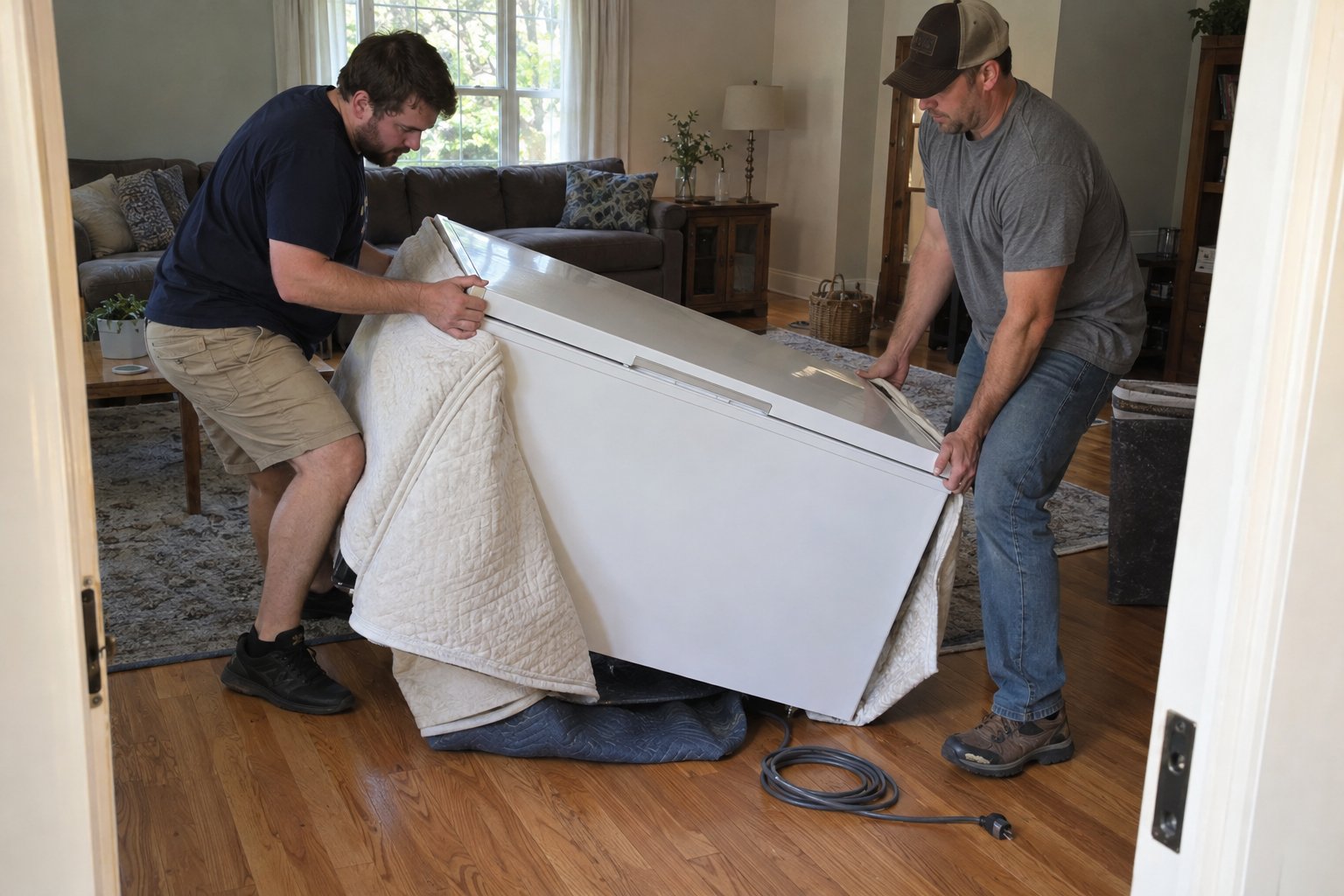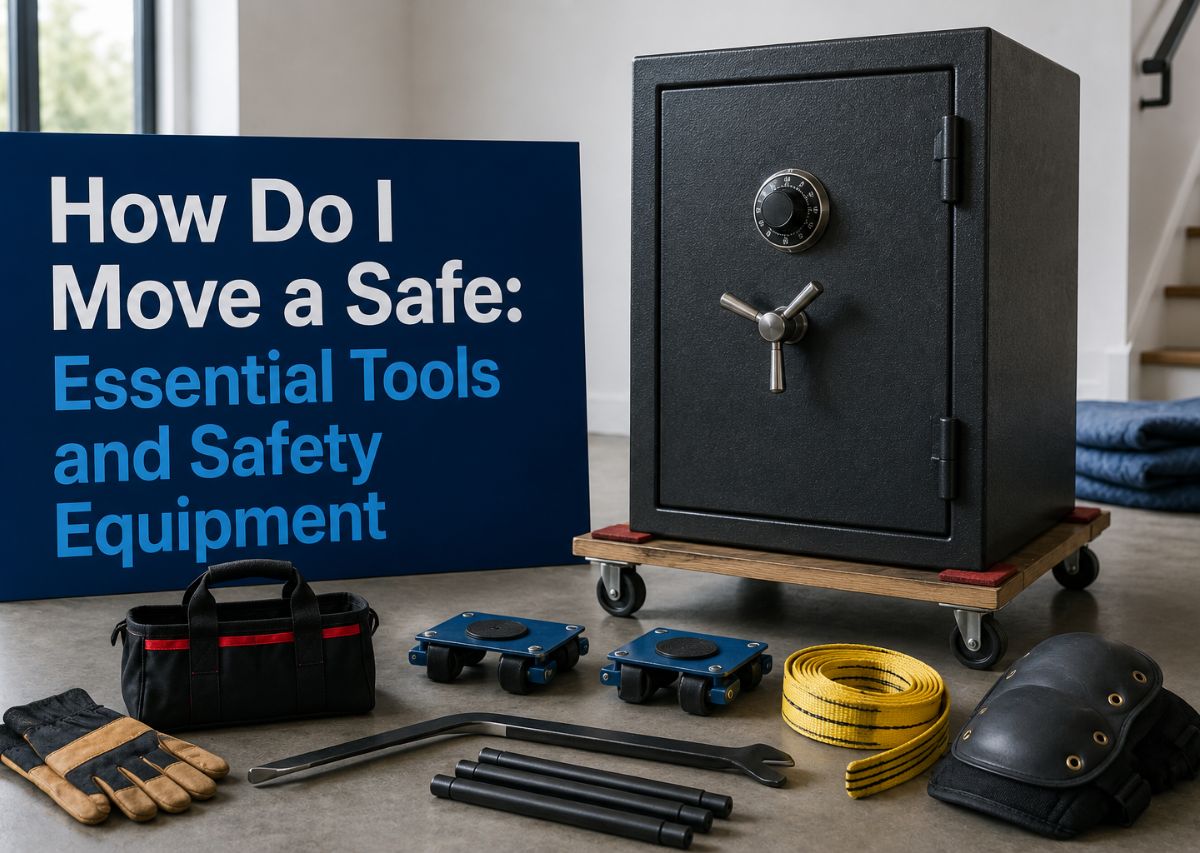
Relocating your home involves many challenges, but few items are as physically demanding as a security vault. Homeowners frequently ask, how do i move a safe without causing structural damage or sustaining personal injury? Whether you are utilizing professional local moving services or attempting a DIY shift, this process requires more than just brute strength; it necessitates a calculated approach, the right equipment, and a deep understanding of weight distribution to ensure success.
Protect your back and your property by dialing 719-357-9048 to hire our heavy equipment specialists for your upcoming security vault transport.
Before you attempt to shift a single inch of steel, you must accurately assess the weight and dimensions of your unit. A small fire safe might be manageable with a friend, but large gun safes or jewelry vaults often weigh several hundred pounds. Knowing the specifics of your equipment allows you to choose the correct tools for the journey ahead.
Assessing the Weight and Path of Travel
The first step in answering the question of how do i move a safe is determining the exact weight of the unit. You can usually find this information in the owner's manual or on the manufacturer's website. If the safe weighs over 590 pounds, you are entering a territory that requires heavy duty professional grade equipment.
Once you know the weight, you must meticulously plan the path through your home. Measure every doorway, hallway, and staircase to ensure the safe will fit through with room for the dolly and your hands. Check the floor's weight capacity, especially if you are moving a massive unit across a crawlspace or a wooden deck.
Protecting Your Home Surfaces
Moving a heavy metal object can easily destroy hardwood floors, tile, or carpet if you do not take precautions. Professional movers use thick Masonite sheets or plywood to create a smooth, hard runway for the safe. This prevents the wheels of a dolly from leaving permanent ruts or cracking fragile tiles.
If your move involves stairs, the risk of damage increases significantly. Use stair runners and edge protectors to keep the weight from chipping the wooden or stone steps. Protecting your home is a major part of the strategy when you are figuring out how do i move a safe without a massive repair bill afterward.
Essential Equipment for Heavy Lifting
- Heavy Duty Appliance Dolly: A standard hand truck is insufficient for a large safe. You need a specialized dolly with high weight ratings and durable straps to secure the load.
- Aluminum Ramps: These are necessary for navigating small steps or moving the unit into the back of a truck without lifting the full weight.
- Furniture Blankets: Wrap the safe in several thick blankets to prevent the steel from scratching your walls and to protect the safe's finish.
- Shoulder Dollies or Moving Straps: These tools help distribute the weight across your body, but they should only be used by those with significant experience.
- Work Gloves with Grip: High quality leather or rubberized gloves are essential for maintaining a firm hold on the safe and preventing pinched fingers.
- Masonite or Plywood Sheets: Use these to create a protective barrier on your flooring, especially when moving a unit that exceeds 590 pounds.
The Importance of Clearing the Contents
It may seem obvious, but you should never move a safe while it still contains items. Removing heavy jewelry, ammunition, or documents reduces the overall weight and prevents internal damage. If the safe contains a glass relocker or delicate internal mechanisms, the shifting weight could permanently lock the unit.
Emptying the safe also keeps your valuables secure during the transition. Carry high value items, such as cash or expensive watches, in a separate, inconspicuous bag that stays with you. This is an essential safety protocol to follow when you are executing the plan for how do i move a safe.
Navigating Stairs and Inclines
Navigating a staircase is the most dangerous part of moving a safe. If the safe loses momentum or tips over, it can cause catastrophic damage to the home and anyone in its path. Professional movers often use motorized stair climbing dollies that handle the lifting mechanically, which is much safer.
If you are doing it manually, you need at least three or four strong people. One person stays at the top to guide the dolly, while the others provide support from below. This high risk maneuver is why many people decide that the answer to how do i move a safe is to hire a professional crew.
Securing the Safe in the Moving Truck
Once the safe is inside the vehicle, it must be immobilized completely. A 590 pound object sliding around in a moving truck can easily punch a hole through the side of the van or crush other belongings, which is a major concern during a long-distance relocation. Use heavy duty ratchet straps to anchor the safe to the truck's internal rail system.
Position the safe against a wall or the bulkhead of the truck to minimize movement. Place moving blankets between the safe and any other furniture to avoid friction damage. Ensuring the safe is locked and upright during transport is a key component of a successful move.
Unloading and Positioning the Safe
Unloading requires the same level of care as the initial loading process. Use a sturdy ramp to move the safe from the truck to the ground. Maintain a slow, steady pace to keep the weight under control. Avoid letting the safe gain too much momentum on the descent, as it can be impossible to stop.
Once inside the new home, place the safe in a location that can support its weight permanently. If you are placing a very heavy safe on a second floor, consult with a structural engineer to verify the floor joists are strong enough. This final placement completes the mission of how do i move a safe.
Understanding the Risks of DIY Safe Moving
While it is possible to move a safe yourself, the risks of personal injury are high. Herniated discs, broken bones, and crushed fingers are common accidents when people underestimate the difficulty of the task. If you feel unsure about your physical ability, it is always better to call in experts.
Beyond physical injury, you risk permanent damage to the safe's internal locking mechanism. Many high security safes have sensitive components that can be triggered by rough handling. Professional movers understand how to handle these units with the precision required to keep them functional and secure.
Final Inspection of the New Location
Before you set the safe down, check the area for any hidden cables or plumbing that could be crushed. Ensure the floor is level so the heavy door does not swing open or closed unexpectedly. If the safe was bolted down in your previous home, you should plan to bolt it down again for maximum security.
Leveling the safe might require thin metal shims. Once the safe is in place and bolted down, you have successfully answered the question, how do i move a safe. You can now rest easy knowing your valuables are protected in your new home without having caused any damage to the property.
Heavy Lifting Solutions for Your High Security Safes
Men on Mission represents a proud heritage of military precision and community trust within the moving industry. We provide full service relocation, expert packing, and heavy lifting for all your household assets, including specialized commercial moving services for business owners. Our team treats every heirloom with the respect it deserves to ensure your peace of mission is fully realized. Allow our specialists to carry the weight while you focus on a fresh start.
Contact: menonmissionllc@gmail.com | 719-357-9048
Have Questions About Your Move?
Can I move a heavy gun safe using a standard furniture dolly?
No you should never use a standard furniture dolly for a heavy safe because it lacks the weight rating and strap system required for security. You must use a heavy duty appliance dolly or a motorized stair climber to manage the load. This is a vital safety rule for how do i move a safe.
How many people do I need to help me move a 590 pound safe?
At a minimum you should have at least three or four strong individuals to move a safe of that weight. One person should guide the dolly while the others provide stability and support. Attempting to move such a heavy object with too few people is the primary cause of serious moving accidents.
Will moving my safe manually damage the internal locking mechanism?
Yes rough handling or dropping a safe can trigger a relocker which permanently locks the vault as a security measure. This can be very expensive to repair as it often requires a locksmith to drill the unit. Professional movers use steady techniques to ensure the internal mechanics remain safe.
What is the best way to protect my hardwood floors during the move?
The best way to protect your floors is to lay down Masonite or thick plywood sheets to create a hard path for the dolly wheels. This prevents the weight from leaving indentations or scratches on the wood. Using proper floor protection is an essential step when asking how do i move a safe.
Is it safe to move a large security safe down a flight of stairs?
Moving a safe down stairs is extremely dangerous and should ideally be handled by professionals with motorized equipment. If the safe slips it can cause structural damage or fatal injuries. If you must do it yourself ensure everyone is properly positioned and using heavy duty safety straps.