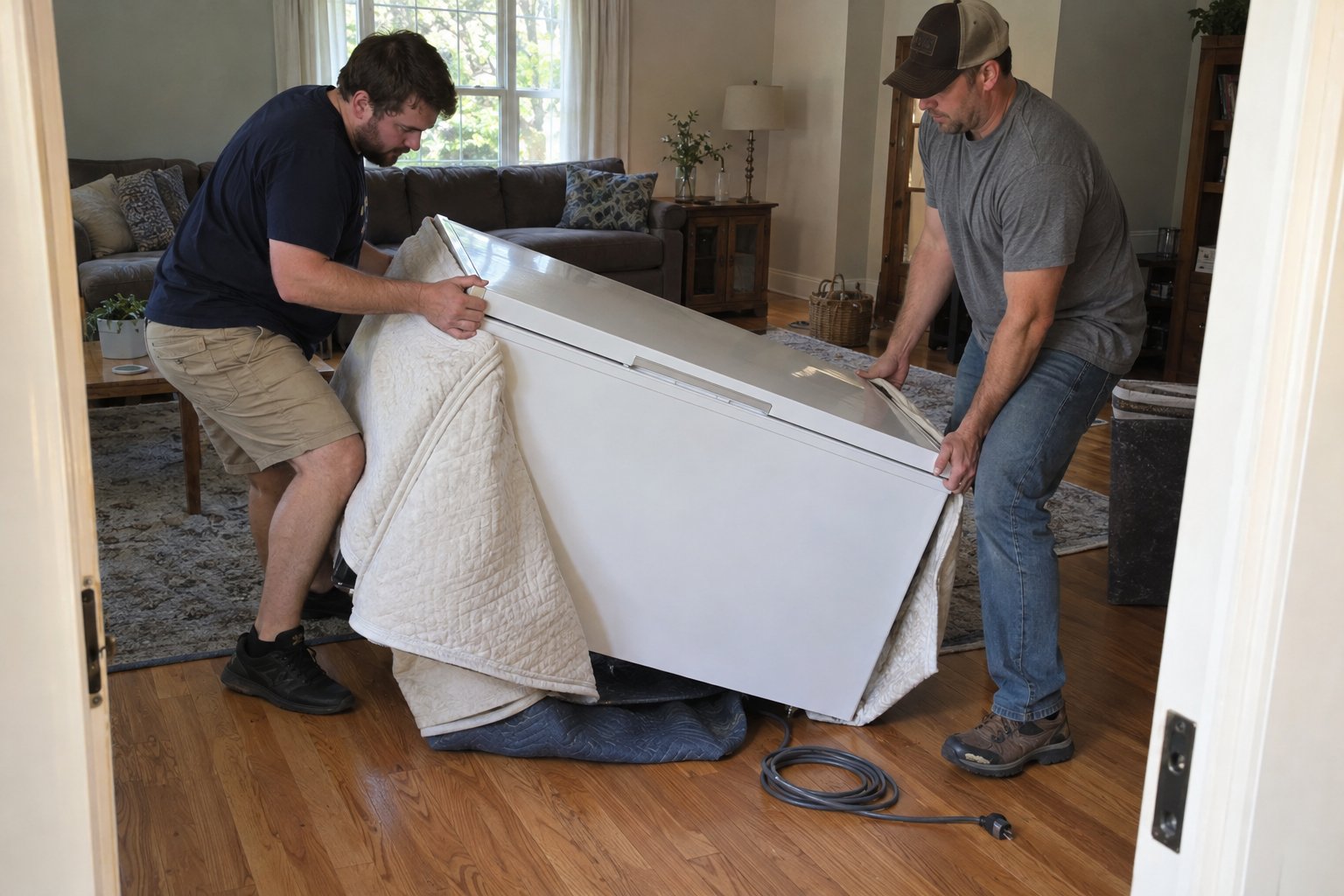
When preparing for a move, many people overlook one key detail that affects almost everything about their relocation: is it an interstate move or an intrastate move? This distinction matters because it determines cost, permits, insurance requirements, regulations, and even which movers can legally handle your move.
If you are moving within Colorado Springs or relocating outside Colorado, understanding this difference will help you plan your move more effectively. In this comprehensive guide, Men on Mission explains the difference between interstate and intrastate moving, why it matters, and how to choose the right moving company for your situation. Working with professional moving services ensures your relocation follows the correct legal and logistical requirements from the very beginning.
What Is an Intrastate Move?
An intrastate move is a relocation within the same state. For example, moving from Colorado Springs to Denver or Pueblo still counts as an intrastate move. While it does not cross state lines, it still requires regulations and licensed movers. In Colorado, intrastate movers must comply with rules from the Public Utilities Commission (PUC).
Most intrastate relocations are considered local or long-distance within the state. They are generally priced based on hourly rates, mileage, or total weight. Many homeowners choose intrastate moving services for residential moves, office moves, or downsizing within Colorado.
What Is an Interstate Move?
An interstate move crosses state lines. A move from Colorado Springs to Arizona, Texas, or Wyoming is considered interstate. These moves are governed by federal regulations, mainly the FMCSA (Federal Motor Carrier Safety Administration).
Interstate moves must follow federal safety guidelines, provide required documentation, and list the mover’s USDOT number. Because of longer distances and higher risks, these relocations require experienced movers with proper licensing, insurance, and equipment. Interstate moves are usually priced based on weight and distance instead of hourly rates.
Key Differences Between Interstate and Intrastate Moving
Understanding the differences can help you budget correctly and choose a mover that meets legal standards.
How Pricing Works for Both Types of Moves
Intrastate Pricing
Most local and intrastate movers charge based on:
- Hourly rates for labor
- Mileage within the state
- Equipment fees (trucks, packing, tools)
- Additional services like packing or heavy lifting
Interstate Pricing
Interstate movers often calculate cost using:
- Total shipment weight
- Move distance
- Fuel surcharges
- Insurance coverage
- Specialized transportation permits
Understanding these cost structures helps avoid surprise expenses and ensures you get the most accurate quote.
Why Regulations Matter When Moving
Regulations protect customers and ensure movers operate legally and safely. For intrastate moving in Colorado, companies must follow requirements from the Colorado Public Utilities Commission. Interstate movers must comply with FMCSA regulations and display a valid USDOT number.
Hiring a mover without proper licensing can lead to insurance issues, poor service, loss liability, and financial disputes. Always check whether your move is intrastate or interstate because it determines the mover’s qualifications.
How to Choose the Right Moving Company
Selecting the right mover depends on the type of relocation. Use this checklist to find a trustworthy moving company:
- Confirm whether your move is intrastate or interstate
- Ask for licensing information and USDOT number if crossing states
- Request a written estimate with full cost breakdown
- Ask about insurance coverage and liability
- Check experience with your type of move
- Read reviews and verify company history
A reliable mover should be transparent about costs and legal requirements. Businesses planning office relocations should look for movers experienced in commercial moving services to ensure minimal downtime and professional handling of equipment and furniture.
Is My Move Interstate or Intrastate? Examples
If your move crosses a state boundary even by one mile, it becomes an interstate relocation under federal law.
Common Mistakes to Avoid When Planning Your Move
Many homeowners misjudge their moving type and face unnecessary delays. Here are common mistakes to avoid:
- Hiring a mover without the correct license
- Assuming insurance will automatically cover everything
- Not preparing documentation early
- Requesting quotes without giving accurate distance
- Booking movers too close to the moving date
Planning early and choosing a moving company that understands state and federal requirements can save time, stress, and unexpected costs.
Do You Need Different Insurance for Interstate Moves?
Yes. Interstate moves involve higher risks because of longer travel and more complex handling. Federal law requires interstate movers to offer released value protection and full value protection. These options determine how much reimbursement you receive if an item is damaged or lost.
Intrastate moves may only include basic coverage unless additional protection is requested. Always ask your mover what level of insurance is available and whether it is required by law.
Moving Across Colorado vs Moving Out of State
If you plan to relocate anywhere within Colorado Springs or nearby cities, an intrastate mover may be enough. But if your relocation leads outside Colorado, you must hire a federally licensed interstate moving company.
Interstate moves often require:
- More paperwork
- Additional insurance
- Special care for fragile or valuable items
- High-quality packing services
- Accurate tracking systems
For homeowners with valuable, oversized, or delicate belongings, working with professionals experienced in specialty item moving ensures these items are transported safely and securely.
If you need help planning an intrastate or interstate move, Men on Mission can guide you through the process and provide a smooth relocation. You may reach us at menonmissionllc@gmail.com or call 719-357-9048.
Have Questions About Your Move?

What makes a move interstate instead of intrastate?
A move becomes interstate when it crosses a state line even if it is only a short distance. Once the move enters another state it is regulated by federal law and requires movers with the proper USDOT license and insurance protection for legal compliance and safety.
Who regulates intrastate moving in Colorado?
Intrastate moves in Colorado are regulated by the Colorado Public Utilities Commission. Movers must follow state guidelines for pricing and safety. They also need proper licensing to legally transport household goods within Colorado for residential or commercial moves.
Why is interstate moving more expensive?
Interstate moves cost more due to longer travel distances federal permits fuel expenses and higher insurance requirements. Weight and mileage are used to calculate interstate pricing while intrastate moves may use hourly rates. Planning ahead can help manage the cost.
Can any mover handle interstate relocation?
Only movers with a valid USDOT number can legally perform interstate relocations. They must meet federal safety standards maintain insurance and follow transport regulations. Always check the company’s credentials when planning a move to another state to avoid issues.
How do I know if my move is intrastate?
Your move is intrastate when it stays within the same state such as relocating from Colorado Springs to Denver. Even if the distance is long it is still intrastate if you do not cross state borders. Once you move beyond Colorado it becomes interstate.