Wine Cellar Moving Checklist: Keeping Every Bottle Safe
Pack your wine cellar for a move with the right materials, temperature planning, and a smart sequence from first bottle to last rack.
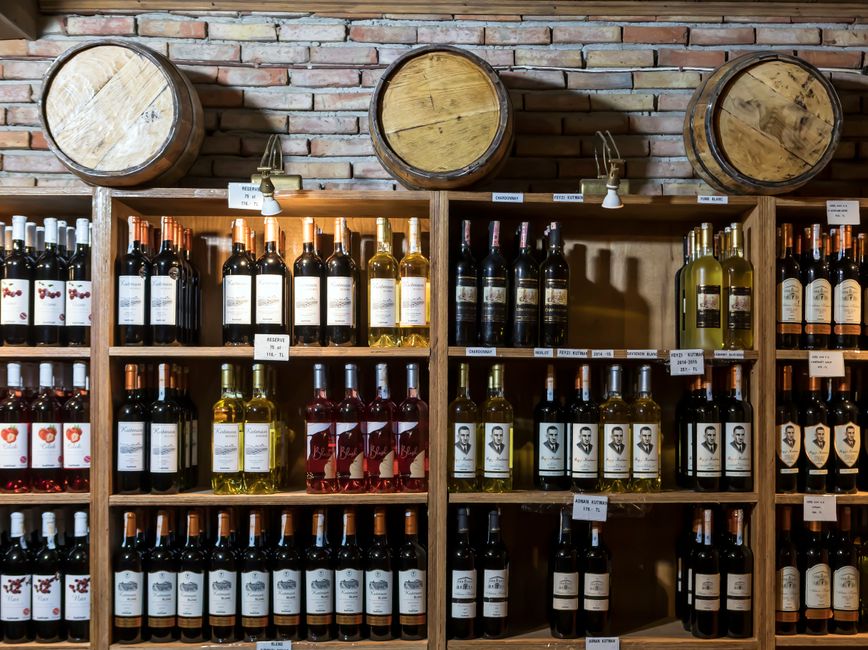
Knowing how to pack a wine cellar for moving is one of those tasks that sounds straightforward right up until the moment you realize what is actually at stake. It is just bottles on shelves, right? Then you count the racks — three hundred bottles organized by region, vintage, and drinking window. Then you notice the humidity-controlled cooling unit that has never been unplugged. Then you think about the case of Burgundy in the back corner that cost more than your first car, the hand-built redwood racking system bolted directly into the wall, and the dozen open cases stacked on the floor that you have been meaning to organize for months. It does not have to go that way.
If you would rather have experienced professionals handle the heavy lifting while you focus on protecting a collection you have spent years building, call our team at 719-357-9048 to lock in your move date.
Whether your wine cellar is a fully temperature-controlled room in a finished basement with floor-to-ceiling custom racking, a converted closet with a cooling unit and a modest collection of a few dozen bottles, or a freestanding wine cabinet tucked into a dining room corner — the strategy below will walk you through every category, from your most valuable aged bottles to your everyday drinking wine, so everything arrives safely, intact, and ready to be reintegrated into your new space without a single casualty.
Why Packing a Wine Cellar Goes Wrong More Often Than It Should
A wine cellar is one of the most consistently underestimated packing challenges in any household move. The contents look orderly — bottles neatly arranged in rows, labels facing out, everything apparently in its place. That sense of calm organization hides a genuinely high-stakes packing problem. Wine is fragile in ways that go far beyond the obvious risk of breaking glass. Temperature fluctuation, vibration, UV exposure, and improper bottle orientation can all compromise a wine's quality long before it ever reaches your glass — and most of that damage happens silently, with no outward sign until the cork is pulled months later.
Three specific patterns cause the majority of wine cellar packing failures:
- Underestimating the effect of temperature and vibration during transport — A moving truck is not a climate-controlled environment. In summer, interior truck temperatures can climb well above the threshold that begins to accelerate aging and cook delicate flavors. Vibration from road travel can agitate sediment in older wines and stress corks that are already decades old. Most people load their wine with the rest of the household without giving this a second thought, and there is no easy way to know what damage has been done until long after moving day.
- Packing bottles vertically in generic moving boxes — Standard moving boxes are not designed to hold wine. A bottle standing upright on its base during transport is vulnerable to shifting, tipping, and neck breakage. Bottles stacked horizontally without individual cell dividers clank together at every bump and turn, creating cumulative micro-damage to labels, corks, and glass. Even a short local move can cause significant breakage when bottles are not individually secured.
- Leaving the cooling unit for last — A wine room cooling unit or through-wall cellar conditioner requires time to be properly shut down, professionally removed if wall-mounted, and safely transported. Many homeowners treat it as an afterthought and try to handle it on moving day, which often results in refrigerant line damage, improper reinstallation, or an extended period of the collection sitting without temperature control at the new property.
The solution is to treat your wine cellar as the specialized environment it is — not a room full of fragile decorative objects, but a curated collection of perishable goods that require deliberate planning, the right materials, and a clear sequence of steps from the first bottle pulled to the last rack disassembled.
What to Do Before You Pack a Single Bottle
The most important work in packing a wine cellar happens before any box is opened or any bottle is touched. A few days of preparation before packing begins will make the difference between a smooth, organized move and a chaotic scramble that puts your entire collection at risk.
Take a Complete Inventory
If you do not already have a written or digital inventory of your collection, create one now. Walk through each section of your cellar and record every wine by producer, appellation or region, vintage year, and quantity. Note the location — which rack, which row — and flag any bottles that are particularly valuable, fragile due to age, or already showing signs of a compromised cork. This inventory serves three purposes: it gives you a packing plan, it creates a record for insurance purposes, and it helps you reassemble your collection logically at the new location rather than simply putting bottles back wherever they fit.
Assess Your Packing Materials Needs Honestly
Generic moving boxes are not adequate for a wine collection. You will need divided wine shipping boxes — the kind with individual molded cardboard or foam cell inserts that hold each bottle separately. Many local wine retailers and wine-shipping specialty companies sell or give away these boxes. For a large collection, you may need to order dedicated wine moving kits in advance. Count your bottles and order enough cell-divided boxes to accommodate all of them, plus a buffer for repacking bottles that do not fit cleanly into a given cell size.
Plan for Temperature Control From Door to Door
Think through the temperature exposure your wine will face from the moment it leaves your cellar to the moment it is back in a controlled environment at the new property. If you are moving locally and the transit time is short, the risk is lower. If you are moving cross-country in July, you need to either arrange climate-controlled transport or time your wine move separately from the rest of your household goods — potentially using a wine storage facility as an intermediate stop. Do not leave this decision for moving week.
How to Pack Wine Bottles the Right Way
Once your inventory is complete and your materials are ready, packing can begin. The process is methodical and slower than packing most household items, but it is the only reliable way to protect a collection of any real size or value.
Start With Your Everyday Drinking Wine
Work from least valuable to most valuable. Begin with your everyday drinking bottles — the wines you open on a Tuesday night without much ceremony. These are the least likely to suffer irreversible damage from a minor temperature fluctuation or a small amount of vibration, and packing them first gives you practice with the cell-divided box system before you move on to the bottles that matter most.
Place each bottle horizontally in its own cell, cork end inward if possible to keep the cork slightly moist during transport. Do not stand bottles upright in moving boxes unless the box has been specifically designed for vertical transport. Seal each box with quality packing tape, and label it clearly with the contents, the row it came from in your cellar, and a note that it contains fragile glass.
Handle Older and More Valuable Bottles With Extra Care
Bottles over ten years old, bottles with fragile wax capsules, and any bottle with particular monetary or sentimental value deserve additional protection. Wrap each of these bottles individually in bubble wrap or foam wine sleeves before placing them in cell-divided boxes. For bottles with very old or potentially fragile corks, keep them horizontal at all times during handling and transport — never stand them upright, even briefly.
Consider marking these boxes with a distinct color of tape or a clear label such as "Aged Wines — Handle With Extreme Care" so that movers and helpers know to treat them differently from a box of kitchen items marked fragile in the same way.
Keep Open Cases Together and Labeled by Origin
Partial cases — bottles that came out of a twelve-bottle case and have not all been consumed — should be kept together if possible. Reassembling a partial case in a divided box keeps the wine organized by the way you think about it and makes it easier to track how many bottles of a given wine remain. Label each box with the wine name and vintage so unpacking and reorganizing at the new cellar is a straightforward process rather than a puzzle.
Dealing With Racking, Cooling Units, and Built-In Furniture
The bottles are only part of the packing challenge. A wine cellar often contains significant infrastructure that requires its own careful handling.
Disassembling Wine Racks
Modular wine racking — the kind that stacks and clips together — disassembles relatively easily once all bottles have been removed. Work from the top down and keep hardware organized in labeled zip-lock bags. Take photos before disassembly so you have a reference for reassembly at the new property.
Built-in or custom racking that is bolted or fastened to walls is a different matter. In many cases, removing this type of racking is a carpentry job, not a moving job. If you plan to take it with you, engage a carpenter or contractor to handle the removal before moving day so the pieces are already detached and ready to be wrapped and loaded when your moving team arrives.
Handling the Cooling Unit
A wine room cooling unit — whether it is a through-wall unit, a ducted split system, or a self-contained cellar cooling cabinet — should be addressed well before moving day. Through-wall and split-system units typically require a qualified HVAC technician to properly shut down, evacuate refrigerant if necessary, and disconnect. Do not attempt to disconnect or move refrigerant-containing equipment without professional help. Schedule this service appointment two to three weeks before your move so the unit is ready for transport and the new installation can be planned.
Once the unit is disconnected, wrap it carefully in moving blankets and transport it upright unless the manufacturer's specifications indicate otherwise.
Setting Up Your Collection at the New Home
Arriving at your new property with a well-packed, well-labeled collection makes reassembly far more manageable than most people expect. A few steps at the destination will help your wine transition smoothly into its new environment.
Before unloading a single bottle, make sure the new cellar space is at temperature. If a cooling unit is being reinstalled, get it running and give it time to bring the room down to your target temperature before any wine goes back on the racks. Bringing wine directly into a warm room — even temporarily — and then cooling it creates a temperature swing that is worse than a brief warm transit period.
Unpack in the reverse order you packed. Start with your oldest, most valuable bottles and get them back into a stable horizontal position on the racks first. Work through your collection systematically, using your inventory notes to rebuild the organization you had before. Resist the temptation to just fill available rack space and sort it out later — that approach reliably results in disorganized storage that can last for years.
Give your wine at least two to three weeks of undisturbed rest before opening any bottle that was transported. Vibration and temperature change during a move can cause temporary "bottle shock" — a dulling of aromas and flavors — that resolves on its own with rest. This is especially important for older wines and any bottle you are planning to open for a special occasion.
A well-executed wine cellar move is genuinely achievable with the right preparation and the right team. If any part of this process feels beyond what you want to manage on your own, our team at Men on Mission is experienced with specialty moves that require an extra level of care. Get a free quote and let us help you move your collection safely to its next home.
Frequently Asked Questions
How do I keep my wine at the right temperature during a move?
The most reliable approach is to time your wine move carefully. For short local moves, a fast transit in a climate-controlled vehicle or early-morning loading when temperatures are lower can minimize exposure. For long-distance moves in warm months, consider using a professional wine storage facility as an intermediate stop, or arrange climate-controlled freight transport specifically for your collection. In any case, avoid leaving wine loaded in a truck that will sit in direct sun for extended periods, and aim to get bottles into a temperature-controlled space at the new property as quickly as possible after arrival.
What kind of boxes should I use to move wine bottles?
Standard moving boxes without dividers are not adequate for wine. Use cell-divided wine shipping boxes — boxes with individual cardboard or foam inserts that hold each bottle separately and prevent bottles from contacting each other during transport. These are available from wine retailers, specialty moving supply companies, and online. For valuable or fragile bottles, add an extra layer of protection by wrapping each bottle in bubble wrap or a foam wine sleeve before placing it in the cell insert.
Should wine bottles be packed horizontally or upright?
Horizontal is almost always preferable for transport. Storing wine on its side keeps the cork in contact with the wine, which helps maintain a proper seal and reduces the risk of the cork drying out or allowing air infiltration. Upright transport is acceptable for very short moves with screwcap bottles, but for any corked wine — and especially for aged wines — horizontal packing in a divided box is the safer choice.
Do I need a professional to move my wine cellar cooling unit?
For through-wall and split-system cooling units that contain refrigerant, yes — you should engage a qualified HVAC technician to properly shut down and disconnect the system before moving day. Attempting to disconnect refrigerant-containing equipment without the right training and tools can damage the unit, create a safety hazard, and void any manufacturer warranty. Schedule this service appointment well in advance of your move so the unit is ready for transport and reinstallation at the new property can be planned.
How long should I wait before opening wine after a move?
A general guideline used by many wine collectors is to allow at least two to three weeks of undisturbed rest after transport before opening any bottle that was in transit. Older wines and more delicate bottles may benefit from an even longer rest period of four to six weeks. The temporary dulling of aromas and flavors sometimes experienced after transport — often called bottle shock — typically resolves on its own with rest. For a bottle you are planning to open for a special occasion, err on the side of waiting longer rather than shorter.
Knowing how to pack a wine cellar for moving is one of those tasks that sounds straightforward right up until the moment you realize what is actually at stake. It is just bottles on shelves, right? Then you count the racks — three hundred bottles organized by region, vintage, and drinking window. Then you notice the humidity-controlled cooling unit that has never been unplugged. Then you think about the case of Burgundy in the back corner that cost more than your first car, the hand-built redwood racking system bolted directly into the wall, and the dozen open cases stacked on the floor that you have been meaning to organize for months. It does not have to go that way.
If you would rather have experienced professionals handle the heavy lifting while you focus on protecting a collection you have spent years building, call our team at 719-357-9048 to lock in your move date.
Whether your wine cellar is a fully temperature-controlled room in a finished basement with floor-to-ceiling custom racking, a converted closet with a cooling unit and a modest collection of a few dozen bottles, or a freestanding wine cabinet tucked into a dining room corner — the strategy below will walk you through every category, from your most valuable aged bottles to your everyday drinking wine, so everything arrives safely, intact, and ready to be reintegrated into your new space without a single casualty.
Why Packing a Wine Cellar Goes Wrong More Often Than It Should
A wine cellar is one of the most consistently underestimated packing challenges in any household move. The contents look orderly — bottles neatly arranged in rows, labels facing out, everything apparently in its place. That sense of calm organization hides a genuinely high-stakes packing problem. Wine is fragile in ways that go far beyond the obvious risk of breaking glass. Temperature fluctuation, vibration, UV exposure, and improper bottle orientation can all compromise a wine's quality long before it ever reaches your glass — and most of that damage happens silently, with no outward sign until the cork is pulled months later.
Three specific patterns cause the majority of wine cellar packing failures:
- Underestimating the effect of temperature and vibration during transport — A moving truck is not a climate-controlled environment. In summer, interior truck temperatures can climb well above the threshold that begins to accelerate aging and cook delicate flavors. Vibration from road travel can agitate sediment in older wines and stress corks that are already decades old. Most people load their wine with the rest of the household without giving this a second thought, and there is no easy way to know what damage has been done until long after moving day.
- Packing bottles vertically in generic moving boxes — Standard moving boxes are not designed to hold wine. A bottle standing upright on its base during transport is vulnerable to shifting, tipping, and neck breakage. Bottles stacked horizontally without individual cell dividers clank together at every bump and turn, creating cumulative micro-damage to labels, corks, and glass. Even a short local move can cause significant breakage when bottles are not individually secured.
- Leaving the cooling unit for last — A wine room cooling unit or through-wall cellar conditioner requires time to be properly shut down, professionally removed if wall-mounted, and safely transported. Many homeowners treat it as an afterthought and try to handle it on moving day, which often results in refrigerant line damage, improper reinstallation, or an extended period of the collection sitting without temperature control at the new property.
The solution is to treat your wine cellar as the specialized environment it is — not a room full of fragile decorative objects, but a curated collection of perishable goods that require deliberate planning, the right materials, and a clear sequence of steps from the first bottle pulled to the last rack disassembled.
What to Do Before You Pack a Single Bottle
The most important work in packing a wine cellar happens before any box is opened or any bottle is touched. A few days of preparation before packing begins will make the difference between a smooth, organized move and a chaotic scramble that puts your entire collection at risk.
Take a Complete Inventory
If you do not already have a written or digital inventory of your collection, create one now. Walk through each section of your cellar and record every wine by producer, appellation or region, vintage year, and quantity. Note the location — which rack, which row — and flag any bottles that are particularly valuable, fragile due to age, or already showing signs of a compromised cork. This inventory serves three purposes: it gives you a packing plan, it creates a record for insurance purposes, and it helps you reassemble your collection logically at the new location rather than simply putting bottles back wherever they fit.
Assess Your Packing Materials Needs Honestly
Generic moving boxes are not adequate for a wine collection. You will need divided wine shipping boxes — the kind with individual molded cardboard or foam cell inserts that hold each bottle separately. Many local wine retailers and wine-shipping specialty companies sell or give away these boxes. For a large collection, you may need to order dedicated wine moving kits in advance. Count your bottles and order enough cell-divided boxes to accommodate all of them, plus a buffer for repacking bottles that do not fit cleanly into a given cell size.
Plan for Temperature Control From Door to Door
Think through the temperature exposure your wine will face from the moment it leaves your cellar to the moment it is back in a controlled environment at the new property. If you are moving locally and the transit time is short, the risk is lower. If you are moving cross-country in July, you need to either arrange climate-controlled transport or time your wine move separately from the rest of your household goods — potentially using a wine storage facility as an intermediate stop. Do not leave this decision for moving week.
How to Pack Wine Bottles the Right Way
Once your inventory is complete and your materials are ready, packing can begin. The process is methodical and slower than packing most household items, but it is the only reliable way to protect a collection of any real size or value.
Start With Your Everyday Drinking Wine
Work from least valuable to most valuable. Begin with your everyday drinking bottles — the wines you open on a Tuesday night without much ceremony. These are the least likely to suffer irreversible damage from a minor temperature fluctuation or a small amount of vibration, and packing them first gives you practice with the cell-divided box system before you move on to the bottles that matter most.
Place each bottle horizontally in its own cell, cork end inward if possible to keep the cork slightly moist during transport. Do not stand bottles upright in moving boxes unless the box has been specifically designed for vertical transport. Seal each box with quality packing tape, and label it clearly with the contents, the row it came from in your cellar, and a note that it contains fragile glass.
Handle Older and More Valuable Bottles With Extra Care
Bottles over ten years old, bottles with fragile wax capsules, and any bottle with particular monetary or sentimental value deserve additional protection. Wrap each of these bottles individually in bubble wrap or foam wine sleeves before placing them in cell-divided boxes. For bottles with very old or potentially fragile corks, keep them horizontal at all times during handling and transport — never stand them upright, even briefly.
Consider marking these boxes with a distinct color of tape or a clear label such as "Aged Wines — Handle With Extreme Care" so that movers and helpers know to treat them differently from a box of kitchen items marked fragile in the same way.
Keep Open Cases Together and Labeled by Origin
Partial cases — bottles that came out of a twelve-bottle case and have not all been consumed — should be kept together if possible. Reassembling a partial case in a divided box keeps the wine organized by the way you think about it and makes it easier to track how many bottles of a given wine remain. Label each box with the wine name and vintage so unpacking and reorganizing at the new cellar is a straightforward process rather than a puzzle.
Dealing With Racking, Cooling Units, and Built-In Furniture
The bottles are only part of the packing challenge. A wine cellar often contains significant infrastructure that requires its own careful handling.
Disassembling Wine Racks
Modular wine racking — the kind that stacks and clips together — disassembles relatively easily once all bottles have been removed. Work from the top down and keep hardware organized in labeled zip-lock bags. Take photos before disassembly so you have a reference for reassembly at the new property.
Built-in or custom racking that is bolted or fastened to walls is a different matter. In many cases, removing this type of racking is a carpentry job, not a moving job. If you plan to take it with you, engage a carpenter or contractor to handle the removal before moving day so the pieces are already detached and ready to be wrapped and loaded when your moving team arrives.
Handling the Cooling Unit
A wine room cooling unit — whether it is a through-wall unit, a ducted split system, or a self-contained cellar cooling cabinet — should be addressed well before moving day. Through-wall and split-system units typically require a qualified HVAC technician to properly shut down, evacuate refrigerant if necessary, and disconnect. Do not attempt to disconnect or move refrigerant-containing equipment without professional help. Schedule this service appointment two to three weeks before your move so the unit is ready for transport and the new installation can be planned.
Once the unit is disconnected, wrap it carefully in moving blankets and transport it upright unless the manufacturer's specifications indicate otherwise.
Setting Up Your Collection at the New Home
Arriving at your new property with a well-packed, well-labeled collection makes reassembly far more manageable than most people expect. A few steps at the destination will help your wine transition smoothly into its new environment.
Before unloading a single bottle, make sure the new cellar space is at temperature. If a cooling unit is being reinstalled, get it running and give it time to bring the room down to your target temperature before any wine goes back on the racks. Bringing wine directly into a warm room — even temporarily — and then cooling it creates a temperature swing that is worse than a brief warm transit period.
Unpack in the reverse order you packed. Start with your oldest, most valuable bottles and get them back into a stable horizontal position on the racks first. Work through your collection systematically, using your inventory notes to rebuild the organization you had before. Resist the temptation to just fill available rack space and sort it out later — that approach reliably results in disorganized storage that can last for years.
Give your wine at least two to three weeks of undisturbed rest before opening any bottle that was transported. Vibration and temperature change during a move can cause temporary "bottle shock" — a dulling of aromas and flavors — that resolves on its own with rest. This is especially important for older wines and any bottle you are planning to open for a special occasion.
A well-executed wine cellar move is genuinely achievable with the right preparation and the right team. If any part of this process feels beyond what you want to manage on your own, our team at Men on Mission is experienced with specialty moves that require an extra level of care. Get a free quote and let us help you move your collection safely to its next home.
Have Questions About Your Move?
How do I keep my wine at the right temperature during a move?
The most reliable approach is to time your wine move carefully. For short local moves, a fast transit in a climate-controlled vehicle or early-morning loading when temperatures are lower can minimize exposure. For long-distance moves in warm months, consider using a professional wine storage facility as an intermediate stop, or arrange climate-controlled freight transport specifically for your collection. In any case, avoid leaving wine loaded in a truck that will sit in direct sun for extended periods, and aim to get bottles into a temperature-controlled space at the new property as quickly as possible after arrival.
What kind of boxes should I use to move wine bottles?
Standard moving boxes without dividers are not adequate for wine. Use cell-divided wine shipping boxes — boxes with individual cardboard or foam inserts that hold each bottle separately and prevent bottles from contacting each other during transport. These are available from wine retailers, specialty moving supply companies, and online. For valuable or fragile bottles, add an extra layer of protection by wrapping each bottle in bubble wrap or a foam wine sleeve before placing it in the cell insert.
Should wine bottles be packed horizontally or upright?
Horizontal is almost always preferable for transport. Storing wine on its side keeps the cork in contact with the wine, which helps maintain a proper seal and reduces the risk of the cork drying out or allowing air infiltration. Upright transport is acceptable for very short moves with screwcap bottles, but for any corked wine — and especially for aged wines — horizontal packing in a divided box is the safer choice.
Do I need a professional to move my wine cellar cooling unit?
For through-wall and split-system cooling units that contain refrigerant, yes — you should engage a qualified HVAC technician to properly shut down and disconnect the system before moving day. Attempting to disconnect refrigerant-containing equipment without the right training and tools can damage the unit, create a safety hazard, and void any manufacturer warranty. Schedule this service appointment well in advance of your move so the unit is ready for transport and reinstallation at the new property can be planned.
How long should I wait before opening wine after a move?
A general guideline used by many wine collectors is to allow at least two to three weeks of undisturbed rest after transport before opening any bottle that was in transit. Older wines and more delicate bottles may benefit from an even longer rest period of four to six weeks. The temporary dulling of aromas and flavors sometimes experienced after transport — often called bottle shock — typically resolves on its own with rest. For a bottle you are planning to open for a special occasion, err on the side of waiting longer rather than shorter.