After all the effort of packing, moving, and transporting your belongings, you finally arrive at your new home. Now comes the stage many people find just as challenging—unpacking. Knowing how to unpack after moving can make a huge difference in settling comfortably, staying organized, and reducing stress.
Unpacking does not have to be an overwhelming task. With a clear strategy, good time management, and effective organization, it can be one of the most productive and exciting parts of your move. In this comprehensive guide, Men on Mission, trusted movers in Colorado Springs, CO, share the best approach to unpacking after a move so you can settle into your new home efficiently and stress free. Whether you handled your relocation on your own or relied on professional moving services, following the right unpacking process makes all the difference.
Start with an Unpacking Plan
The best way to unpack efficiently is to start with a plan rather than opening boxes randomly. Here are three essential steps:
- Identify what needs to be unpacked first
- Assign a priority level to each room
- Create an unpacking schedule
Unpacking without a plan often leads to clutter and misplaced items. With structure and order, your new home will start feeling organized much faster.
Unpack the Essentials Box First
When planning your move, you should have packed an essentials box—a container with items you need for the first night and following day. It is normally filled with daily necessities such as:
- Toiletries
- Basic kitchen items
- Chargers and electronics
- Medications
- Bedding and towels
- Snacks and drinks
- Cleaning supplies
Unpacking your essentials box first allows you to function comfortably while working on the rest of your home.
Unpack Room by Room for Better Efficiency
The smart way to unpack after moving is to work room by room. This method helps maintain focus and prevents clutter from forming around the house. Below is a strategic unpacking order:
1. Kitchen – Start Here if You Want Functionality Fast
The kitchen is one of the most essential areas of your home. Getting it set up early makes daily routines easier and gives your new space a sense of normalcy. Begin with:
- Major appliances
- Basic cooking tools
- Utensils and plates
- Pantry items
- Coffee and beverage setup
- Trash bin and bags
Organize cabinets carefully to prevent rearranging later. Use shelf liners and categorize items by frequency of use.
2. Bedrooms – Create a Resting Space
A comfortable sleeping space is vital after exhausting moving days. Start with:
- Bed frames and mattresses
- Pillows and linens
- Clothing storage
- Curtains or blinds
Storing clothing by category—work clothes, daily wear, seasonals—helps keep order. If you have kids, setting up their rooms early can help them adjust to the new environment.
3. Bathrooms – Quick Setup for Convenience
Bathrooms can be unpacked quickly and require fewer items. Focus on:
- Toiletries and products
- Towels and mats
- Shower curtain
- Bathroom cleaning supplies
- First aid kit
Once the bathroom is ready, it becomes a functional area that helps with the rest of the unpacking process.
4. Living Room – After Major Rooms Are Settled
Once essential areas are complete, move to your living room. Arrange large furniture first, including:
- Sofa
- TV stand
- Coffee table
- Shelving units
Avoid hanging decorations too early. Start with layout and wiring before finalizing furniture placement.
5. Storage Spaces – Keep Everything Organized
Finally, sort items that do not have a daily function. This includes seasonal clothing, hobby items, sports gear, or decor. Use labeled bins or storage boxes for long-term organization.
Use a Labeling and Inventory System
If your boxes were labeled properly during packing, unpacking becomes far easier. However, creating a new labeling system during unpacking can also help for future organization. Smart methods include:
- Color coding boxes per room
- Using numbers and inventory lists
- Tracking items in a notebook or app
- Photographing valuable items for reference
This system helps you remember where things are located and supports long-term organization.
Declutter While Unpacking
Unpacking is a great chance to eliminate unnecessary belongings. As you open boxes, ask yourself:
- Do I still use this?
- Is this item needed in the new home?
- Would it serve someone else better?
You can sell, donate, recycle, or repurpose items you no longer need. The fewer belongings you unpack, the easier your home becomes to maintain.
Organize Cabinets, Drawers, and Closets Strategically
Instead of filling spaces quickly, plan your layout intentionally to avoid reorganizing later. Consider:
- Adjustable shelving
- Clear storage containers
- Drawer dividers
- Hooks and racks
- Under-bed storage bins
- Vertical space utilization
An organized home supports smoother routines and easier cleaning.
Unpack Heavy and Fragile Items Safely
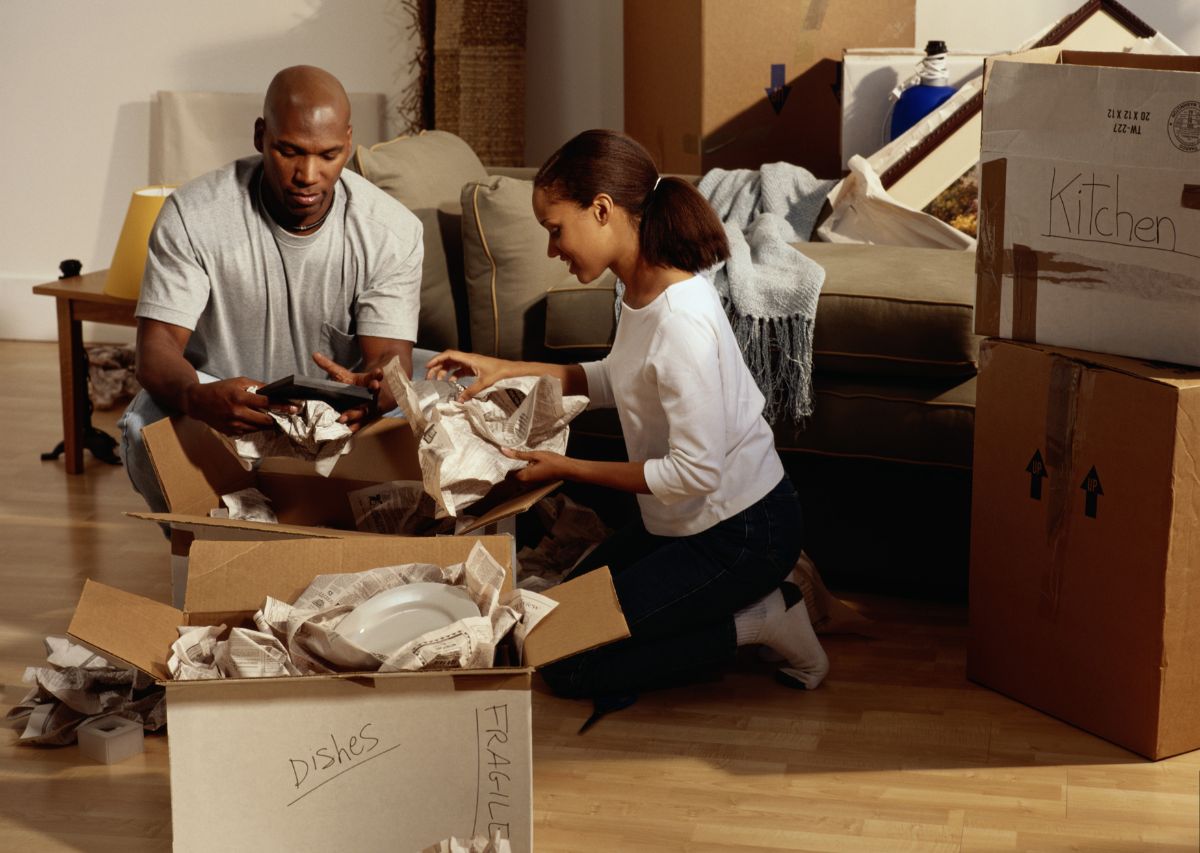
When unpacking fragile items, take your time and avoid rushing. Use padded surfaces to prevent damage. If you are handling specialty items and fragile belongings such as artwork, antiques, or large mirrors, extra care and proper handling are essential.
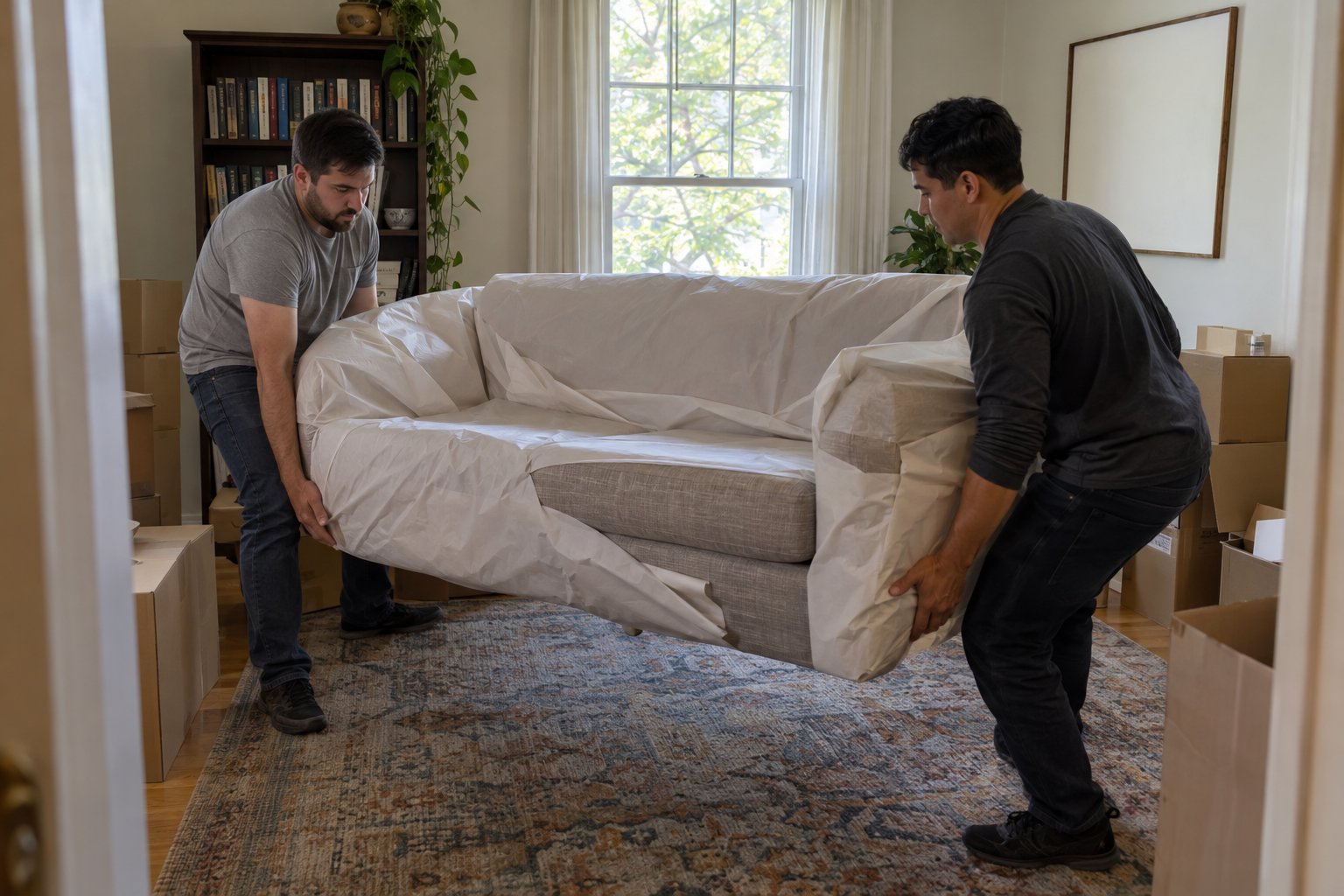
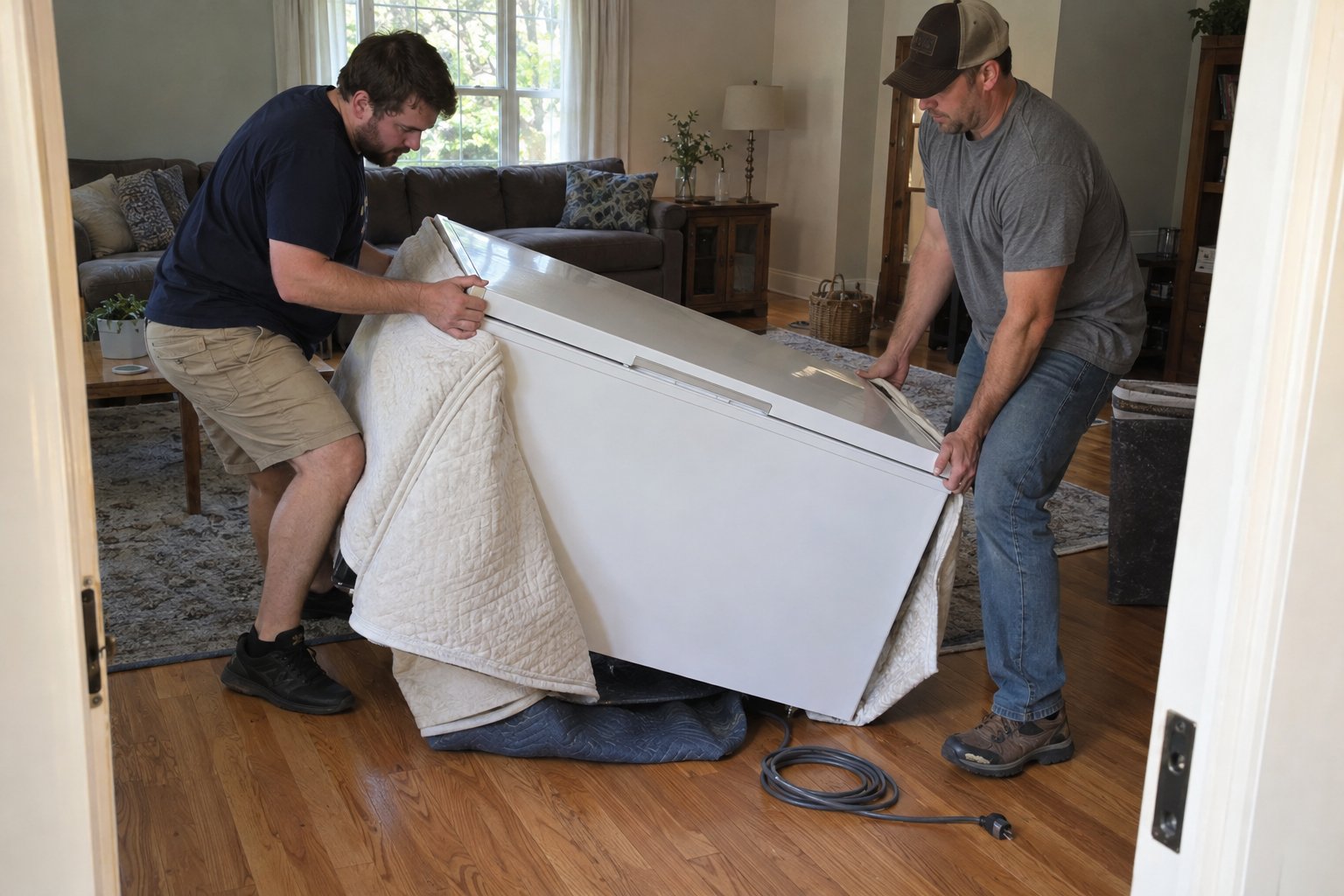
For heavy furniture, decide on the final placement before lifting to avoid unnecessary movement. Keep hardware and manuals labeled, and take photos during disassembly to simplify reassembly.
Create a Comfortable Living Space
When major areas are done, focus on making your new place feel like home. Add:
- Rugs and curtains
- Wall art
- Personal decor
- Plants or lighting accents
- Cozy seating
These finishing touches help you settle in emotionally after a big move.
Keep Pathways Clear and Take Breaks
Unpacking can be physically demanding. Take short breaks, stay hydrated, stretch, and keep walkways clear of boxes. This improves safety and helps you stay motivated throughout the process.
Unpacking Timeline Example
Call in Professional Help If Needed
Sometimes unpacking becomes more challenging than expected. If time is limited or heavy furniture requires assembly, professional movers can assist with organizing, setup, and debris removal. This is especially helpful for offices or business relocations that require efficiency and minimal downtime through commercial moving services.
If you need help moving or want assistance settling into your new space, Men on Mission is here to support you every step of the way. Contact us at menonmissionllc@gmail.com or call 719-357-9048 to get started.
Have Questions About Your Move?
What is the best way to unpack after moving?
Start with an essentials box then unpack room by room beginning with the kitchen and bedrooms. Use labels and sort items as you go to avoid clutter. Prioritizing important areas first makes unpacking easier and helps you settle into your new home faster.
How long should unpacking take after a move?
Unpacking time depends on home size and organization. A small home may take two to three days while larger homes can take a week or more. Planning ahead using checklists and unpacking priorities helps speed up the process and prevents unnecessary delays.
How can I stay organized while unpacking?
Use labeled boxes sort items by category and unpack one room at a time. Keep pathways clear and store unused items immediately. Inventory lists or digital apps can help track belongings and make unpacking easier by keeping your move structured and efficient.
Should I unpack my kitchen first after moving?
Yes the kitchen is often the most practical space to unpack first because it allows you to prepare meals and feel settled quickly. Start with basic tools appliances and pantry items. Having a functional kitchen makes the rest of the unpacking process easier to manage.
How do I know where to place furniture when unpacking?
Create a simple floor plan of your new home and measure your furniture before moving day. Decide on layout and large item placement first to avoid moving heavy pieces multiple times. Planning ahead makes unpacking efficient and helps prevent unnecessary lifting.