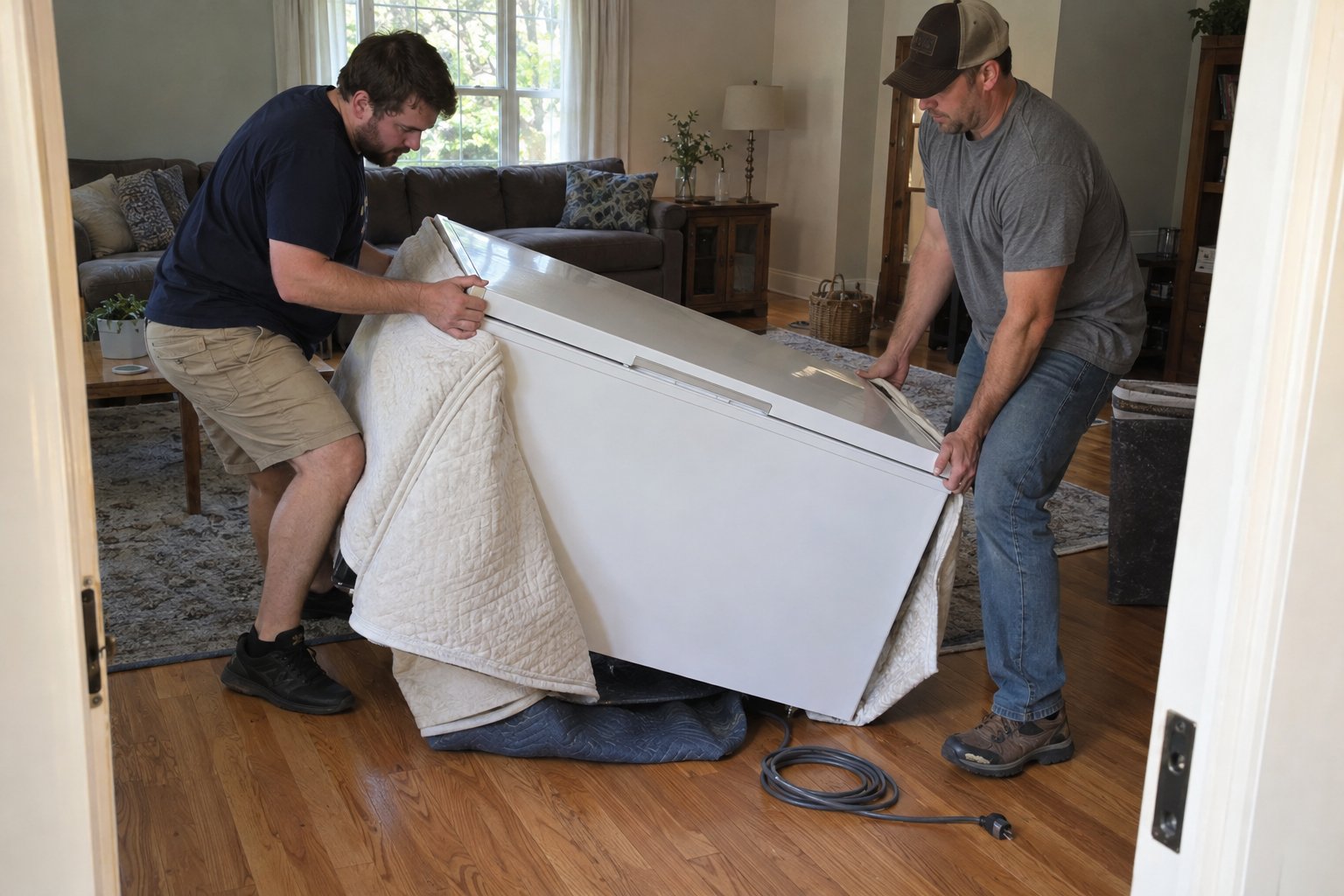
Choosing to move to Minneapolis is an invitation to join a community that celebrates the outdoors, a thriving arts scene, and a robust economic landscape. Known as the "City of Lakes," Minneapolis is the larger half of the Twin Cities metropolitan area. As of 2026, the city population is approximately 430,000, while the greater metro region holds over 3.7 million residents. The city is defined by its pristine chain of lakes, the mighty Mississippi River, and a skyline that balances historic brick industrialism with modern glass towers. It is a place where nature and urban living coexist in a way that feels intentional and grounded.
If you are relocating from the Northeast, working with experienced long-distance movers Colorado Springs can make your transition to the Midwest far easier by ensuring your belongings travel safely across state lines.
The climate is a humid continental type, which means you will experience four distinct and dramatic seasons. Minneapolis is famous for its crisp, snowy winters and its vibrant, lush summers. Its primary "claim to fame" is its world-class park system—consistently ranked the best in the nation—and its role as the birthplace of the legendary musician Prince. Whether you are drawn to the creative energy of Northeast Minneapolis, the sophisticated charm of the North Loop, or the family-oriented quiet of South Minneapolis, the city offers a supportive environment for professional growth and personal well-being. Transitioning to the Upper Midwest requires clear planning to handle the unique seasonal logistics, but the reward is a high quality of life in a city that truly values its neighbors.
Start Your Minneapolis Journey with Men on Mission
If you are ready to move to Minneapolis, you need a team that understands the logistics of the Twin Cities. Men on Mission offers clear, customized moving plans to ensure your property arrives safely at your new front door. We handle the heavy lifting so you can focus on exploring your new home.
[Contact us today for a free moving estimate]
Weather & Climate: Planning Your Minneapolis Arrival
When you move to Minneapolis, your moving schedule will be heavily influenced by the seasonal shifts of the Upper Midwest. Understanding these patterns is essential for a smooth physical transition of your property.
Spring (March – May): Spring is a season of rapid change. While the snow melts, rain is frequent. If you move during this window, ensure your movers use floor runners and plastic wrap to protect your belongings from mud and moisture.
Summer (June – August): This is the most popular time to move. Temperatures are warm and occasionally humid, usually hovering in the 80s. Be sure to book your moving date well in advance, as local demand peaks during the school break.
Autumn (September – November): Many consider this the best time for a move to Minneapolis. The air is crisp, the foliage is stunning, and the weather is generally dry, making the physical labor of loading a truck much more comfortable.
Winter (December – February): Moving in winter requires advanced planning for snow removal. While the city is very efficient at plowing, you must ensure your walkways and driveways are salted and clear for the moving crew.
Best Time to Move: Aim for late September or early October. You will avoid the humidity of July and the logistical hurdles of the first snowfall, ensuring a clear path for your arrival.
Cost of Living & Housing: Finding Your Place
A major factor for those who move to Maryland is the city’s relative affordability compared to coastal hubs. Minneapolis offers a high standard of living with a cost profile that remains manageable for families and young professionals.
As of 2026, the median home value in Minneapolis is approximately $335,000. While this is higher than the Minnesota state average, it is significantly lower than the national average for major metropolitan areas. For those looking to rent, a two-bedroom apartment in a desirable neighborhood typically costs around $1,750 per month. The housing stock is incredibly diverse, ranging from historic 1920s bungalows in the Kingfield neighborhood to modern luxury lofts in the Mill District.
In comparison to the national average, the cost of groceries and utilities in Minneapolis stays relatively close to the baseline. However, residents often find that the "value" of their dollar is higher here due to the exceptional public services, including an advanced library system and high-quality public schools. Taxes in Minnesota are higher than in some neighboring states, but these funds directly support the city's infrastructure and the expansive park system that makes the city so livable. Whether you are buying your first home or looking for a rental near the University, Minneapolis provides a stable real estate market for those looking to invest in their future.
Economy & Job Market: The Twin Cities Powerhouse
If you move to Minneapolis for career opportunities, you are entering one of the most diversified economies in the United States. The Twin Cities region is home to one of the highest concentrations of Fortune 500 companies per capita.
Healthcare and Life Sciences: anchored by the world-renowned Mayo Clinic (nearby in Rochester) and Allina Health, this sector is a massive employer for medical professionals and researchers.
Retail and Consumer Goods: Minneapolis is a retail giant. With Target Corporation headquartered downtown and Best Buy in nearby Richfield, the city is a hub for marketing, logistics, and corporate strategy.
Finance and Professional Services: U.S. Bank and Ameriprise Financial provide thousands of roles in the downtown core, making the city the financial center of the Upper Midwest.
Major Employers: Beyond the big names, UnitedHealth Group, 3M, and General Mills are all based in the metro area.
Commute Trends: The average commute is approximately 23 minutes. While many residents drive, the city’s advanced Skyway system—an 11-mile network of enclosed pedestrian bridges—allows downtown workers to travel between buildings without ever stepping outside into the cold, making a move to Minneapolis practical year-round.
Getting Around: Transport from Point A to Point B
Minneapolis is frequently cited as one of the most bike-friendly cities in America. If you move to Minneapolis, you will find that the transportation infrastructure is designed for year-round reliability.
Public Transit: Metro Transit operates an extensive bus network and the Blue and Green Light Rail lines, which connect downtown to the Mall of America and the University of Minnesota.
Biking: The "Grand Rounds Scenic Byway" and the "Midtown Greenway" offer dedicated, plowed paths for cyclists, allowing for a car-free commute even in the winter months.
Aviation: Minneapolis-St. Paul International Airport (MSP) is a major Delta hub and is consistently ranked as one of the best airports in North America for efficiency and amenities.
Walkability: Neighborhoods like Uptown, the North Loop, and Dinkytown have high walkability scores, allowing you to run daily errands on foot.
Professional Moving Tips: Supportive Advice
A successful move to Minneapolis requires more than just boxes; it requires a strategy for handling the region's specific climate and urban layout.
Downsize Your Inventory: Before you load the truck, donate or sell items you haven't used in a year. Moving property is charged by weight or volume, so a lighter load saves money.
Pack for the Seasons: If moving in summer, keep a box of winter gear accessible. The weather can turn quickly in late autumn. If moving in winter, use plastic bins for any items that might be sitting on snowy pavement during the unload.
Check Parking Rules: Many Minneapolis streets have seasonal parking restrictions for street cleaning or snow emergencies. Contact the city to see if you need a temporary hood for a parking meter to ensure your truck has a spot.
Protect Your Floors: Snow, salt, and mud are common. Use professional-grade floor runners or recycled cardboard to protect the hardwood or carpet in your new home during the moving process.
If you are planning a relocation within New York before making a larger move, hiring professional local movers in Colorado Springs can help streamline packing, loading, and temporary relocations before your interstate journey.
Hire Local Experts: Choose a moving team that is experienced with the Twin Cities layout, including narrow residential streets and downtown loading docks. This localized knowledge ensures a smooth arrival at your new residence.
Ready to Make Your Move to Minneapolis?
Moving to the Twin Cities is an exciting adventure, and Men on Mission is here to help you get started. Whether you need full-service packing or just a specialized team to handle the heavy lifting, we provide the grounded support you need for a smooth transition. We treat your property with the respect it deserves, ensuring a stress-free experience from start to finish.
For residents preparing their move within New York before relocating across the country, you can also explore services available in Colorado Springs movers to coordinate logistics and storage before heading to Minneapolis.
[Call Men on Mission at 719-357-9048 today to get your free, customized moving quote!]
Have Questions About Your Move?

Is Minneapolis a safe place to live?
Minneapolis has many safe, family-friendly neighborhoods. Areas like Southwest, Linden Hills, and Fulton consistently rank high for safety and community engagement.
How do people handle the cold?
Residents use the "layering" method and stay active. The city also features the Skyway system, allowing you to walk miles downtown indoors.
What is "Minnesota Nice"?
It refers to the localized culture of being polite, reserved, and helpful. You will find that neighbors are generally supportive and value a grounded community.
Are the schools good in Minneapolis?
Yes, the region is known for high-quality public and private options, with the University of Minnesota serving as a major educational anchor.
Why is it called the "City of Lakes"?
Minneapolis contains 13 lakes within its borders, providing unmatched access to water-based recreation right in the middle of the city.