Moving to the Beehive State: Your Ultimate Guide
If you have decided to move to Utah, you are heading toward a land of dramatic contrasts, where jagged, snow-dusted peaks overlook deep red rock canyons. Utah is currently home to roughly 3.4 million people, making it one of the fastest-growing states in the country. The climate is primarily semi-arid or desert, though the high mountain ranges provide a lush alpine escape. You can expect plenty of sunshine throughout the year, paired with very low humidity that makes even the hottest summer days feel a bit more manageable.
Utah’s Natural Wonders
Utah’s claim to fame is undoubtedly its "Greatest Snow on Earth." The unique dry powder found in the Wasatch Range is a magnet for winter sports fans across the globe. Beyond the slopes, the state is famous for its five stunning national parks, collectively known as the "Mighty 5." These parks showcase arches, spires, and narrow slot canyons that look like they belong on another planet.
When you move to Utah, you are joining a community that deeply values outdoor life, family traditions, and a strong sense of industry. Whether you are settling in the bustling tech corridor of the Silicon Slopes or looking for a quiet retreat in the southern desert near St. George, the state offers a high quality of life. The culture is grounded and friendly, with a focus on hard work and recreation. Preparing for the high elevation and the varying terrain is the first step in making your transition a success.
Start Your Journey with Men on Mission
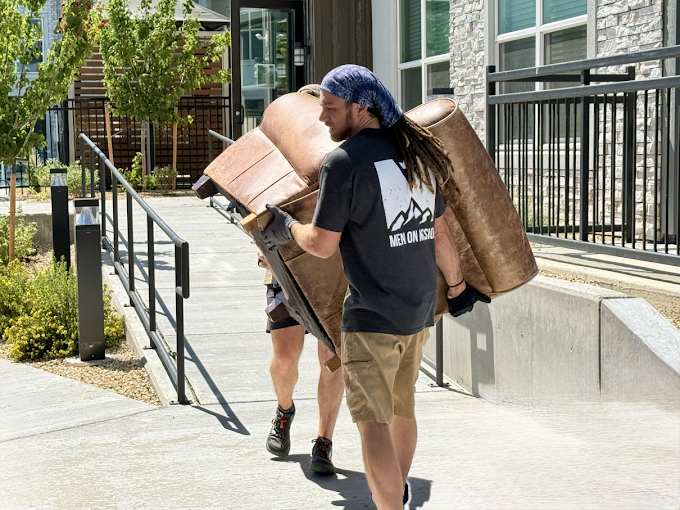
Getting your belongings from your current home to a new state requires more than just a truck; it requires a team you can trust. At Men on Mission, we specialize in long-distance relocation to help people move to Utah with ease. We offer professional packing, heavy lifting, and advanced logistics to ensure your furniture and boxes arrive in perfect condition. Our goal is to provide a smooth, customized experience so you can focus on exploring your new neighborhood. Send an email to menonmissionllc@gmail.com to get your relocation started.
Weather and Climate: What to Expect
The weather is a major factor to consider when you move to Utah. Because the state has such varied elevations, the climate can change drastically within a short drive. The northern part of the state, including Salt Lake City, experiences four distinct seasons. Winters are cold and snowy, which is great for skiers but requires careful planning for driving and home maintenance. Summers in the north are hot but dry, with temperatures often reaching the 90s.
In Southern Utah, the climate is much warmer. St. George, for example, rarely sees significant snow and feels more like Arizona. The best time to move to Utah is typically during the late spring (May) or early fall (September and October). During these months, the temperatures are mild across the entire state, and you avoid the risk of mid-winter blizzards in the mountain passes or the intense 100-degree heat of July in the desert. If you must move during the winter, ensure your moving team is experienced in handling icy conditions and steep, snow-covered driveways. Always keep an eye on the "Zion Curtain" of clouds that can bring sudden mountain storms.
Cost of Living and Housing
Before you move to Utah, it is vital to understand the local housing market. Like many popular Western states, Utah has seen a significant rise in home prices over the last few years. The median home value in Utah currently sits around $500,000, which is higher than the national average. However, this varies by region. Salt Lake County and Utah County are the most expensive, while rural areas in the central and eastern parts of the state offer more affordable options.
Renters looking to move to Utah should expect to pay roughly $1,600 to $2,000 for a standard two-bedroom apartment in the metro areas. While housing is a major expense, Utah’s overall cost of living is balanced by a flat state income tax of 4.85% and relatively low utility costs thanks to the state’s energy production. Compared to neighboring states like Colorado or Nevada, Utah’s property taxes are also quite manageable. When you plan your budget to move to Utah, remember to factor in the cost of outdoor gear and state park passes, as these will likely become a regular part of your new lifestyle.
Economy and Job Market
The economy is a primary driver for many who move to Utah. The state consistently ranks as one of the best for business and job growth. The top three employment sectors are Technology (often called Silicon Slopes), Healthcare, and Tourism. The tech sector is particularly booming, with major hubs in Lehi and Provo hosting companies like Adobe, Pluralsight, and Vivint.
Healthcare is another massive employer, led by Intermountain Health and the University of Utah. Tourism and outdoor recreation also provide thousands of jobs, especially in the southern part of the state near the national parks. Major local employers also include Delta Air Lines, which maintains a large hub in Salt Lake City, and various aerospace companies like Northrop Grumman. Commute trends show that while many people drive, the "FrontRunner" commuter rail and "TRAX" light rail systems are popular for those living between Ogden and Provo. The job market is diverse, providing plenty of room for those who move to Utah to find career stability in advanced manufacturing or professional services.
Getting Around in Utah
Navigating the geography after you move to Utah is relatively simple thanks to the state's grid system. Most cities are laid out with a central point (usually a temple or city hall), making it easy to find your way. To simplify the logistics of transport, many residents utilize u-box hauling to transport their goods from Point A to Point B, as the state is vast and mountainous. Interstate 15 is the main artery, running the entire length of the state from north to south.
Walkability scores are high in downtown Salt Lake City and parts of Sugar House, but most suburban areas require a vehicle. For those who move to Utah and need to travel, Salt Lake City International Airport (SLC) is a major global hub that recently underwent a multi-billion dollar advanced renovation. Proximity to major airports is a plus for business travelers. If you are heading into the mountains, having a four-wheel-drive vehicle is highly recommended for the winter months. Public transit is improving, with buses and light rail serving the Wasatch Front, but most residents find that a car is essential for reaching the best outdoor recreation spots.
Things to Do in Utah
Outdoor Recreation at Zion National Park
Hike the famous Angels Landing or wade through the Virgin River in The Narrows. This park offers some of the most iconic outdoor recreation in the world. The towering red cliffs and diverse wildlife make it a must-visit for every person who decides to move to Utah.
Local Landmarks at Temple Square
Located in the heart of Salt Lake City, this historic site features beautiful gardens and impressive architecture. It is one of the most visited local landmarks in the state. Visitors can enjoy free tours and learn about the history of the pioneers who settled this rugged valley.
Family-Friendly Activities at Hogle Zoo
Explore a wide variety of animal exhibits at the mouth of Emigration Canyon. This zoo offers many family-friendly activities, including a splash pad for hot summer days and a train ride. It is a perfect spot for children to learn about conservation and see exotic wildlife up close.
Outdoor Recreation at Park City Mountain Resort
Ski or snowboard on some of the best powder in the world. This resort is a hub for outdoor recreation during the winter and offers mountain biking in the summer. It hosted many events during the 2002 Winter Olympics and remains a top global destination for athletes.
Local Landmarks at Delicate Arch
Visit Arches National Park to see the most famous of all Utah local landmarks. The hike to the arch is moderately difficult but rewards you with a stunning view of the free-standing stone structure. It is the image featured on many Utah license plates and travel guides.
Family-Friendly Activities at Thanksgiving Point
Visit this massive complex in Lehi for museums, gardens, and a farm. It offers many family-friendly activities, including the Museum of Ancient Life and the Ashton Gardens. It is an educational and fun destination that provides a full day of entertainment for parents and children alike.
Outdoor Recreation at Bonneville Salt Flats
Walk out onto the vast, white salt crust that stretches for miles. This unique landscape is perfect for outdoor recreation and photography. It is world-famous for land speed records. The crust feels like walking on another planet and is a truly unforgettable experience for newcomers.
Local Landmarks at the Utah State Capitol
Tour the beautiful dome building that overlooks Salt Lake City. It is one of the most significant local landmarks for state history and politics. The grounds are especially beautiful in the spring when the cherry blossoms are in full bloom, offering a peaceful place for a walk.
Family-Friendly Activities at Loveland Living Planet Aquarium
Explore ocean ecosystems and rainforests in the middle of a desert state. This aquarium provides many family-friendly activities, including shark tunnels and interactive touch pools. It is located in Draper and is a great indoor option for days when the weather is too cold.
Outdoor Recreation at Antelope Island State Park
See free-roaming bison and enjoy views of the Great Salt Lake. The island offers many miles of trails for outdoor recreation, including hiking and mountain biking. It is a quiet escape where you can experience the unique geography and wildlife of the Great Basin region.
Unique Local Experiences
Beyond the famous parks, there are many "hidden gems" to discover after you move to Utah. One such place is the Homestead Crater in Midway, a geothermal spring hidden inside a 55-foot tall limestone dome. You can soak, swim, or even scuba dive in the 95-degree water year-round. For history fans, the Golden Spike National Historical Park marks where the Union and Central Pacific Railroads finally met, changing the country forever.
Within a 100-mile radius of the metro areas, you can also find the Spiral Jetty, a massive earthwork sculpture on the shore of the Great Salt Lake. If you enjoy museums, the Natural History Museum of Utah in Salt Lake City is an architectural marvel built into the side of a mountain, housing incredible dinosaur fossils found within the state. These unique experiences are what make life in the Beehive State so special. Whether it is attending the Sundance Film Festival in the winter or exploring the "Goblin Valley" in the central desert, there is always something new to see. When you move to Utah, you are not just changing your address; you are gaining access to some of the most unique landscapes and cultural events in the western United States.
Professional Moving Tips
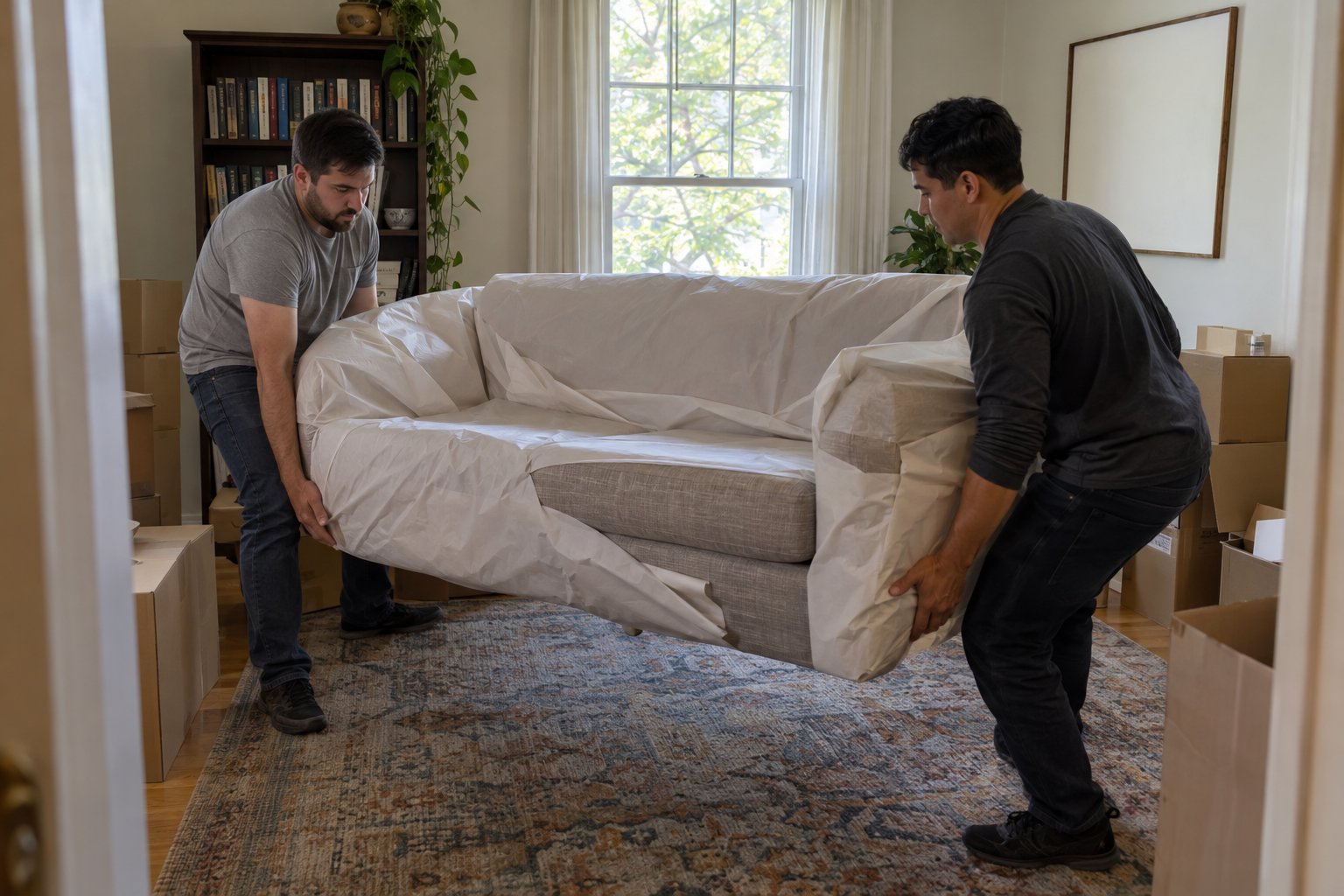
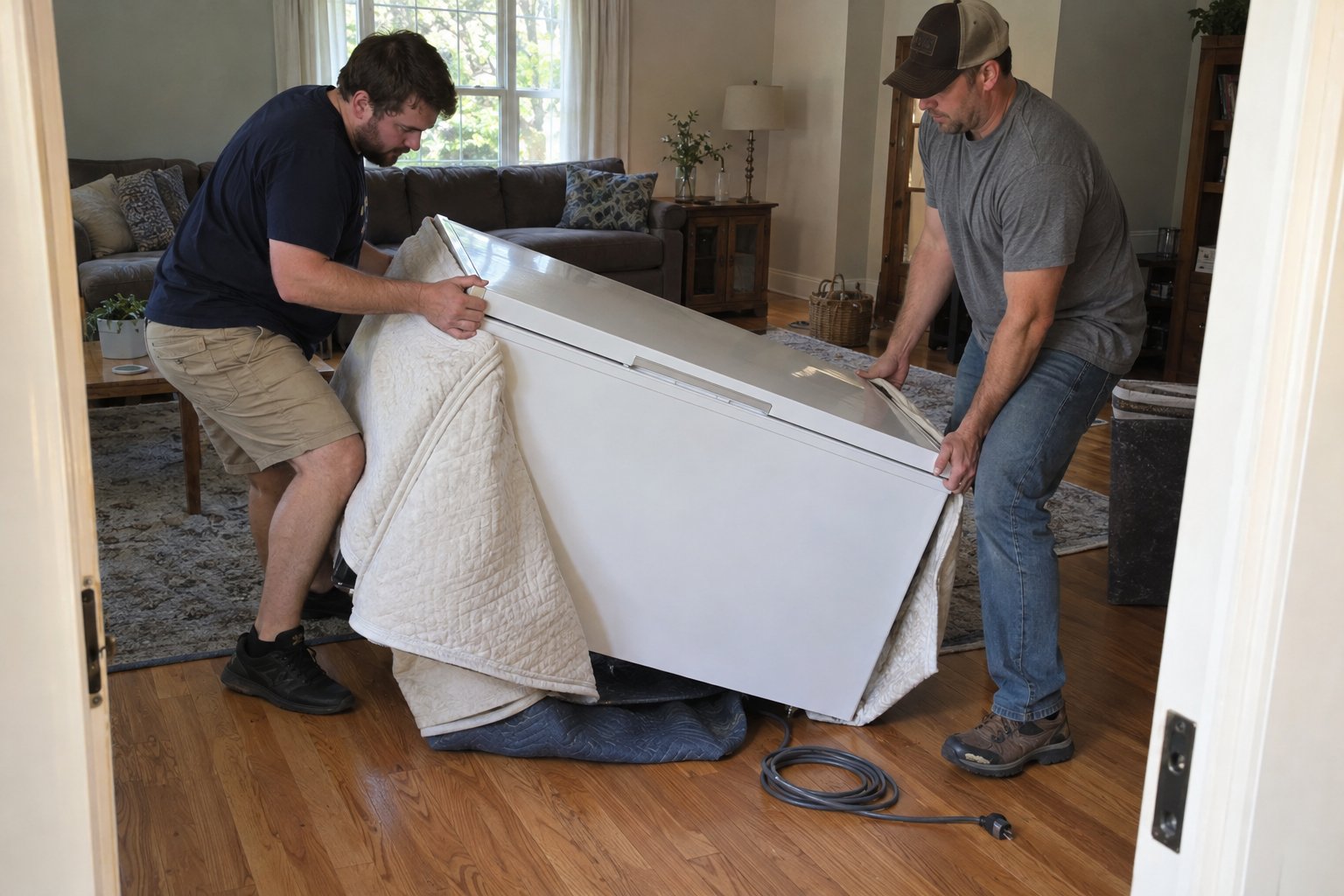
When you plan a move to Utah, preparation is the key to a smooth transition. The high elevation can be a shock to the system, so stay hydrated and take it slow during the physical labor of move-in day. If you are moving from a humid climate, be aware that the dry air in Utah can cause wooden furniture to shrink or crack; consider using furniture wrapping in your new home during the first few months to protect your valuables during transit.
For packing, always label your boxes by room and prioritize your "essentials" box. If you are doing a long-distance move, consider climate-controlled storage for sensitive items like electronics or artwork, as temperature swings in the desert can be extreme. Choosing between local and long-distance moving options depends on your budget and timeline, but hiring professionals is often safer for navigating the steep mountain canyons. Make sure your moving truck has a high-quality braking system if you are traveling through Parleys Canyon or the steep grades of the Cottonwood Canyons. Lastly, don't forget to register your vehicle and update your driver's license within 60 days of your move to Utah to stay compliant with state laws.
Contact Men on Mission for Your Utah Relocation
Ready to make the Beehive State your new home? Let Men on Mission handle the heavy lifting. We understand the unique challenges of a move to Utah and are here to provide advanced support every step of the way. Our team is grounded, hard-working, and dedicated to your peace of mind. Call us today at 719-357-9048 to get a quote and start your journey. We look forward to helping you settle into your new Utah life.
Book a Call
Have Questions About Your Move?
What is the "Silicon Slopes" in Utah?
This is the tech-heavy corridor between Salt Lake City and Provo. It is home to hundreds of advanced technology companies and provides many jobs for those who move to Utah.
Does Utah have a state income tax?
Yes, Utah has a flat state income tax rate of 4.85%. This makes financial planning a bit simpler for new residents compared to states with complex tax brackets.
What is the best time of year to move to Utah?
Late spring and early fall offer the mildest temperatures. This avoids the intense summer heat in the south and the heavy winter snow in the north.
Are there many public transit options in Utah?
Along the Wasatch Front, the UTA system provides buses, light rail (TRAX), and commuter rail (FrontRunner). However, a car is usually needed for reaching the rural areas.
How do I get a Utah driver's license?
You must visit a Driver License Division office with proof of identity and residency. New residents should complete this within 60 days of their move to Utah.