If you are wondering how to dispose of a mattress, you are not alone. Old or damaged mattresses take up space, are heavy to move, and cannot always go out with regular trash. Knowing your options helps you stay safe, legal, and environmentally responsible. If lifting and transporting a bulky mattress feels overwhelming, working with professional loading and unloading services can make the process much easier and safer from the start.
Start With Local Rules Before Moving Your Mattress
Before you drag a mattress to the curb, check local regulations. Many cities have specific rules about how to dispose of a mattress, including where it can go, when it can be picked up, and whether it needs to be wrapped or specially labeled.
Ignoring these guidelines can lead to fines or rejected pickups. A quick check with local waste or bulk collection services makes sure you do not waste time hauling a mattress to a spot where it will not be accepted or left behind on the street.
When It Is Time To Dispose Of A Mattress
Mattresses do not last forever, and there are clear signs when it is time to let one go. Visible sagging, broken springs, deep impressions, or ongoing discomfort often indicate that a mattress is no longer supporting your body properly and should be replaced.
Other reasons to dispose of a mattress include severe staining, odors, or pest issues that cannot be safely resolved. If your mattress is affecting sleep quality, causing aches, or worsening allergies, learning how to dispose of a mattress becomes an important step in improving your rest.
Bulk Trash Pickup And Curbside Options
One of the most common ways to dispose of a mattress is through bulk trash pickup. Many municipalities offer scheduled large item collection where you can place an old mattress at the curb on an assigned day, sometimes with specific preparation requirements.
These programs usually limit how many items you can put out and may only run on certain dates. Always verify whether mattresses are accepted and whether you must wrap them in plastic or tape them securely, particularly if there are concerns about pests or contamination.
Drop-Off Facilities And Transfer Stations
Some areas allow you to dispose of a mattress by taking it directly to a landfill, transfer station, or designated drop-off location. This option can be useful if you have a suitable vehicle and want to get it done on your own schedule.
There may be a fee to drop off bulky items, and you might be required to separate mattresses from other household waste. Calling ahead to confirm hours, accepted materials, and pricing ensures you arrive prepared and do not need to make multiple unnecessary trips.
Safe Handling And Preparation Before Disposal
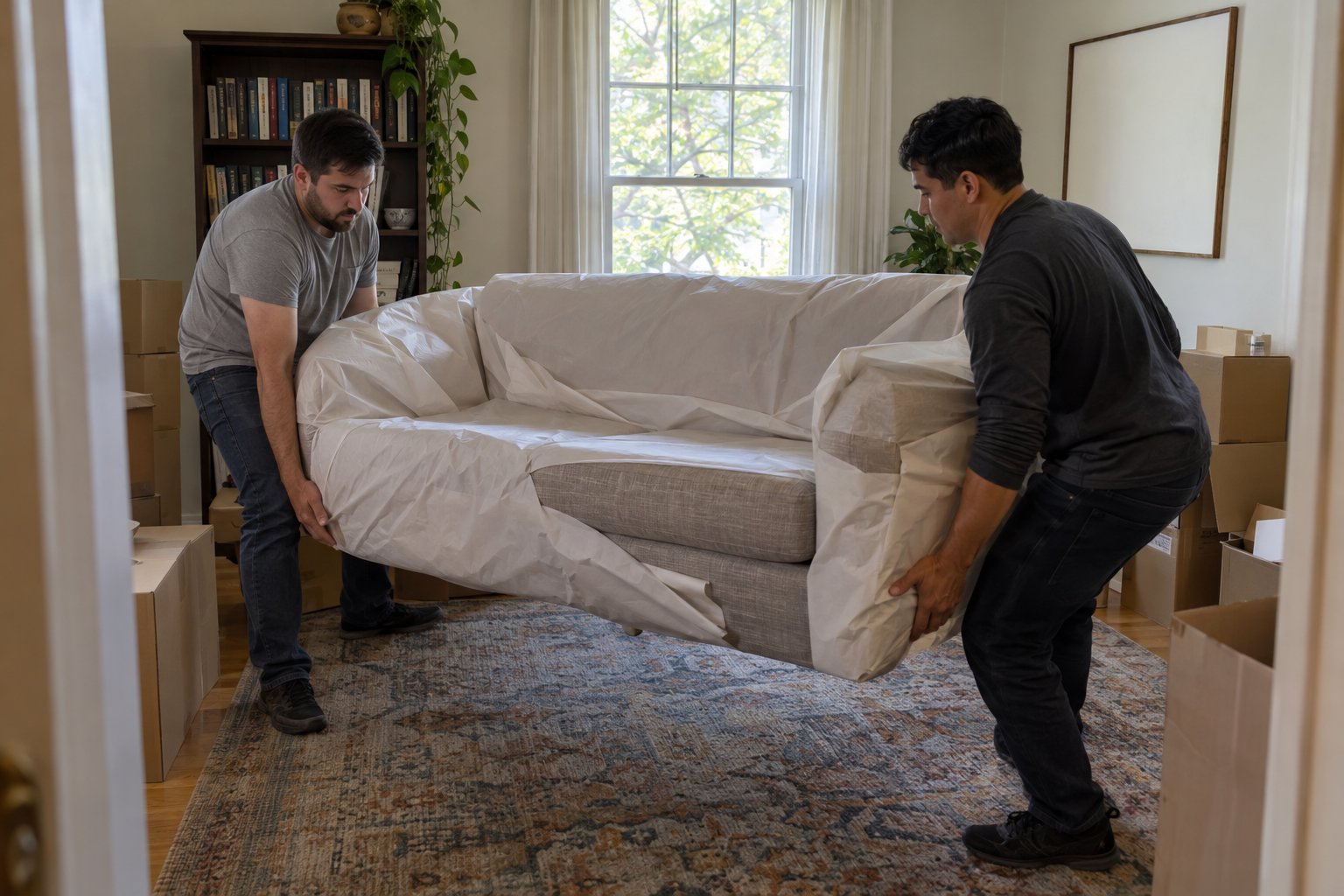
Mattresses are bulky, and moving them improperly can lead to injury. When deciding how to dispose of a mattress, always plan for safe lifting, clear pathways, and enough help to avoid strain, falls, or damage to walls and door frames as you maneuver the mattress.
Consider using mattress bags or covers to contain dust, allergens, and any potential pests. These covers can also help prevent the mattress from tearing or leaving debris behind as it is moved through hallways, stairways, and elevators on the way out.
Environmentally Mindful Ways To Dispose Of A Mattress
Learning how to dispose of a mattress responsibly often means thinking about the environment. Mattresses are big and take up space in landfills, so it is helpful whenever possible to explore options that reduce waste or divert materials from being simply thrown away.
Some regions encourage separating metal springs, foam, and textiles so they can be processed differently. When responsible options are available, choosing them helps lessen environmental impact and supports more sustainable handling of large household items.
Can Your Mattress Be Reused Or Donated?
Not every mattress is suitable for disposal right away. If your mattress is still in good condition, clean, and free of infestations, there may be options to pass it along for reuse. This can extend its life and delay the need to place it in the waste stream.
However, strict health and safety considerations apply. If you are unsure how to dispose of a mattress that has stains, structural damage, or pest issues, it is usually safer to treat it as non-donatable waste and follow proper disposal or recycling steps instead.
Signs Your Mattress Is Not Safe For Donation
A mattress is not a good candidate for donation if it has rips, heavy staining, strong odors, or visible mold. Any sign of bed bugs or other pests is a clear reason to avoid passing it to someone else, even with honest intentions, because infestations can spread quickly.
If your mattress has severe structural problems like exposed springs, broken edges, or large sags, it may cause discomfort or injury. In those cases, focusing on how to dispose of a mattress safely is more appropriate than trying to find another user.
Disassembling A Mattress Before Disposal
Some people choose to disassemble a mattress themselves to reduce its size or separate materials. With proper tools and precautions, you can cut away the fabric, remove foam, and separate metal springs so that disposal or recycling options become more flexible. If you would rather avoid the hassle or risk of doing this yourself, furniture assembly and disassembly services can help ensure the job is handled safely and efficiently.
If you attempt this, wear gloves and eye protection to avoid sharp edges and debris. Work carefully and keep parts organized as you go. This method is more time consuming but can help you fit pieces into smaller vehicles or specific disposal containers.
How To Dispose Of A Mattress After A Pest Issue
If you are disposing of a mattress due to bed bugs or other pests, extra caution is necessary. Wrap the mattress in a sturdy plastic cover and seal it with tape to prevent insects from spreading as the item is carried out or transported for disposal.
Clearly marking the mattress as infested warns others not to take it or attempt to reuse it. When considering how to dispose of a mattress in this condition, check local guidelines, as some waste services have special instructions or limitations for pest-affected items.
Avoiding Illegal Dumping And Its Consequences
Leaving a mattress in an alley, field, or roadside area may seem like an easy way out, but it is often illegal. Illegal dumping creates environmental problems, attracts pests, and can result in fines or penalties from local authorities or property owners.
Properly learning how to dispose of a mattress means planning ahead instead of abandoning it on someone else’s property. Responsible disposal keeps neighborhoods cleaner, respects public spaces, and reflects well on you as a member of your community.
When Professional Help Makes Mattress Disposal Easier
Handling an old mattress on your own is not always practical. Stairs, narrow hallways, lack of a suitable vehicle, or time constraints can make the process frustrating. In those cases, professional help can simplify how to dispose of a mattress from start to finish.
Experienced crews know how to maneuver large items without damaging your home. They also understand disposal requirements and can transport mattresses directly to appropriate facilities, saving you multiple trips and guesswork about local rules or fees.
Safety Tips For Moving A Mattress Yourself
If you decide to handle mattress disposal on your own, prioritize safety. Always lift with your legs, not your back, and enlist help for large or heavy pieces. Using lifting straps, hand trucks, or sliders can make movement smoother and reduce strain.
Clear your path ahead of time by moving obstacles, securing pets, and propping open doors when possible. Taking a few minutes to prepare will lower your risk of falls or collisions and help you finish the job more quickly and confidently.
Planning Mattress Disposal During A Move
If you are moving, it often makes sense to decide how to dispose of a mattress before moving day. Transporting a mattress you will replace soon only adds cost and complexity, so removing it ahead of time can streamline your relocation.
Coordinate disposal or pickup before your move date. This gives you time to arrange a replacement at your new home, reduces clutter on moving day, and ensures your moving truck has space for items you truly plan to keep.
Responsible Mattress Disposal With Men on Mission
When figuring out how to dispose of a mattress in a way that is safe, legal, and efficient, you do not have to handle it all alone. Men on Mission is experienced in moving and handling bulky household items, including mattresses that are ready to be taken away. If you are preparing for a move or cleanout, combining mattress removal with professional packing services can make the entire process more organized and stress free.
Our team focuses on careful handling, respect for your home, and clear communication. If you would like help removing an old mattress as part of a move or clean out, you can reach Men on Mission at 719-357-9048 or email menonmissionllc@gmail.com to discuss your situation.
Have Questions About Your Move?

Can I just put my old mattress out with regular trash?
In many areas you cannot place a mattress with regular weekly trash because of its size and materials. Most cities handle mattresses through special bulk pickup or drop-off programs. Check local guidelines first so you avoid fines, rejected items, or extra fees for improper disposal.
How do I know when it is time to dispose of a mattress?
It may be time to dispose of a mattress if you notice sagging, lumps, exposed springs, or ongoing discomfort. Mattresses with deep stains, strong odors, or pest issues should also be removed. If your sleep quality suffers, replacing the mattress often improves comfort and overall rest.
Is it safe to donate a used mattress?
It is only safe to donate a mattress that is clean, structurally sound, and clearly free of pests. Items with rips, heavy stains, odors, or bed bugs should never be passed on. Always check local rules and use good judgment to ensure you are not creating a health or comfort problem for someone else.
What precautions should I take when disposing of a mattress with bed bugs?
If you need to dispose of a mattress with bed bugs, seal it in a thick plastic cover and tape the seams securely. Clearly label it as infested so others do not attempt to take or reuse it. Follow local disposal instructions and avoid dragging it uncovered through public or shared areas.
Do I need professional help to dispose of a mattress?
Professional help is not required, but it can be very useful if your mattress is large, your home has tight spaces, or you lack suitable transportation. Experienced movers can remove the mattress safely, protect your walls and floors, and deliver it to the proper facility, saving you time and physical effort.