If you have decided to move to virginia, you are heading toward a state that perfectly balances deep historical roots with a fast-paced modern economy. Virginia is currently home to roughly 8.7 million people, making it one of the most populated and diverse states on the East Coast. The climate is primarily humid subtropical, offering residents four distinct seasons that showcase the natural beauty of the Atlantic coastline and the Blue Ridge Mountains. You can expect warm, lush summers and crisp, manageable winters that rarely see the extreme snow found further north.
Virginia’s claim to fame is its title as the "Mother of Presidents," having been the birthplace of eight U.S. presidents, including George Washington and Thomas Jefferson. Beyond its political heritage, the state is famous for its diverse geography, spanning from the sandy beaches of Virginia Beach to the scenic Skyline Drive.
When you move to virginia, you join a community that values education, outdoor life, and a strong sense of tradition. Whether you are settling in the high-energy tech hubs of Northern Virginia, the historic streets of Richmond, or the relaxed coastal plains of the Tidewater region, the state offers a high quality of life. The culture is grounded and welcoming, blending Southern hospitality with Mid-Atlantic industry. If you are coming from out of state, planning your long-distance relocation properly is the first step in making your transition a success.
Start Your Journey with Men on Mission
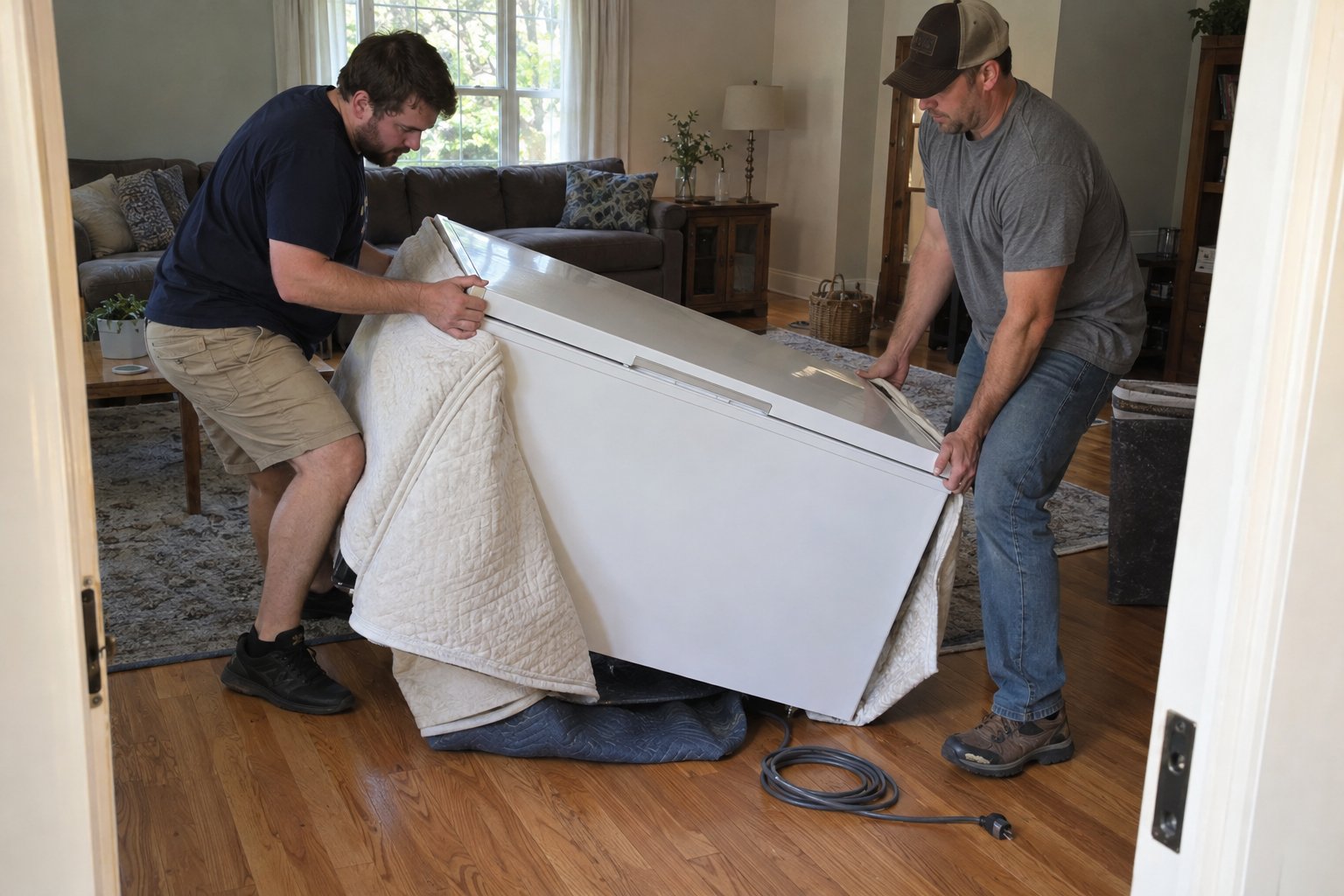
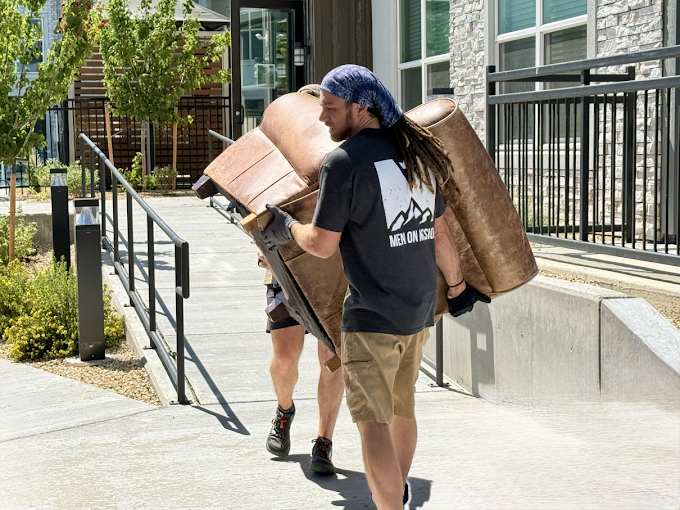
Getting your belongings from your current home to a new state requires more than just a truck; it requires a team you can trust. At Men on Mission, we specialize in helping people move to virginia with ease. We offer professional packing, heavy lifting, and advanced logistics to ensure your furniture and boxes arrive in perfect condition. Our goal is to provide a smooth, customized experience so you can focus on exploring your new neighborhood. Send an email to menonmissionllc@gmail.com to get your relocation started.
Call Now
Weather and Climate: What to Expect
The weather is a major factor to consider when you move to virginia. Because the state stretches from the ocean to the mountains, the climate varies by region. The Tidewater and coastal areas experience milder winters but can be quite humid and hot during the summer months. Central Virginia, including Richmond, sees a fair balance of all seasons, with beautiful spring blooms and vibrant fall foliage.
In the western mountains, the climate is much cooler. Elevation changes mean snow is more common in the Blue Ridge and Allegheny ranges. The best time to move to virginia is typically during the mid-spring (April and May) or early fall (September and October). During these months, the temperatures are mild across the entire state, and you avoid the risk of summer heatwaves or the occasional winter ice storm. If you must move during the summer, ensure your moving team is prepared for high humidity and frequent afternoon thunderstorms. Always keep an eye on the Atlantic hurricane season, which can bring heavy rain to the coastal regions in late summer.
Cost of Living and Housing
Before you move to virginia, it is vital to understand the local housing market. Virginia offers a wide range of pricing depending on proximity to major cities. The median home value in Virginia currently sits around $400,000, which is slightly higher than the national average. However, Northern Virginia (NOVA) has some of the highest real estate prices in the country due to its proximity to Washington, D.C. In contrast, Southern and Southwest Virginia offer much more affordable options.
Renters looking to move to virginia should expect to pay roughly $1,800 to $2,400 for a standard two-bedroom apartment in the metro areas like Arlington or Alexandria, while Richmond and Roanoke offer significantly lower rates. For those looking for flexible storage and transit options during this transition, U-Box hauling can be a cost-effective way to manage your inventory. While housing is a major expense, Virginia’s overall cost of living is balanced by a diverse economy and high median household incomes. The state has a progressive income tax ranging from 2% to 5.75%. When you plan your budget to move to virginia, remember to factor in personal property taxes on vehicles, which is a unique aspect of Virginia’s local tax system.
Economy and Job Market
The economy is a primary driver for many who move to virginia. The state consistently ranks as a top place for business. The top three employment sectors are Professional and Technical Services, Government/Defense, and Healthcare. Northern Virginia is a global hub for data centers and defense contracting, hosting giants like Amazon (HQ2), Boeing, and General Dynamics.
The public sector is a massive employer, led by various federal agencies and the military. Norfolk is home to the world's largest naval base, providing thousands of jobs in the Hampton Roads area. Agriculture and tourism also provide significant employment, especially in the Shenandoah Valley and coastal regions. Major local employers also include Capital One and various high-ranking universities. The job market is stable and diverse, providing plenty of room for those who move to virginia to find career stability in cybersecurity, logistics, or healthcare administration.
Getting Around in Virginia
Navigating the roads after you move to virginia requires a bit of patience, especially in the more populated corridors. The primary mode of transport from Point A to Point B is by car, though the state has made major investments in rail. Interstate 95 is the main north-south artery, while I-64 connects the mountains to the sea. Traffic in Northern Virginia and the Hampton Roads tunnels is famously heavy during rush hour.
Walkability scores are high in "Old Town" Alexandria, downtown Richmond, and parts of Charlottesville, but most suburban areas require a vehicle. For those who move to virginia and need to travel, Dulles International (IAD) and Reagan National (DCA) are major global hubs. Proximity to major airports is a plus for business travelers. Public transit is robust in the north with the Metrorail system extending into Virginia suburbs. If you are heading into the rural west, a reliable vehicle is essential for reaching the best outdoor recreation spots.
Things to Do in Virginia
Outdoor Recreation at Shenandoah National Park
Hike the famous Old Rag Mountain or drive the scenic Skyline Drive for incredible views. This park offers some of the most iconic outdoor recreation on the East Coast. The lush forests and diverse wildlife make it a must-visit for every person who decides to move to virginia.
Local Landmarks at Colonial Williamsburg
Step back in time at this living history museum that recreates 18th-century life. It is one of the most visited local landmarks in the country. Visitors can interact with costumed interpreters and learn about the pioneers and patriots who shaped the American identity.
Family-Friendly Activities at Busch Gardens
Explore this European-themed amusement park in Williamsburg, often voted the most beautiful in the world. It offers many family-friendly activities, including world-class roller coasters and animal encounters. It is a perfect spot for children to enjoy thrilling rides and live stage performances.
Outdoor Recreation at Virginia Beach
Relax on the sandy shores or walk the famous three-mile boardwalk. This coastal city is a hub for outdoor recreation during the summer and offers dolphin-watching tours. It provides a classic beach experience that remains a top global destination for travelers and new residents.
Local Landmarks at Mount Vernon
Visit the historic estate of George Washington overlooking the Potomac River. It is a premier site among Virginia local landmarks. The mansion and gardens are beautifully preserved, offering a somber and educational look into the life of the nation's first president and his family.
Family-Friendly Activities at the Science Museum of Virginia
Located in Richmond, this museum features hands-on exhibits and a massive dome theater. It offers many family-friendly activities that make learning about space and biology fun. It is an educational destination that provides a full day of entertainment for parents and children alike.
Outdoor Recreation on the Virginia Creeper Trail
Bike or walk this 34-mile rail-to-trail path that winds through the beautiful Southwest Virginia mountains. This unique landscape is perfect for outdoor recreation and bird watching. The trail is mostly downhill from Whitetop Station, offering a truly unforgettable and accessible experience for newcomers.
Local Landmarks at Monticello
Tour the architectural masterpiece of Thomas Jefferson in Charlottesville. It is one of the most significant local landmarks for American intellectual history. The plantation grounds and the house reveal the complex legacy of the third president, offering a peaceful place for historical reflection.
Family-Friendly Activities at the Steven F. Udvar-Hazy Center
Explore massive hangers filled with aviation icons, including the Space Shuttle Discovery. This Smithsonian facility provides many family-friendly activities, including flight simulators. It is located near Dulles Airport and is a great indoor option for days when the weather is too hot.
Outdoor Recreation at Luray Caverns
Walk through the largest caverns in the eastern United States to see stunning rock formations. The underground paths offer unique outdoor recreation that stays cool year-round. It is a quiet escape where you can experience the unique geology and "Stalacpipe Organ" of the Shenandoah Valley.
Unique Local Experiences
Beyond the famous parks, there are many "hidden gems" to discover after you move to virginia. One such place is Tangier Island, accessible only by boat, where residents still speak with a unique dialect reminiscent of 17th-century British settlers. For history fans, the Wolf Trap National Park for the Performing Arts offers incredible outdoor concerts in a stunning natural wood architecture setting.
Within a 100-mile radius of the Richmond area, you can also find the "Hollywood Cemetery," the final resting place of two U.S. presidents, offering hauntingly beautiful views of the James River. If you enjoy museums, the Virginia Museum of Fine Arts in Richmond is a world-class institution with a massive collection of Fabergé eggs. These unique experiences are what make life in the Old Dominion so special. Whether it is attending the Chincoteague Pony Swim in the summer or exploring the "High Bridge" over the Appomattox River, there is always something new to see. When you move to virginia, you are not just changing your address; you are gaining access to some of the most unique landscapes and cultural events in the country.
Professional Moving Tips
When you plan a move to virginia, preparation is the key to a smooth transition. The humidity can be a shock to the system if you are moving from a dry climate, so ensure your delicate wooden furniture is properly conditioned with professional furniture wrapping. If you are moving to a historic area, be aware that narrow streets and tight doorways are common; consider a smaller truck or specialized equipment for these locations.
For packing, always label your boxes by room and prioritize your "essentials" box. If you are doing a long-distance move, consider climate-controlled storage for sensitive items like electronics or artwork, as summer temperature swings can be significant. Choosing between local and long-distance moving options depends on your budget and timeline, but hiring professionals is often safer for navigating the heavy traffic of I-95. Make sure your moving truck is properly insured and that you have all necessary permits if moving into a managed building in NOVA. Lastly, don't forget to register your vehicle and update your driver's license within 60 days of your move to virginia to stay compliant with state laws.
Contact Men on Mission for Your Virginia Relocation
Ready to make the Old Dominion your new home? Let Men on Mission handle the heavy lifting. We understand the unique challenges of a move to virginia and are here to provide advanced support every step of the way. Our team is grounded, hard-working, and dedicated to your peace of mind. Call us today at 719-357-9048 to get a quote and start your journey. We look forward to helping you settle into your new Virginia life.
Get Free Quote
Have Questions About Your Move?
What is the "Mother of Presidents"?
This is a nickname for Virginia because it is the birthplace of eight U.S. presidents. It highlights the state's deep political history for those who move to Virginia.
Does Virginia have a state income tax?
Yes, Virginia has a progressive income tax that ranges from 2% to 5.75%. This is a key financial detail to consider for your budget.
What is the best time of year to move to Virginia?
Mid-spring and early fall offer the mildest temperatures. This avoids the intense summer humidity and the occasional winter ice storms found in the mountains.
Are there many public transit options in Virginia?
Northern Virginia is well-served by the D.C. Metrorail and VRE. Richmond and Norfolk have bus systems and light rail, but a car is usually needed elsewhere.
How do I get a Virginia driver's license?
You must visit a DMV office with proof of identity and residency. New residents should complete this within 60 days of their move to Virginia.