Moving with elderly parents works best when you slow the timeline down, involve them in every decision, and separate the physical labor of the move from the emotional weight of leaving a long-time home. Rushing either piece is where most families run into trouble. This guide covers how to plan the move around their pace, not yours, and where professional help can take the physical risk off your family's shoulders.
A move involving a parent or older relative is rarely just a logistics problem. It often follows a health event, a spouse's passing, or a slow realization that the house has become too much to manage alone. The boxes and the truck are the easy part. The harder part is pacing a transition that someone else did not necessarily choose for themselves, and doing it in a way that keeps them safe and keeps their dignity intact.
How Early Should You Start Planning a Move for an Elderly Parent?
Start the conversation at least two to three months before any target date, longer if the move involves selling a house or qualifying for a senior community. Elderly parents typically need more time to process the decision emotionally than they need to physically pack, so the lead time exists for them, not for the movers.
Resist the instinct to move fast once the decision is made. A parent who feels rushed out of a home they have lived in for decades is more likely to resist, stall, or make snap decisions about belongings they will regret later. Build the calendar backward from the move date with deliberate pauses for them to sort through rooms at a comfortable pace, ideally in short sessions rather than marathon purge days that leave an older person exhausted and discouraged.
Involve Them in the Decisions, Not Just the Labor
Let your parent choose what comes with them, especially for sentimental items, even if it means negotiating on furniture that will not fit the new space. A move someone did not feel consulted on tends to generate more resentment and resistance than a move that simply takes longer because they needed to say goodbye to things on their own terms.
What's the Safest Way to Downsize an Elderly Parent's Belongings?
Downsizing safely means separating "what fits in the new space" from "what matters to them," and working through categories, not rooms, so the hardest decisions come later rather than first. Start with duplicates, expired items, and anything already in storage and untouched for years. Save sentimental items, family photos, and heirlooms for a calmer session, ideally with other family members present to help with memories and decisions.
If your parent is moving into a smaller home or a senior living community, get the exact floor plan and room dimensions before deciding what furniture to keep. It is far easier to let go of a piece on paper, weeks ahead of time, than to discover on moving day that the dresser will not fit through the new doorway.
Watch for Signs of Decision Fatigue
Older adults sorting through a lifetime of belongings can hit a wall faster than younger movers expect. If a parent starts agreeing to discard things just to end the conversation, stop for the day. Decisions made under fatigue are often reversed later, which creates more conflict than the time saved was worth.
How Do You Handle Medications, Mobility Aids, and Medical Equipment During the Move?
Medications, mobility aids, and any medical equipment should travel with your parent directly, never on the moving truck. Pack a dedicated bag with a full medication list, prescriptions in original bottles, a few days' supply, and any equipment they use daily, such as a walker, cane, hearing aids, or glasses, and keep it within arm's reach throughout the move.
If your parent uses oxygen equipment, a wheelchair, or any device that requires setup, confirm with their provider that it will be functional and in place in the new home before they arrive there, not after. Arriving to find a mobility aid still packed in a box is more than an inconvenience for someone who depends on it to move around safely.
Update Medical Providers Ahead of the Move
If the move crosses a city or region, start transferring prescriptions and locating new providers before move day rather than after. Pharmacies in particular can take longer than expected to transfer records, and running out of a regular medication during an already stressful week is avoidable with a little lead time.
What Should Moving Day Look Like for an Elderly Parent?
Moving day should be as uneventful as possible for your parent: a quiet space away from the noise of loading, a clear role if they want one, and a plan that does not require them to lift, carry, or navigate stairs repeatedly. The goal is for them to feel present in their own move without being physically burdened by it.
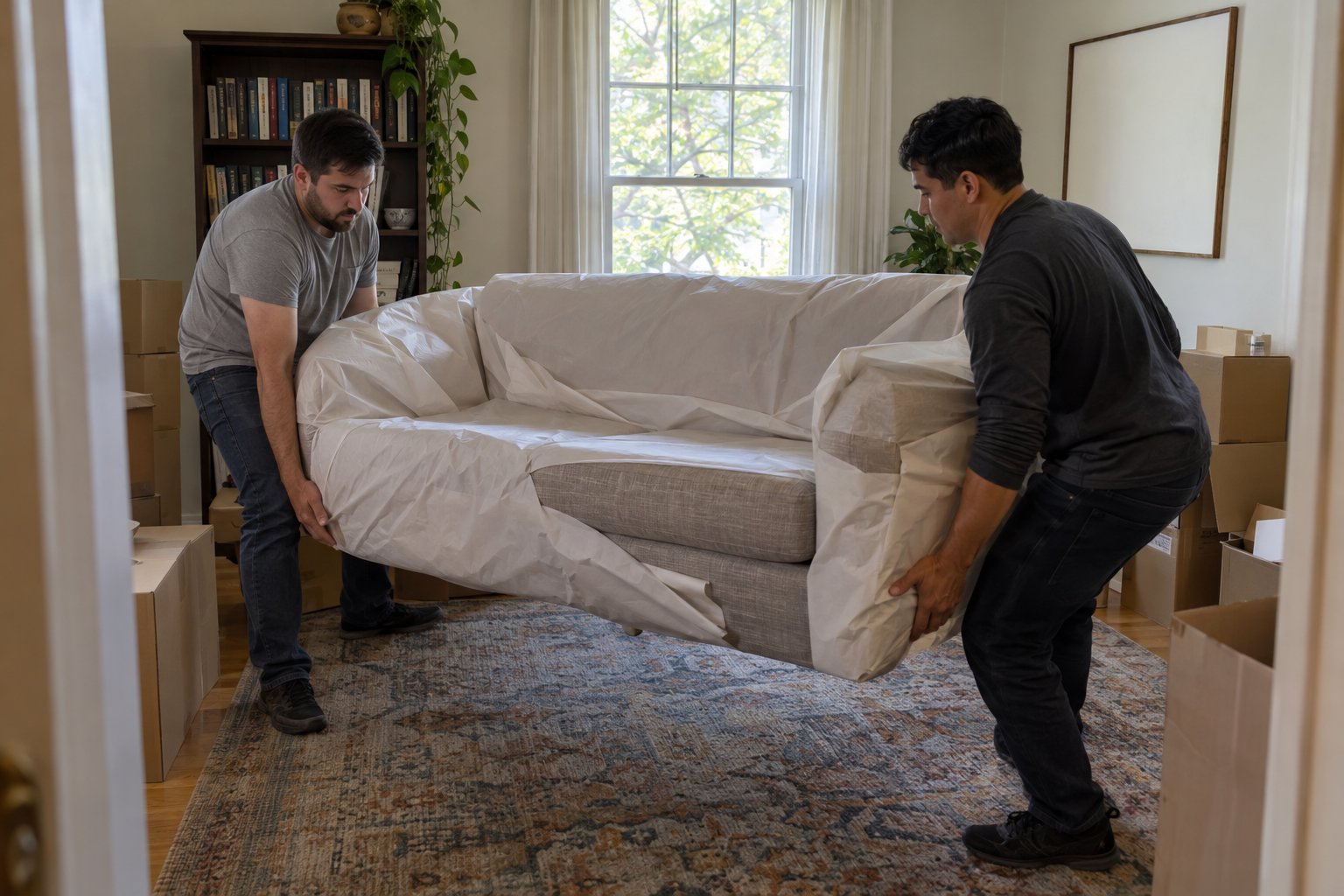
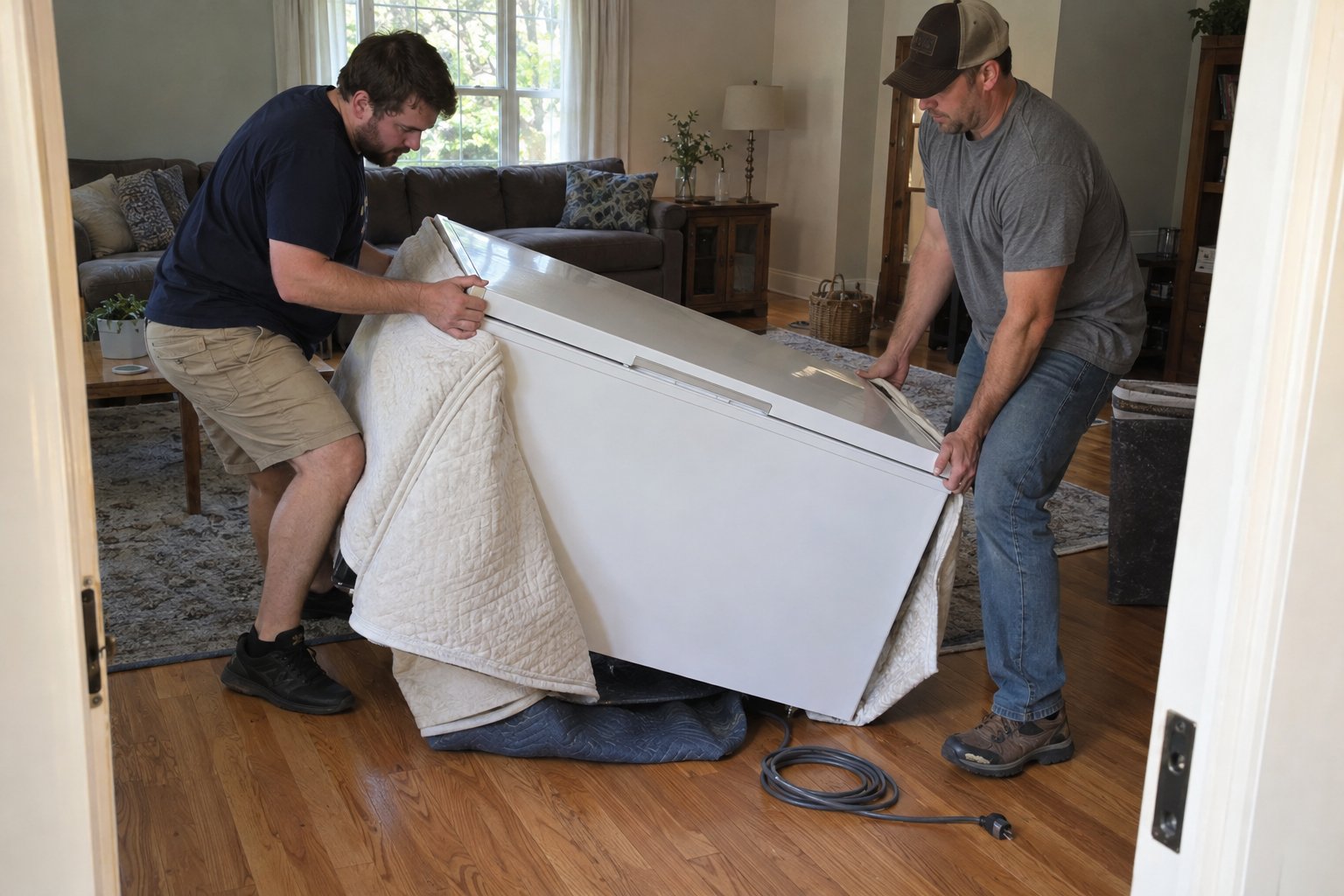
Many families find it easier to have their parent spend the bulk of moving day somewhere calm, like a family member's house or a quiet room in the new place, while the heavier carrying and loading happens around them. Bringing in help for the parts of the day that involve lifting and carrying reduces the physical risk for your parent and for family members who may not be used to moving heavy furniture themselves. Our loading and unloading services cover exactly that part of the day, so family can stay focused on the person instead of the truck.
Protect the Home They're Leaving and the One They're Moving Into
Older homes and senior living entries often have narrower doorways, delicate flooring, or built-ins that are easy to damage during a rushed move. Our furniture wrapping protects both the furniture and the walls and floors of each property, which matters even more when the move involves pieces with sentimental or irreplaceable value.
How Can You Reduce the Emotional Toll of Moving an Aging Parent?
You reduce the emotional toll by naming it directly rather than treating the move as purely logistical, giving your parent control wherever possible, and pacing the process so grief and relief both have room to surface. A move away from a long-time home is a loss even when it is also the right decision, and pretending otherwise tends to backfire.
Keep familiar routines intact as long as you can during the transition: the same mealtimes, the same bedding, a few familiar objects set up in the new home before anything else. Small continuities do more to settle an older adult into a new space than a perfectly organized house does. If other siblings or family members are involved, agree ahead of time on who handles what, so your parent is not caught between conflicting opinions during an already disorienting week.
Our full service moving takes the packing, loading, and transport off your plate for the parts of the move we're equipped to handle, which frees you up to focus on your parent instead of logistics. If you would rather talk through what that looks like for your specific situation before deciding anything, you can get a free moving quote and ask us directly.
Should You Hire Movers or Handle a Parent's Move Yourself?
Hiring professional help for the physical side of a parent's move is usually worth considering, even if your family has always moved itself in the past, because the physical risk of lifting and carrying falls differently on an older household and on the family members helping them. A fall or injury during a DIY move costs far more time and stress than the move itself would have.
If your parent has furniture that needs to come apart before it fits through doorways or down stairs, our furniture assembly and disassembly services handle that without guesswork, and put everything back together correctly once it arrives. This matters more for older furniture, which can be harder to take apart without the original hardware or instructions.
Frequently Asked Questions
How do I convince my elderly parent it's time to move?
Lead with specific concerns rather than general pressure, such as a recent fall, stairs becoming difficult, or isolation from family. Give them time to sit with the idea instead of expecting an immediate decision, and involve them in researching options so the move feels like their choice rather than something being done to them.
What should I pack separately for an elderly parent on moving day?
Pack a dedicated bag with medications, prescriptions, mobility aids, glasses, hearing aids, important documents, and a few days of clothing. This bag should travel with your parent directly rather than on the moving truck, so nothing essential is unavailable during the first hours or days in the new home.
How do you help a parent with dementia or memory issues move homes?
Keep as much of their daily routine and familiar belongings consistent as possible, and set up their new bedroom and common areas to resemble the old layout before they arrive. Moving a parent with memory issues usually goes better with extra lead time and a calm, quiet presence during the actual transition rather than a large group.
Who should be present on moving day for an elderly parent?
A trusted family member or close friend should stay with your parent throughout the day, ideally away from the noise of loading and unloading. This lets them feel supported without being in the middle of the physical work, which is better handled by people experienced in carrying heavy items safely.
What's the biggest mistake families make when moving an elderly parent?
The most common mistake is compressing the timeline too tightly, which forces rushed decisions about belongings and leaves little room for the emotional side of the move. Starting the planning process early and pacing decisions over weeks rather than days prevents most of the stress families report afterward.
Moving with elderly parents works best when you slow the timeline down, involve them in every decision, and separate the physical labor of the move from the emotional weight of leaving a long-time home. Rushing either piece is where most families run into trouble. This guide covers how to plan the move around their pace, not yours, and where professional help can take the physical risk off your family's shoulders.
A move involving a parent or older relative is rarely just a logistics problem. It often follows a health event, a spouse's passing, or a slow realization that the house has become too much to manage alone. The boxes and the truck are the easy part. The harder part is pacing a transition that someone else did not necessarily choose for themselves, and doing it in a way that keeps them safe and keeps their dignity intact.
How Early Should You Start Planning a Move for an Elderly Parent?
Start the conversation at least two to three months before any target date, longer if the move involves selling a house or qualifying for a senior community. Elderly parents typically need more time to process the decision emotionally than they need to physically pack, so the lead time exists for them, not for the movers.
Resist the instinct to move fast once the decision is made. A parent who feels rushed out of a home they have lived in for decades is more likely to resist, stall, or make snap decisions about belongings they will regret later. Build the calendar backward from the move date with deliberate pauses for them to sort through rooms at a comfortable pace, ideally in short sessions rather than marathon purge days that leave an older person exhausted and discouraged.
Involve Them in the Decisions, Not Just the Labor
Let your parent choose what comes with them, especially for sentimental items, even if it means negotiating on furniture that will not fit the new space. A move someone did not feel consulted on tends to generate more resentment and resistance than a move that simply takes longer because they needed to say goodbye to things on their own terms.
What's the Safest Way to Downsize an Elderly Parent's Belongings?
Downsizing safely means separating "what fits in the new space" from "what matters to them," and working through categories, not rooms, so the hardest decisions come later rather than first. Start with duplicates, expired items, and anything already in storage and untouched for years. Save sentimental items, family photos, and heirlooms for a calmer session, ideally with other family members present to help with memories and decisions.
If your parent is moving into a smaller home or a senior living community, get the exact floor plan and room dimensions before deciding what furniture to keep. It is far easier to let go of a piece on paper, weeks ahead of time, than to discover on moving day that the dresser will not fit through the new doorway.
Watch for Signs of Decision Fatigue
Older adults sorting through a lifetime of belongings can hit a wall faster than younger movers expect. If a parent starts agreeing to discard things just to end the conversation, stop for the day. Decisions made under fatigue are often reversed later, which creates more conflict than the time saved was worth.
How Do You Handle Medications, Mobility Aids, and Medical Equipment During the Move?
Medications, mobility aids, and any medical equipment should travel with your parent directly, never on the moving truck. Pack a dedicated bag with a full medication list, prescriptions in original bottles, a few days' supply, and any equipment they use daily, such as a walker, cane, hearing aids, or glasses, and keep it within arm's reach throughout the move.
If your parent uses oxygen equipment, a wheelchair, or any device that requires setup, confirm with their provider that it will be functional and in place in the new home before they arrive there, not after. Arriving to find a mobility aid still packed in a box is more than an inconvenience for someone who depends on it to move around safely.
Update Medical Providers Ahead of the Move
If the move crosses a city or region, start transferring prescriptions and locating new providers before move day rather than after. Pharmacies in particular can take longer than expected to transfer records, and running out of a regular medication during an already stressful week is avoidable with a little lead time.
What Should Moving Day Look Like for an Elderly Parent?
Moving day should be as uneventful as possible for your parent: a quiet space away from the noise of loading, a clear role if they want one, and a plan that does not require them to lift, carry, or navigate stairs repeatedly. The goal is for them to feel present in their own move without being physically burdened by it.
Many families find it easier to have their parent spend the bulk of moving day somewhere calm, like a family member's house or a quiet room in the new place, while the heavier carrying and loading happens around them. Bringing in help for the parts of the day that involve lifting and carrying reduces the physical risk for your parent and for family members who may not be used to moving heavy furniture themselves. Our loading and unloading services cover exactly that part of the day, so family can stay focused on the person instead of the truck.
Protect the Home They're Leaving and the One They're Moving Into
Older homes and senior living entries often have narrower doorways, delicate flooring, or built-ins that are easy to damage during a rushed move. Our furniture wrapping protects both the furniture and the walls and floors of each property, which matters even more when the move involves pieces with sentimental or irreplaceable value.
How Can You Reduce the Emotional Toll of Moving an Aging Parent?
You reduce the emotional toll by naming it directly rather than treating the move as purely logistical, giving your parent control wherever possible, and pacing the process so grief and relief both have room to surface. A move away from a long-time home is a loss even when it is also the right decision, and pretending otherwise tends to backfire.
Keep familiar routines intact as long as you can during the transition: the same mealtimes, the same bedding, a few familiar objects set up in the new home before anything else. Small continuities do more to settle an older adult into a new space than a perfectly organized house does. If other siblings or family members are involved, agree ahead of time on who handles what, so your parent is not caught between conflicting opinions during an already disorienting week.
Our full service moving takes the packing, loading, and transport off your plate for the parts of the move we're equipped to handle, which frees you up to focus on your parent instead of logistics. If you would rather talk through what that looks like for your specific situation before deciding anything, you can get a free moving quote and ask us directly.
Should You Hire Movers or Handle a Parent's Move Yourself?
Hiring professional help for the physical side of a parent's move is usually worth considering, even if your family has always moved itself in the past, because the physical risk of lifting and carrying falls differently on an older household and on the family members helping them. A fall or injury during a DIY move costs far more time and stress than the move itself would have.
If your parent has furniture that needs to come apart before it fits through doorways or down stairs, our furniture assembly and disassembly services handle that without guesswork, and put everything back together correctly once it arrives. This matters more for older furniture, which can be harder to take apart without the original hardware or instructions.
Have Questions About Your Move?

How do I convince my elderly parent it's time to move?
Lead with specific concerns rather than general pressure, such as a recent fall, stairs becoming difficult, or isolation from family. Give them time to sit with the idea instead of expecting an immediate decision, and involve them in researching options so the move feels like their choice rather than something being done to them.
What should I pack separately for an elderly parent on moving day?
Pack a dedicated bag with medications, prescriptions, mobility aids, glasses, hearing aids, important documents, and a few days of clothing. This bag should travel with your parent directly rather than on the moving truck, so nothing essential is unavailable during the first hours or days in the new home.
How do you help a parent with dementia or memory issues move homes?
Keep as much of their daily routine and familiar belongings consistent as possible, and set up their new bedroom and common areas to resemble the old layout before they arrive. Moving a parent with memory issues usually goes better with extra lead time and a calm, quiet presence during the actual transition rather than a large group.
Who should be present on moving day for an elderly parent?
A trusted family member or close friend should stay with your parent throughout the day, ideally away from the noise of loading and unloading. This lets them feel supported without being in the middle of the physical work, which is better handled by people experienced in carrying heavy items safely.
What's the biggest mistake families make when moving an elderly parent?
The most common mistake is compressing the timeline too tightly, which forces rushed decisions about belongings and leaves little room for the emotional side of the move. Starting the planning process early and pacing decisions over weeks rather than days prevents most of the stress families report afterward.